
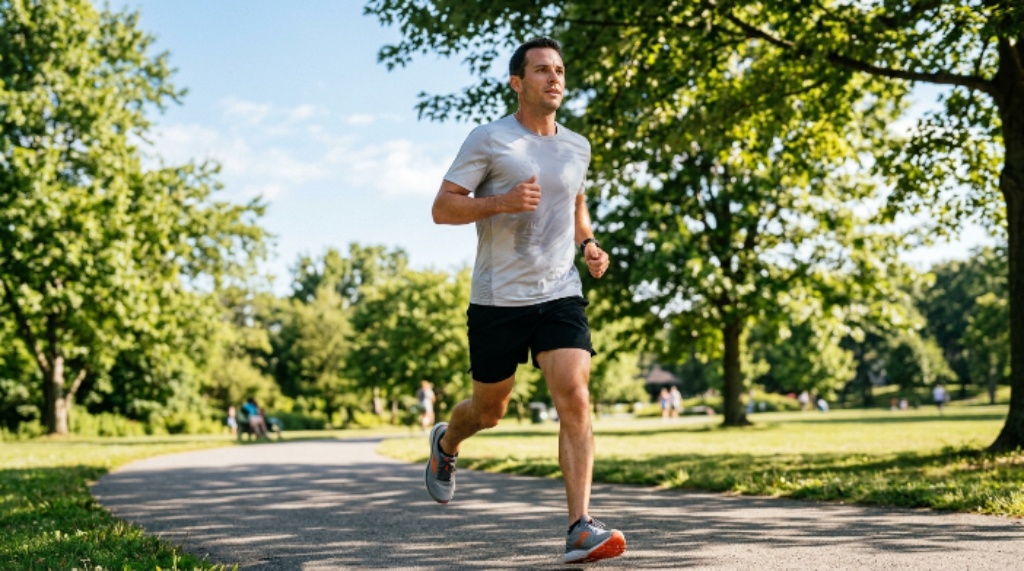
Training in hot weather is a serious challenge. The heat drains your energy faster. It makes every rep feel harder and every mile feel longer. The right workout t-shirt, however, can make a real difference. When your body stays cool and dry, you perform better and feel more comfortable from start to finish.
Finding the right shirt is not just about picking the softest fabric. Several factors determine how well a shirt handles heat. Therefore, knowing what to look for before you shop will save you time, money, and discomfort on the training ground.
This guide covers everything you need to know. From fabric types to fit, from features to care tips, you will leave with a clear picture of exactly what a great hot-weather workout shirt looks like.
Why Your Shirt Choice Matters in Hot Weather
Heat affects your performance in very direct ways. When your core temperature rises too high, your heart works harder. Blood flow shifts away from your muscles to help cool your skin. The result is early fatigue and reduced output.
A breathable workout shirt helps your body manage this heat load more efficiently. It allows air to circulate close to your skin. Additionally, it pulls sweat away from your body so it can evaporate quickly. This evaporation process is how your body naturally cools itself down.
However, a shirt made from the wrong material traps heat and moisture instead. It clings to your body, adds weight as it absorbs sweat, and blocks the airflow you need. Over time, this increases your risk of heat exhaustion and skin irritation.
Therefore, choosing the right shirt is not simply a comfort decision. It is also a health and performance decision.
The Best Fabrics for Hot Weather Workouts
Fabric is the foundation of any good workout shirt. The material determines how the shirt feels, how it breathes, and how long it lasts. Here are the top options to look for.
Polyester
Polyester is the most common choice in athletic wear. It is lightweight, durable, and dries extremely fast. Most performance shirts on the market use polyester as their primary material. It does not absorb water, which means sweat sits on the fabric surface rather than soaking in. This allows it to evaporate much faster.
However, standard polyester can sometimes trap odor if not treated. Look for options with anti-microbial finishes to address this.
Nylon
Nylon is softer than polyester and equally quick-drying. It is also very strong for its weight. Additionally, nylon has a slightly silkier feel against the skin, which many athletes prefer during long sessions. It tends to be slightly more expensive than polyester, but it is worth considering if skin comfort is your top priority.
Bamboo and Modal Blends
These natural-synthetic blends are gaining popularity. Bamboo fabric is naturally breathable, soft, and has some moisture-wicking ability. Modal is similarly soft and breathable. However, they are generally better suited for low-intensity training or warm-up sessions rather than high-sweat activities.
What to Avoid
Cotton is comfortable in everyday life, but it is a poor choice for hot weather training. It absorbs sweat and holds it close to your body. A soaked cotton shirt becomes heavy and uncomfortable very quickly. Therefore, avoid 100% cotton shirts for any form of exercise in warm conditions.
Key Features That Improve Breathability
Beyond fabric, specific design features can greatly improve how a shirt manages heat. When shopping for lightweight gym wear, these are the details that separate a good shirt from a great one.
Mesh Panels
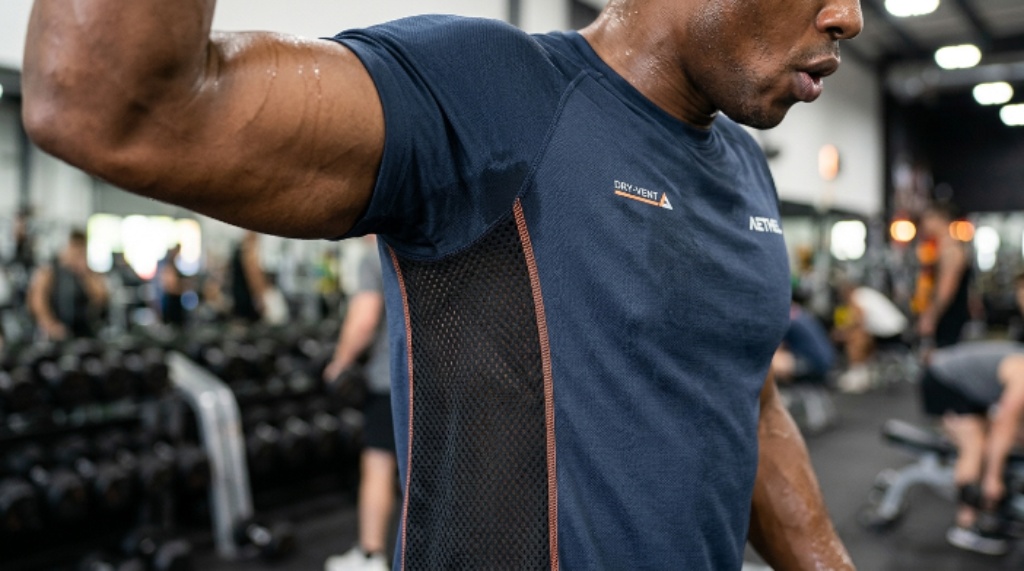
Mesh panels are sections of open-weave fabric placed in high-heat zones. Common locations include the back, underarms, and shoulders. These panels dramatically increase airflow where your body sweats the most. Additionally, they add visual texture to the design without adding weight.
Moisture-Wicking Technology
Moisture-wicking is a treatment or fabric structure that pulls sweat toward the outer surface of the shirt. Once there, it spreads out and evaporates faster. Most performance shirts include this feature. However, it is worth confirming in the product description before you buy.
Flatlock Seams
Flatlock seams lie flat against the skin rather than sitting on top of it. This reduces chafing during repetitive movements. If you run, cycle, or do high-rep gym work, flatlock seams are a feature you will appreciate every session.
Relaxed or Athletic Fit
Fit affects airflow more than many people realize. A shirt that is too tight compresses the fabric against your skin and restricts air movement. A shirt that is too loose may bunch up and cause friction. An athletic fit sits close to the body without restricting movement. This balance allows optimal airflow while maintaining comfort.
How to Shop Smart for Summer Fitness Clothes
Shopping for summer fitness clothes can feel overwhelming given the sheer number of options available. However, a clear framework makes the process straightforward.
Define Your Training Style
Different sports place different demands on your clothing. A runner needs a shirt that handles wind and repeated arm motion. A gym lifter needs freedom of movement around the shoulders. An outdoor cyclist needs UV protection. Therefore, start by thinking about how you actually train before looking at any product.
Set a Realistic Budget
Performance shirts range from under ten dollars to over eighty. Price does not always predict quality. Mid-range shirts from reputable sports brands often outperform both budget options and overpriced designer labels. Look for shirts in the $20 to $45 range for the best combination of quality and value.
Read Reviews from Real Athletes
Product photos rarely tell the full story. Customer reviews, however, reveal how a shirt actually behaves during exercise. Look for mentions of how it holds up after multiple washes, whether the moisture-wicking remains effective over time, and whether the sizing is accurate.
Consider Color
Color plays a small but real role in heat management. Light colors reflect sunlight rather than absorbing it. This can make a noticeable difference during outdoor sessions on bright days. Additionally, lighter colors tend to show sweat patterns less obviously than darker ones.
Top Brands Worth Considering
Several brands have built strong reputations for producing high-quality breathable workout shirts. Here are some names worth exploring:
- Nike Dri-FIT shirts are a benchmark for moisture management and come in a wide range of styles and fits.
- Under Armour HeatGear is specifically engineered for hot conditions and has excellent cooling properties.
- Adidas Aeroready uses recycled polyester with a built-in moisture-absorbing surface.
- Gymshark offers well-fitting athletic shirts at competitive prices, particularly popular in gym environments.
- Hanes Sport provides affordable, functional options for those just starting their fitness journey.
Additionally, many smaller direct-to-consumer brands offer excellent value. Do not overlook them simply because they lack the name recognition of larger companies.
Caring for Your Workout Shirts to Keep Them Performing
Even the best shirt will degrade quickly if you do not care for it properly. Here are some straightforward tips to preserve performance and extend the life of your shirts.
- Wash shirts after every session. Sweat left in the fabric breaks down fibers and encourages bacterial growth.
- Use cold water and a gentle cycle. High heat can damage moisture-wicking treatments and elastic fibers.
- Avoid fabric softeners. They coat the fibers and reduce moisture-wicking effectiveness over time.
- Air dry whenever possible. A tumble dryer’s heat accelerates fabric wear and can cause shrinkage.
- Turn shirts inside out before washing to protect the outer surface and printed details.
Following these simple steps will keep your shirts performing at their best for much longer.
Signs It Is Time to Replace Your Workout Shirt
Even with excellent care, workout shirts have a lifespan. Here are some clear signs that a shirt has passed its useful life.
The fabric starts to feel stiff or rough rather than soft and smooth. This indicates fiber breakdown. Additionally, if the shirt no longer dries quickly after washing, the moisture-wicking properties have likely worn out.
Persistent odor even after washing is another clear sign. Once bacteria embed deeply into fibers, washing alone cannot remove them. Finally, visible stretching, pilling, or fading around high-friction areas signals that the shirt is nearing the end.
However, do not wait until a shirt fails completely during training. Replace it proactively to keep your performance and comfort levels consistent.
Conclusion
Training in hot weather does not have to be miserable. The right workout t-shirt genuinely changes the experience. It keeps you cooler, drier, and more focused on the work rather than the heat.
Start with fabric. Choose polyester or nylon over cotton. Look for moisture-wicking technology, mesh panels, and flatlock seams. Match the shirt to your specific sport and training intensity. Additionally, read real customer reviews and set a sensible budget before you shop.
Choosing the right lightweight gym wear is a small investment with a large return. It protects your performance, keeps you comfortable, and makes every hot-weather session more manageable. Therefore, take the time to choose wisely. Your body will thank you every time you train.
Frequently Asked Questions
1. What is the most breathable fabric for hot weather workouts?
Polyester and nylon are the top choices. Both are lightweight, quick-drying, and non-absorbent. They allow sweat to evaporate quickly, which helps keep your body temperature in check. Many performance shirts combine both materials to take advantage of their complementary properties.
2. Can I wear a regular cotton t-shirt for hot weather training?
It is not recommended. Cotton absorbs sweat and holds it against your body. This makes the shirt heavy and uncomfortable during exercise. It also slows down the cooling process your body relies on. For any form of hot-weather training, synthetic performance fabrics are a much better choice.
3. Do lighter colored shirts really keep you cooler outdoors?
Yes, to a measurable degree. Light colors reflect sunlight rather than absorbing it. This reduces the radiant heat your body takes in from the sun. The difference is most noticeable during outdoor training in direct sunlight. Therefore, white, grey, or pastel-toned shirts are a smart choice for outdoor summer sessions.
4. How often should I replace my workout t-shirts?
This depends on how often you train and how well you care for your shirts. For someone training four to five times per week, shirts typically last six to twelve months before performance declines noticeably. Signs of wear include stiffness, persistent odor, reduced moisture-wicking, and visible fabric degradation.
5. Are expensive workout shirts worth the price?
Not always. Premium brands often charge for brand recognition rather than superior performance. Many mid-range shirts offer the same key features at half the price. However, very cheap shirts sometimes skip essential technologies like moisture-wicking or use lower-grade fabrics. The sweet spot for most people sits in the $20 to $45 range. When shopping for summer fitness clothes, focus on features and fabric rather than price alone.
Related Topics:
Benefits of Cervical Spine Adjustment by a Professional Chiropractor