
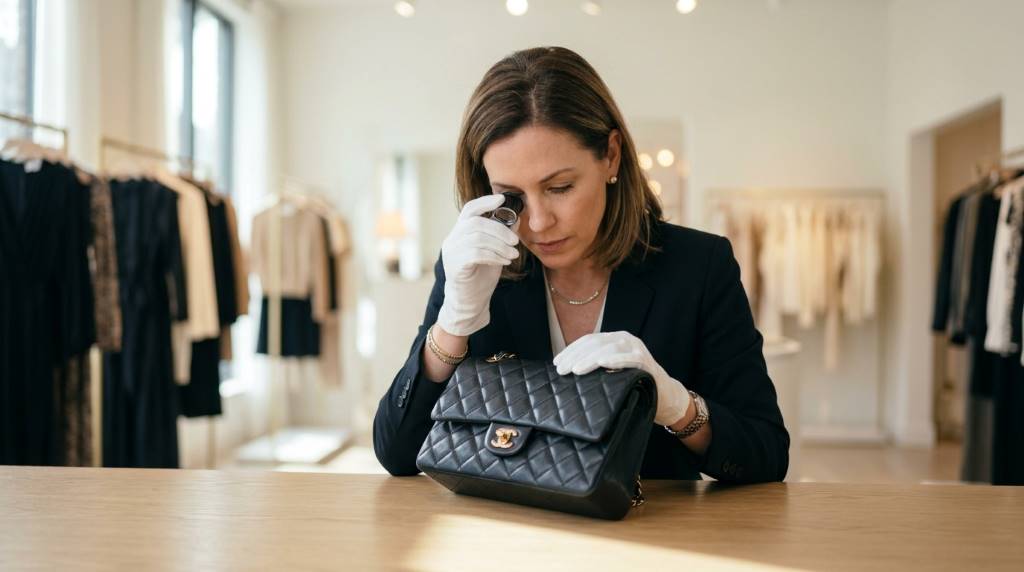
Boutique owners in Atlanta, GA, face a growing challenge as counterfeit designer bags flood the market, leading to increased returns and dissatisfied customers. Studies show that nearly 20% of luxury handbags sold online are fake, costing businesses millions annually. To combat this, owners must adopt strict authentication processes. One effective method is to identify fake Gucci bags before they reach the sales floor.
Understanding the Counterfeit Market in Atlanta
Atlanta’s strategic location as a transportation hub makes it a prime target for counterfeiters. The city’s busy ports and airports allow fake goods to enter the market quickly. Boutique owners must recognize this risk to implement effective countermeasures.
Counterfeiters often target popular brands like Louis Vuitton, Chanel, and Gucci. These brands are highly sought after, making them lucrative targets for fakes. Owners should focus on verifying the authenticity of these high-risk items.
The demand for luxury bags in Atlanta is driven by a fashion-conscious population. However, this demand also attracts counterfeiters looking to exploit unsuspecting buyers. Boutiques must educate their customers about the importance of authenticity.
Key Signs of Counterfeit Designer Bags
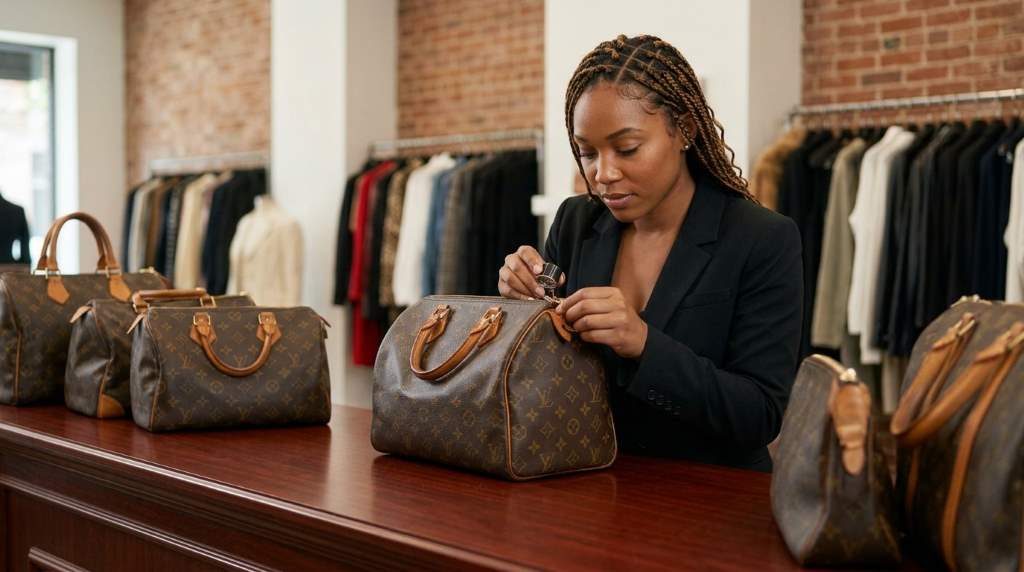
Authentic designer bags often have high-quality stitching, materials, and hardware. Counterfeits, on the other hand, may have uneven stitches, cheap materials, and poorly finished details. Boutique owners should train staff to spot these differences.
Logos and branding are another critical area to examine. Authentic bags have precise, clear logos, while counterfeits may have blurry or misaligned branding. This is a quick way to spot a fake during initial inspections.
Serial numbers and authenticity cards are also important. Many luxury brands include unique serial numbers and holograms that are difficult to replicate. Boutiques should verify these details with the manufacturer when in doubt.
Implementing Authentication Processes
Boutique owners should invest in authentication tools and services. Many companies specialize in verifying the authenticity of luxury goods. These services can provide peace of mind and reduce the risk of stocking counterfeit items.
Staff training is equally important. Employees should be able to recognize the signs of counterfeit bags and understand the authentication process. Regular workshops and updates on new counterfeit trends can keep the team informed.
Collaborating with reputable suppliers is another effective strategy. Boutiques should work with trusted distributors who guarantee the authenticity of their products. This reduces the risk of counterfeit items entering the inventory.
Educating Customers About Authenticity
Customers often unknowingly purchase counterfeit bags, believing them to be genuine. Boutiques can play a role in educating buyers about the importance of authenticity and how to verify it. This builds trust and positions the boutique as a reliable source.
Providing certificates of authenticity with each purchase can reassure customers. These certificates should include details like the bag’s serial number, materials, and origin. This transparency helps customers feel confident in their purchase.
Hosting events or workshops on luxury bag authentication can also engage customers. These sessions can teach buyers how to identify genuine products and avoid fakes, fostering a community of informed shoppers.
Leveraging Technology for Authentication
Technology is playing an increasingly important role in combating counterfeit goods. Boutiques can use blockchain-based solutions to verify the authenticity of designer bags. These systems provide a tamper-proof record of a bag’s history, from manufacturing to sale.
Mobile apps are also available to scan and verify the authenticity of luxury items. These apps use databases of genuine products to compare against suspected fakes. Boutiques can recommend these tools to customers for added assurance.
AI-powered tools are emerging as a powerful way to detect counterfeits. These systems analyze images and details of bags to identify inconsistencies that may indicate a fake. Integrating such technology can streamline the authentication process.
Building a Trusted Brand in Atlanta
Boutiques that prioritize authenticity can differentiate themselves in Atlanta’s competitive market. By consistently offering genuine products, owners build a reputation for reliability and quality. This can attract loyal customers who value authenticity.
Transparency in sourcing and authentication processes can further enhance a boutique’s credibility. Sharing information about suppliers and verification methods reassures customers that they are purchasing genuine items.
Engaging with the local fashion community can also strengthen a boutique’s position. Participating in events, collaborations, and discussions about authenticity can establish the boutique as a thought leader in the industry.
Legal Considerations for Boutique Owners
Selling counterfeit goods, even unknowingly, can have serious legal consequences. Boutique owners must ensure their inventory is authentic to avoid fines, lawsuits, and damage to their reputation. Consulting with legal experts can provide guidance on compliance.
Understanding intellectual property laws is crucial. Counterfeit goods infringe on the trademarks and copyrights of luxury brands. Boutiques must respect these laws to operate ethically and legally.
In cases where counterfeit items are discovered, boutiques should have a clear process for reporting and removing them. This includes notifying the appropriate authorities and cooperating with investigations to protect their business.
Case Study: Success in Reducing Returns
A boutique in Atlanta’s Buckhead district implemented a multi-step authentication process, including staff training, supplier vetting, and customer education. As a result, they reduced returns due to counterfeit bags by 40% within six months.
The boutique also introduced a certification program for customers, providing detailed authenticity reports with each purchase. This initiative not only reduced returns but also increased customer satisfaction and repeat business.
By sharing their success story, the boutique inspired other local businesses to adopt similar measures. This collaborative approach strengthens the entire fashion community in Atlanta against counterfeit goods.
Conclusion
Reducing returns from counterfeit designer bags requires a combination of vigilance, education, and technology. Boutique owners in Atlanta, GA, can protect their businesses by implementing strict authentication processes, educating customers, and leveraging advanced tools.
Building a trusted brand and staying compliant with legal standards further ensures long-term success. By taking proactive steps, boutiques can thrive in a competitive market while maintaining their integrity.
Start today by reviewing your current processes and investing in authentication tools. Your customers and your business will thank you.
FAQs
How can I tell if a designer bag is counterfeit?
Look for inconsistencies in stitching, materials, logos, and serial numbers, as these are common signs of counterfeit bags.
What should I do if I accidentally sell a counterfeit bag?
Remove the item from your inventory, notify the customer, and consult legal advice to address the issue.
Are there tools to help authenticate designer bags?
Yes, blockchain-based systems, mobile apps, and AI-powered tools can assist in verifying the authenticity of luxury goods.
How can I educate my customers about counterfeit bags?
Host workshops, provide certificates of authenticity, and share information about the importance of genuine products.
What legal risks are associated with selling counterfeit bags?
Selling counterfeit goods can lead to fines, lawsuits, and damage to your boutique’s reputation.