
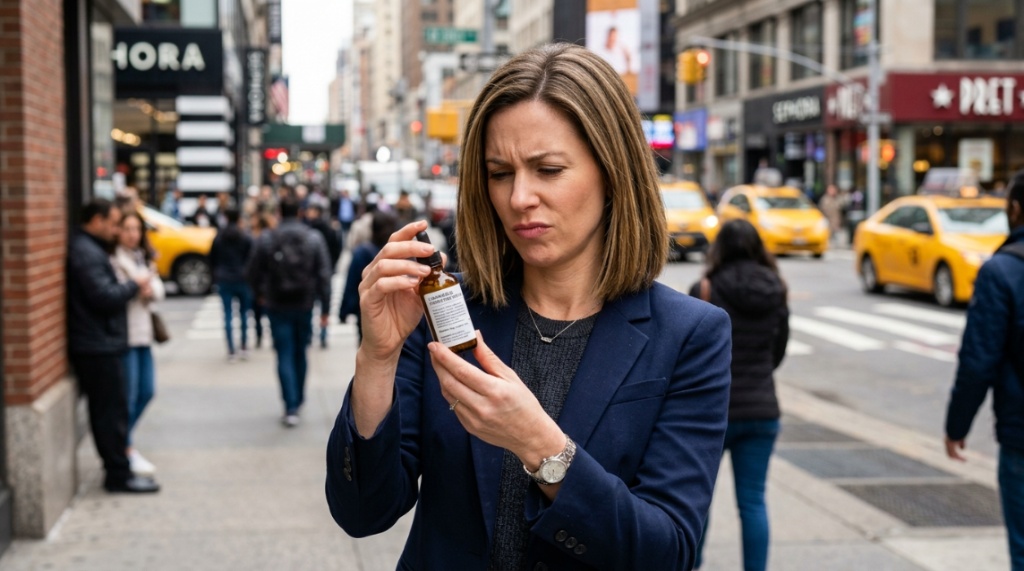
You just dropped eighty bucks on a miracle serum sold by a charming stranger at a pop-up booth in SoHo. The bottle looks elegant, the promises were huge, and now your face is red, itchy, and burning. You have just been scammed. New York City is a paradise for beauty lovers, but it is also a hunting ground for skincare con artists who sell fake products, unlicensed treatments, and overpriced formulas. If you want to avoid skincare scams NYC has plenty of, you need street-smart strategies. This guide shows you exactly how to spot frauds, verify ingredients, and buy authentic products without falling for the hype.
What Are the Most Common Skincare Scams in New York City?
The most common skincare scams in NYC involve counterfeit luxury products, fake “medical grade” treatments at unlicensed spas, and high-pressure sales tactics at street markets or hotel “seminars.” Scammers prey on tourists and busy locals alike, banking on the city’s fast pace to skip due diligence.
Counterfeit Department Store Bait and Switch
A scammer approaches you near Saks Fifth Avenue or Bloomingdale’s, claiming to have “surplus” La Mer or Drunk Elephant from a warehouse error. The box looks real, but inside is cheap lotion mixed with industrial fillers. Never buy luxury skincare from a sidewalk or a stranger’s trunk.
Unlicensed Medi-Spas and “Doctor” Treatments
Many storefronts in Midtown offer “medical grade” peels or microneedling for a fraction of the usual price. They use generic titles like “skin specialist” even though the person behind the needle has no medical license. These treatments often cause burns, infections, or scarring.
Subscription Traps Hidden in Free Samples
A kiosk worker offers you a free “facial analysis” and a sample cream. To get the sample, you provide your credit card for “verification.” The fine print says you have enrolled in a monthly subscription that costs $89.99 and is nearly impossible to cancel. You walk away with a tiny sample but a massive recurring charge.
How Can You Verify If a Skincare Product Is Authentic in NYC?
You can verify a skincare product is authentic by checking the batch code, inspecting the packaging for spelling errors, comparing the texture against official swatches, and buying only from authorized retailers listed on the brand’s website. If the price feels too good to be true, the product is likely counterfeit.
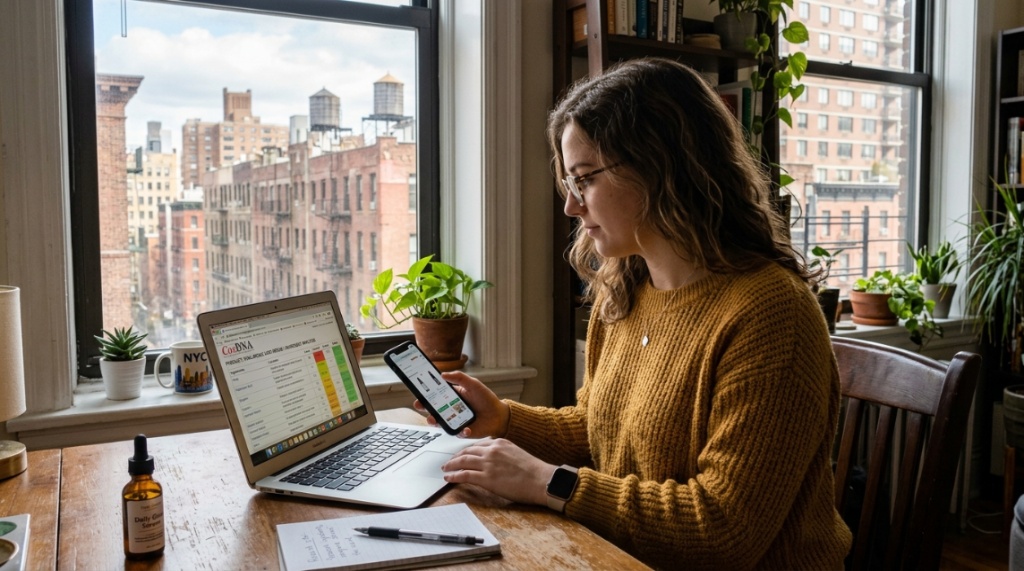
Check the Batch Code and Expiration Date
Every legitimate brand stamps a batch code on the bottom or crimp of the tube. Use a free checker like CheckFresh or CosDNA to see if the code matches the brand’s manufacturing records. Counterfeit products often have missing, smudged, or nonexistent codes.
Examine Packaging for Quality Red Flags
Authentic brands spend heavily on packaging. Look for blurry fonts, uneven glue seams, loose caps, or missing safety seals. If the box says “Moisturiser” instead of “Moisturizer” or uses generic stock photos, you are likely holding a fake.
Compare the Scent and Texture
Counterfeit products rarely replicate the exact scent or texture of the original. Visit an official store like Sephora or Blue Mercury to smell and feel the genuine product. If your purchase smells like rubbing alcohol or feels greasy or watery, it is a fake.
Why Do Skincare Scams Thrive in New York City Specifically?
Skincare scams thrive in NYC because of the city’s high tourist volume, fast-paced culture, and dense concentration of luxury brands. Scammers exploit the “limited time” mindset and the reality that police rarely prioritize beauty fraud over violent crime. The sheer number of pop-up shops and unlicensed vendors makes enforcement difficult.
High Foot Traffic Creates Easy Targets
Times Square, Union Square, and SoHo see millions of visitors monthly. Scammers blend in among legitimate street vendors and pop-up boutiques. Tourists are less likely to question a transaction when they are tired, hungry, and eager to buy a piece of the NYC glamour.
Regulatory Gaps in the Beauty Industry
While the FDA regulates cosmetics, enforcement is complaint-driven and slow. A pop-up shop can rent a space for a month, sell counterfeit products, and disappear before any agency issues a warning. The City’s Department of Consumer Affairs is helpful but understaffed relative to the volume of complaints.
The Glamour Factor Makes People Lower Their Guard
Scammers dress well and use convincing jargon about “French ingredients” or “dermatologist-backed formulas.” They know that a confident, polished appearance lowers your skepticism. In NYC, everyone looks put together, so a scammer in a blazer does not stand out.
Which Stores and Spas Are Safe for Skincare Purchases in NYC?
Safe stores include official brand boutiques, major department stores (Bloomingdale’s, Nordstrom, Saks), and authorized retailers like Sephora, Ulta, and Credo. For professional treatments, stick with a board-certified dermatologist or a medical spa where a doctor is on-site and licensed in New York State.
Trusted National Retailers with Authenticity Guarantees
Sephora, Ulta, and Nordstrom buy directly from brands or authorized distributors. They have return policies that protect you if a product is defective. Avoid third-party sellers on Amazon or eBay labeled as “fulfilled by reseller” unless the brand itself sells there.
How to Find a Legitimate Medi-Spa
Check the New York State Office of the Professions website to verify a doctor’s or nurse’s license. A legitimate medical spa should have a physician listed as the medical director. If the front desk cannot tell you the doctor’s full name and license number, walk away.
Independent Beauty Boutiques with Good Reputation
C.O. Bigelow in Greenwich Village, the Apothica in Flatiron, and smaller stores like Capitale in Nolita have been in business for years. Look for stores that have been open long enough to build a reputation. A brand new shop in a temporary storefront is a higher risk.
How Do You Spot a High-Pressure Sales Tactic at a Skincare Kiosk?
High-pressure sales tactics include telling you that a cream is “discontinued and the last one,” grabbing your hand to apply product without asking, or insisting you touch their face to “feel the difference.” Any vendor who makes you feel rushed or guilty is trying to manipulate you into a poor decision.
Grabbing Your Hand or Touching Your Face Without Consent
This is the biggest red flag. A legitimate vendor will ask permission before touching you. If someone reaches for your face or arm, step back immediately. This physical pressure is designed to make you feel obligated to buy as a “thank you” for their time,Before booking any treatments, always verify the clinic’s credentials. If you are debating whether a professional treatment is worth the investment, check out our guide on Why You Should Get a Spa Facial to understand the benefits of safe, expert care.
Claiming the Product Will Sell Out “Today Only”
Real luxury skincare brands do not create scarcity through street vendors. If the seller tells you the price is only valid for the next ten minutes, say no. Legitimate products will be available tomorrow at a legitimate store.
Refusing to Let You See the Ingredient List
New York State law requires cosmetic products to have a full ingredient list available upon request. If a vendor dodges the question or says “it is a secret formula,” you are being scammed. Real brands publish their ingredients proudly.
Can You Return Counterfeit Skincare Products in NYC?
You can attempt a return, but it is very difficult once you walk away from the transaction. Street vendors rarely provide receipts. If you paid with a credit card, you can file a chargeback with your bank. If you paid cash, the money is likely gone.
File a Chargeback with Your Credit Card Company
Call your credit card issuer and explain that the product is counterfeit or that you were misled. Provide photos of the product and packaging. Under the Fair Credit Billing Act, you have 60 days to dispute the charge. This is the most reliable way to recover your money.
Report the Scam to NYC Consumer Agencies
File a complaint with the New York City Department of Consumer and Worker Protection (DCWP). While they may not recover your money, your report adds to a database that can lead to fines or shutdowns. You can also report counterfeit goods to the brand itself; many have anti-counterfeiting teams.
What to Do If You Bought a Fake from a Physical Store
If you bought from a brick-and-mortar store that turns out to sell fakes, demand a refund in writing. If they refuse, leave a factual review on Google Maps and Yelp warning other customers. Include photographic evidence of the fake product.
What Ingredients Should You Check for Red Flags in NYC Products?
Watch for ingredients that appear in the wrong order on the label, water as the first ingredient when it should be an active, and claims of “stem cells” or “DNA repair” without any supporting clinical data. If a product promises botox-like results but contains no regulated active ingredients, it is a scam.
Ingredient List Order Is Important
Ingredients are listed by concentration, from highest to lowest. If a product claims to be a “20% vitamin C serum” but vitamin C appears halfway down the list, the claim is false. Counterfeit products often list expensive actives first just to impress you.
Beware of Proprietary Blends with No Details
A scam product might say “proprietary peptide complex” but not list the specific peptides. Legitimate brands disclose every ingredient because they undergo testing. If the label is vague about what is inside, the bottle likely contains cheap filler like mineral oil with fragrance.
Check for Allergens and Irritants That Match the Price
A $20 serum that lists high concentrations of retinol, niacinamide, and vitamin C all at once is chemically unstable. Real skincare formulators build stability over multiple bottles. Any product that claims to do everything at a bargain price is usually a scam.
How Do You Verify a Skincare Influencer’s Product Recommendations in NYC?
You verify an influencer’s recommendation by checking their bio for an “ad” or “paid partnership” tag, looking for genuine before-and-after photos with consistent lighting, and searching for independent reviews on Reddit or Trustpilot. Many influencers in NYC promote fake products for cash without trying them.
Look for Disclosure Tags on Social Media Posts
The FTC requires influencers to disclose paid partnerships. If an influencer never says “#ad” but raves about a “new discovery,” they may be hiding a financial relationship. Check their older posts to see if they suddenly start promoting a single unknown brand.
Search for Reviews Outside the Influencer’s Platform
Go to Reddit’s r/SkincareAddiction or r/NYC to see if real users talk about that product. Search the product name plus “scam” or “fake” on Google. If the only reviews are on the influencer’s page or the brand’s website, the product likely has no real user base.
Verify the Influencer’s Credentials
An esthetician with a license from New York State is credible. An influencer whose only qualification is a large Instagram following is not. Ask: does this person actually work with skin scientifically, or do they just look good in photos?
What Steps Should You Take Before Buying Skincare from a Street Vendor?
Before buying from a street vendor, inspect the packaging thoroughly, ask for a receipt, verify the brand’s official website offers that exact product, and check the texture by requesting a sealed tester. If any step raises doubt, skip the purchase. Your face is worth more than a bargain.
Ask for a Sealed, Unopened Box
Scammers often show you a genuine product as a “tester” and then hand you a fake from under the table. Always ask for a sealed box. If they cannot provide one, they are out of stock on the real product.
Take a Photo of the Vendor and Their Location
If you decide to buy, take a photo of the vendor, their table, and the nearest cross street. This helps if you need to file a police report or a chargeback. It also signals to the vendor that you are documenting the transaction, which may deter them from giving you a fake.
Trust Your Gut Instincts Immediately
If the interaction feels off, the price is suspiciously low, or the seller is too aggressive, walk away. No single skincare product is worth the risk of a skin reaction, an infection, or a stolen credit card number. The best way to avoid skincare scams NYC harbors is to trust your gut before you hand over cash.
Frequently Asked Questions
Can skincare products from street vendors in NYC ever be genuine?
It is possible but highly unlikely. Most street vendors selling high-end brands like La Mer or Chanel are selling counterfeits. The risk of irritation, infection, or paying for a bottle of cheap lotion is very high. Buy from authorized retailers only.
How do I report a skincare scam in New York City?
File a complaint with the NYC Department of Consumer and Worker Protection (DCWP) online or by calling 311. You can also report counterfeit goods to the brand’s corporate office and file a report with the NYPD if fraud is involved.
Is it safe to buy Korean skincare from kiosks in Koreatown?
Only if the kiosk is attached to a physical store with a good reputation. Many K-beauty products are genuinely imported, but counterfeits exist. Buy from brands like Missha, Innisfree, or COSRX at their official storefronts or authorized retailers like Sephora.
What should I do if I already used a counterfeit product and got a rash?
Stop using the product immediately. Cleanse your skin gently with a mild cleanser and apply a fragrance-free moisturizer. If the rash is severe, painful, or blistered, see a board-certified dermatologist. Take the product with you to show the doctor.
Do luxury department stores in NYC ever sell fake skincare?
It is extremely rare at stores like Bloomingdale’s, Saks, or Nordstrom because they have strict supply chain contracts. However, these stores can carry products from third-party vendors in their “shop-in-shop” areas. Always check that the seal is intact.
How can I verify a facialist’s license in NYC?
Visit the New York State Office of the Professions website and search the licensee database for an esthetician’s license. A legitimate facialist should be licensed, insured, and willing to show you their credential upon request.