

Finding a baby carrier that actually fits your body—and your baby—can feel like an impossible puzzle, especially if you wear plus sizes. Most standard carriers dig into shoulders, create painful back strain, or simply don’t buckle around your waist. The struggle is real: you need hands-free convenience, but standard products just weren’t designed with your body in mind. That’s why you need a comfortable plus-size baby carrier PA parents actually rely on. The solution isn’t just about finding a “bigger” carrier; it’s about finding one engineered for proper weight distribution, adjustability, and long-term ergonomic comfort—a carrier that feels as good on mile five as it does on minute five.
What Defines a Truly Comfortable Plus Size Baby Carrier?
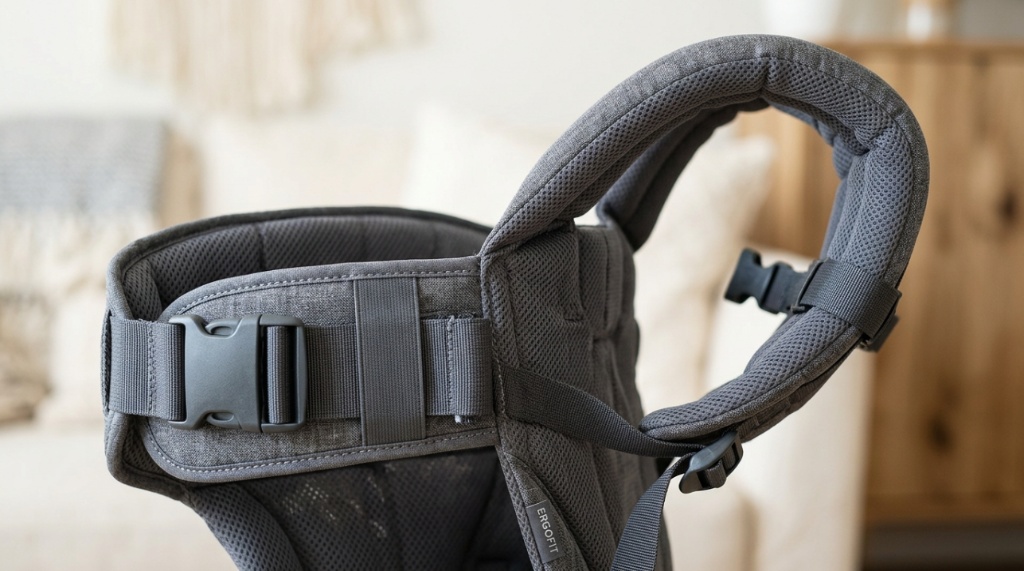
A truly comfortable plus size baby carrier is one that distributes the baby’s weight evenly across your hips and shoulders. It must have a longer waistband that fits above the hips without digging in, wider padded shoulder straps, and a height adjustability range that accommodates different torso lengths. Without these features, you’ll end up with neck pain, lower back fatigue, and an unhappy baby.
The Key Hallmarks of an Ergonomic Fit
Ergonomics are non-negotiable. A carrier must support your child in an “M” position (knees higher than the bottom) while keeping their spine naturally curved. For the wearer, that means a lumbar-supporting waist belt that sits on your true waist (not your hip bones) and secures comfortably without pressure points.
Why Standard Carriers Fail for Plus-Size Bodies
Standard carriers often have a maximum waistband length of 45–50 inches. For many plus-size parents, this means wearing the belt too low to achieve a proper pelvic tilt, leading to swayback and shoulder strain. Also, thinner straps create “roping” into the trapezius muscles, causing migraines and fatigue.
Fabric and Breathability Matter More Than You Think
In Pennsylvania’s humid summers, a heavy, multilayer woven wrap can overheat both you and the baby. Look for carriers with breathable cotton canvas or mesh panels. This isn’t just about comfort; it’s about temperature regulation to prevent heat rash for you and your little one.
Why Choosing the Right Carrier in PA Requires Specific Attention
Pennsylvania’s four distinct seasons—from snowy winters to 90°F summer days—demand a versatile carrier. Additionally, PA parents are often walking in urban parks in Philly or hiking the Appalachian Trail in the west. Your carrier must be adaptable enough for a light sweater or a heavy winter coat.
Seasonal Wearability and Layering
You can’t wear a bulky coat inside a carrier; that’s a suffocation risk. Instead, opt for a carrier with extra length in the shoulder straps to accommodate a fitted jacket or use a carrier-specific winter insert. For summer, a mesh or zoned-breathable carrier is essential for airflow.
Lifestyle: From City Strolling to Trail Hiking
A carrier beautiful for a shopping trip might be terrible for a 3-mile hike. PA parents need options that offer lumbar support (for uneven terrain) and adjustability to switch from front-inward-facing to back carry as baby grows.
Sizing Differences Between Indie and Big-Box Brands
Many “plus-size” carriers from big-box stores simply add 10 inches to the waistband but fail to adjust the shoulder strap width. Indie brands often offer better customization, like reverse taper straps that don’t pull on your arms. Always measure your torso length and waist against the carrier’s specs, not just the waistband.
Which Carrier Styles Are Best for Larger Bodies?
Bucket-style soft structured carriers (SSCs) and mei tai carriers are generally the most comfortable for plus-size parents. Buckle carriers are easier to get on and off, while mei tais offer infinite adjustability for a truly custom fit.
Soft Structured Carriers (SSC)
SSCs like the Chekoh or Happy Baby have panels that snap to adjust to your baby’s height. Look for those with “tuckable” straps that allow you to cross them in the back for a better fit if your shoulders are narrower.
Wrap Torso Carriers vs. Waistband Carriers
Full wraps (ring slings) can be tricky because your core strength controls support. Waistband carriers are better for plus sizes as they transfer weight to your strong hip bones. Avoid wraps with a single shoulder for long periods if you have a weak back.
The Importance of Adjustable Crossable Straps
Straps that pull inward (not out to the sides) prevent the “banana back” hunch. Crossable straps (H-back) vs. backpack straps (X-back) is a personal choice, but X-back sleep styles often distribute weight better for larger chests. Test both configurations if possible.
How to Measure Yourself for a Plus Size Carrier
Measure your waist at your navel and your hip circumference at the widest part. Most importantly, measure your torso length (from your shoulder to your waist). This determines if you are “short-waisted” or “long-waisted,” which dictates strap placement.
Step-by-Step Sizing Guide
- Use a soft measuring tape to measure your waist where you feel comfortable (usually 1–2 inches above the navel).
- Measure your chest circumference at its fullest point.
- Measure your torso length from the top of your shoulder to the top of your hip bone.
- Compare these numbers with the carrier’s specifics to ensure that the panel height matches your baby’s length and the straps don’t sit too close or too far apart.
Tools to Help You Visualize the Fit
Use a fabric ruler to mark the carrier’s width. Place it on your hips and see if the belt reaches your ASIS points (the bone you feel on the side of your front hip). If it doesn’t hit there, it’s too narrow.
When to Consider a Custom or Semi-Custom Option
If you are a size 3X or above, your weight is distributed differently. Semi-custom options from small shops allow you to specify waist belt length (up to 60+ inches) and strap width. This is worth the extra cost for daily comfort.
Can a Plus-Size Carrier Be Used from Newborn to Toddler?
Yes, but you need to check the minimum and maximum weight and height limits. Most carriers support up to 40 lbs, but the seat width must be adjustable to change from a narrow newborn hip seat to a wide toddler seat. Always check for “unitized” width settings to ensure proper hip development.
Adjustability Features for Growing Babies
Look for a carrier with a cinching system in the panel to bring the bottom up for newborns. As your child grows, you’ll let the panel out fully. This saves you from buying a separate infant insert, which can add unneeded bulk and heat.
The “Tight Enough” Checklist for Safety
You should be able to kiss the top of your baby’s head. Your baby’s knees should be higher than their bottom, and their back should be supported. If you can’t maintain this position with the straps fully tightened, the carrier is not safe for you to use.
Max Carrying Capacity and Weight Distribution
Heavier toddlers (30+ lbs) require a carrier with a high waist support to hold their weight on your hips, not your shoulders. If the carrier digs into your thighs when carrying a toddler, tighten the shoulder straps more and engage your core.
How to Test a Carrier for Shoulder and Back Pain
Put the carrier on with your baby inside and stand in a mirror. If your shoulders are pulled back into an unnatural military position or you feel the straps slipping off your deltoids, it’s a fail. A good carrier should keep your ears, shoulders, and hips aligned.
Common Posture Mistakes to Avoid
Don’t wear the carrier too low; the waistband should be parallel to the floor. Don’t lean forward at the waist; instead, hinge at your hips and squat with your knees. This protects your lower spine from strain.
The 10-Minute Walk Test
Wear the carrier for 10 minutes inside your home with a 10 lb bag of rice (simulating a baby). Walk up and down stairs. If you feel numbness, tingling, or hot spots anywhere, it’s the wrong shape for your body. Keep moving until you find the one that disappears.
Red Flags: Numbness and Pressure Points
Numbness in your legs indicates the waistband is cutting off circulation. Tingling in your fingers means the shoulder straps are constricting nerves. Severe back pain means there is zero lumbar support. All three are deal-breakers.
What Are the Best Plus-Size Carrier Brands Popular in PA?
Brands like Tula, Ergobaby, and Lillebaby dominate the market, but newer players like Chekoh and Happy Baby are gaining traction for their inclusive sizing. The best brand is the one that fits your specific measurements—not just the one with the most stars.
Top 5 Reliable Models to Consider
| Brand | Waistband Max | Key Feature |
|---|---|---|
| Tula (Standard) | 58″ | Flow knit, soft structure |
| Ergobaby Omni 360 | 54″ | Mesh, multiple carrying positions |
| Lillebaby Complete All Seasons | 60″ | Lumbar support, breathable mesh |
| Chekoh (Plush) | 62″ | Lambskin panel, ultra-plush |
| Happy Baby OG | 55″ | Minimal bulk, wrap feel |
Indie Designers vs. Mass-Market Options
Mass-market brands are easily accessible at Buy Buy Baby, Target, or online, but their extended sizing often caps at 60″. Indie shops (like a local baby boutique in Lancaster) often offer modifiable modifications, but you may wait for shipping. Consider your timeline.
Where to Try On Carriers in Pennsylvania
If you’re in Philly, check out Baby on the Hip in Chestnut Hill for a fitting session. In Pittsburgh, Modern Natural Baby offers loads of plus-size samples to try. Always call ahead to confirm they carry extended sizing in-store; most do not.
How to Position Your Baby for Maximum Comfort
Positioning is everything. Before buckling, place the carrier panel at your chest level. Then, tighten the straps in this order: 1) waistband, 2) side pulls (to bring the baby’s back flush), 3) chest strap last. This ensures a deep, seated position.
The Ideal M-Position for Baby’s Hips
Your baby’s knees should be level with or slightly higher than their bottom, creating a 90-degree angle at the knee. Their knees should be supported in a frog-like position, not dangling. Always check that the fabric supports from knee pit to knee pit. Finding the right ergonomic support is only the first step toward a seamless outing. Once you are geared up, make sure to pair your carrier with essential baby travel accessories for stress-free journeys to keep both you and your little one comfortable on the go.
Adjusting the Seat Width as Your Baby Grows
Most high-quality carriers have button snaps or velcro to adjust the seat. Tighten it for a newborn (narrower seat) and loosen it to the fullest extent for an older infant. Failure to adjust this can cause hip dysplasia over time.
Feeding and Chatting While Babywearing
Position your baby high enough to kiss their head. You should not be bending over to meet them. Ensure their chin is off their chest and their head is tilted slightly back to clear airways.
What to Look for in a Carrier for PA’s Cold Winters
You’ll need a carrier that allows you to zip a coat over both of you or use a blanket. Look for carriers with layerable straps that are not too bulky under a jacket. Alternatively, use a carrier cover that has leg holes and magnetic snaps for easy on-the-go use.
Layering Tips for You and Baby
Your first layer: a thin wool or silk base layer. Baby’s layers: a cotton onesie, a fleece footie, and a wind-resistant outer suit. Cover the baby in your carrier cover—not your winter coat—to avoid overheating.
Winter-Ready Fabrics to Consider
Wool’s natural breathability and moisture-wicking properties are ideal for cold weather, but it’s expensive. Cotton canvas is more durable and creates a barrier against wind, but it can absorb sweat. For heavy snow, a polyester blend is more abrasive but dries quicker.
Maintenance and Cleaning for Seasonal Use
Winter grime and road salt cling to carriers. Wash canvas carriers on a gentle cycle with cold water and air-dry. Never soak padded lumbar support pieces—they can flatten. Use a mild soap and vinegar rinse to kill mold from damp winter condensation.
Getting a comfortable plus-size baby carrier PA parents love means balancing your body mechanics with your baby’s safety. Test it, walk in it, and adjust it in front of a mirror. The investment is worth the relief from shoulder pain and the joy of having your hands free to chase your toddler in the park.
Are There Affordable Options for Plus Size Carriers?
Yes, affordable doesn’t mean low quality. Many budget carriers under $100 now offer extended sizing due to demand. Look for models that lack “luxury” features like padded leg straps but still offer the essential adjustments.
Budget Busters vs. Value Picks
Skip the $50 carrier that has no lumbar support—it’s a waste of money. A $150 carrier with superb adjustability is a value pick because it lasts for years and preserves your spine. For a budget pick, look at the Infantino Flips (max 52″ waist) or the Graco 4Ever (max 55″).
Secondhand Options and Buying Guides
Facebook Marketplace in PA is full of used carriers. Check for wear and tear on the buckles and fabric, and ensure there is no mold smell. If you’re on a budget, join “Babywearing 101” groups; they often sell used ergonomic carriers at 50% of the retail price.
Insurance and FSA Reimbursement for Carriers
Did you know some FSA/HSA accounts allow you to use pre-tax dollars for baby carriers if prescribed by a chiropractor or physical therapist for your back pain? Save your receipt and request a medical note. This makes the cost more manageable.
When Should You Switch from a Carrier to a Stroller?
When your child starts walking confidently (around 18-24 months) and wants to be put down frequently, the carrier becomes less useful. However, many carriers handle up to 40 lbs, meaning you can still use them for long hikes or airports for eager toddlers.
Reading Signs from Your Baby
If your baby starts leaning backward or physically resisting the carrier, it’s a sign they want freedom. Try a “back carry” where they can see over your shoulder; this often extends the use by another 6 months.
Transitioning from Carrier to Toddler Activities
Use the carrier for power naps while you’re walking or for quick jaunts into the grocery store. For active play, rely more on the stroller. A carrier isn’t necessary for every outing—judge your child’s mood and energy level.
Frequently Asked Questions
Can I use a standard carrier if I’m plus size but have a small baby?
Yes, you can, but the waistband will sit too low on your thighs, causing back pain. You must use every adjustment to make the shoulder straps as tight as possible to keep the panel high. Safety is compromised if the fit isn’t correct.
How long can I wear my baby in a plus-size carrier?
You can wear them for about 2 hours at a time without a break. After that, take a break to stretch your legs and reset your posture. It’s safe for the baby, but you need to monitor your own fatigue.
Is there a hip dysplasia concern when using a cheap carrier?
Yes, narrow seat widths without proper knee support can lead to hip issues. Always ensure there’s adequate width from knee to knee and that the fabric doesn’t scrunch their legs together. High-quality carriers are actually recommended by pediatric orthopedic surgeons.
What’s the best way to identify a good brand?
Look for a brand that has strong medical advisory boards, passes ASTM safety standards, and offers detailed sizing guides with measurements in inches, not just “S/M/L.” Also, check for testimonials from parents above 250 lbs.
Can I bassinet my newborn in a plus-size carrier?
Automated fit is very important. Newborns require the seat to be narrow, so the carrier must have a cinching option. The carrier should also allow you to adjust the neck support carefully. It’s easier than using a wrap with a newborn because it sets your posture better.
Conclusion
Selecting a comfortable plus-size baby carrier PA parents can wear all day is about precision—checking the waistband, measuring your torso length, and testing shoulder strap width. Take your time, use the 10-minute walk test, and don’t settle for a carrier that leaves you sore. You deserve the freedom of babywearing without the physical sacrifice. Evaluate your must-haves, set your budget, and order from a retailer with a generous return policy so you feel confident undressing in a carrier from day one.