
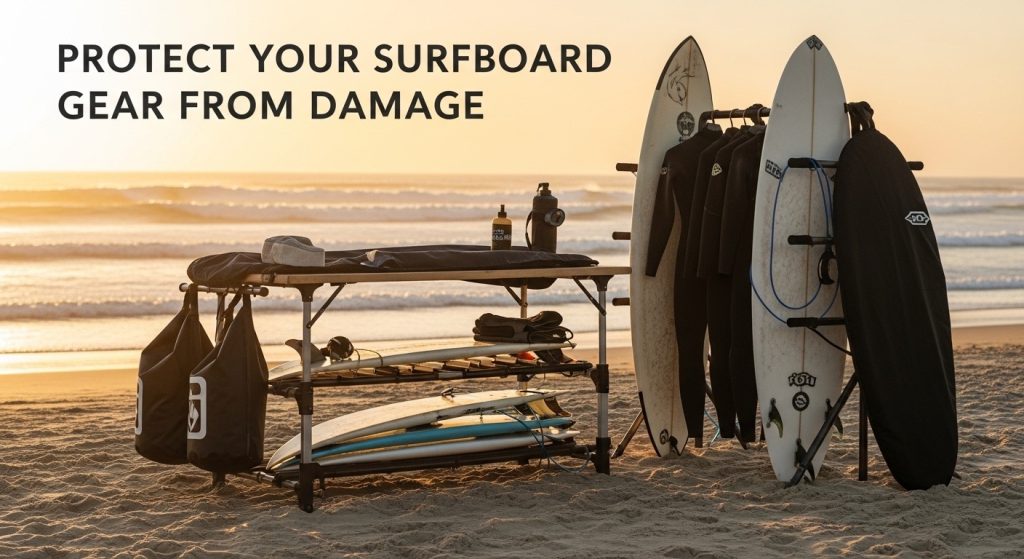
Surfboards and surf gear are valuable investments. Yet many surfers unknowingly shorten the life of their equipment through poor storage, transport mistakes, and lack of maintenance. Surfboard damage does not always happen during a wipeout in the ocean. In many cases, damage happens off the water—inside cars, during travel, or from simple neglect.
Surf equipment care refers to the habits and routines surfers use to protect boards, fins, leashes, wetsuits, and accessories from wear, impact, UV exposure, and saltwater corrosion. Proper surf gear maintenance includes rinsing equipment, storing boards safely, repairing small dings quickly, and using protective accessories such as board bags.
The problem is simple: damaged gear reduces performance, increases safety risks, and leads to expensive replacements. According to industry reports from surf retailers, improper storage and transportation are responsible for nearly 40% of surfboard damage claims each year. That means many of these problems are preventable.
This guide explains how to protect your surfboard gear from damage using practical routines used by experienced surfers and surf schools. You will learn how to store boards, transport equipment safely, maintain accessories, and prevent long-term wear.
If you want your surf gear to last longer and perform better, consistent surf equipment care is the key.
Why Is Surf Equipment Care Important for Surfers?
Short answer: Surf equipment care prevents performance loss, safety risks, and expensive repairs.
Surfboards and surf accessories are exposed to harsh conditions. Saltwater, sunlight, sand, pressure, and heat can all weaken materials over time. Without proper surf gear maintenance, even high-quality boards degrade faster.
The Problem
Many surfers assume that modern surfboards are durable enough to handle rough treatment. In reality, fiberglass and epoxy boards are strong in water but vulnerable outside the ocean.
Common issues include:
- Heat damage inside cars
- Pressure dents from improper storage
- Water absorption through small cracks
- UV degradation weakening fiberglass
- Rust on metal components
A 2022 surf shop repair analysis from California repair centers showed that the most frequent repairs were:
| Type of Damage | Cause | Frequency |
|---|---|---|
| Pressure dents | Improper storage | 32% |
| Dings and cracks | Transport accidents | 28% |
| Water damage | Unrepaired small cracks | 23% |
| Heat warping | Hot car storage | 17% |
The Agitation
Even small damage affects surf performance. Water entering the foam core increases board weight. Pressure dents change board flex. Cracks weaken structural integrity.
That means slower paddling, reduced maneuverability, and greater risk of breakage during waves.
The Solution
Consistent surf gear maintenance prevents most of these issues. Simple routines such as rinsing equipment, storing boards in shade, and repairing small dings quickly can extend a board’s lifespan by several years.
How Should You Store Your Surfboard to Prevent Damage?
Short answer: Store surfboards indoors, away from heat and sunlight, using padded racks or wall mounts.
Storage is one of the biggest factors affecting surfboard lifespan. Poor storage causes pressure dents, UV damage, and board warping.
Best Storage Practices
- Store boards in a cool indoor space
- Use padded board racks
- Keep boards out of direct sunlight
- Avoid stacking boards directly on each other
- Store boards horizontally or vertically with support
Why Heat Is a Major Risk
Surfboards contain foam cores sealed inside fiberglass layers. When heat builds up, the air inside the foam expands. This pressure can cause delamination where the fiberglass separates from the foam.
For example, temperatures inside parked cars can reach over 60°C (140°F) within one hour. At that level, the risk of structural damage increases significantly.
Recommended Storage Setup
- Wall-mounted racks for home storage
- Padded board stands in garages
- Board bags for extra protection
Professional surf schools often store boards in shaded racks with airflow to reduce heat buildup.
How Can You Transport Surfboards Without Causing Damage?
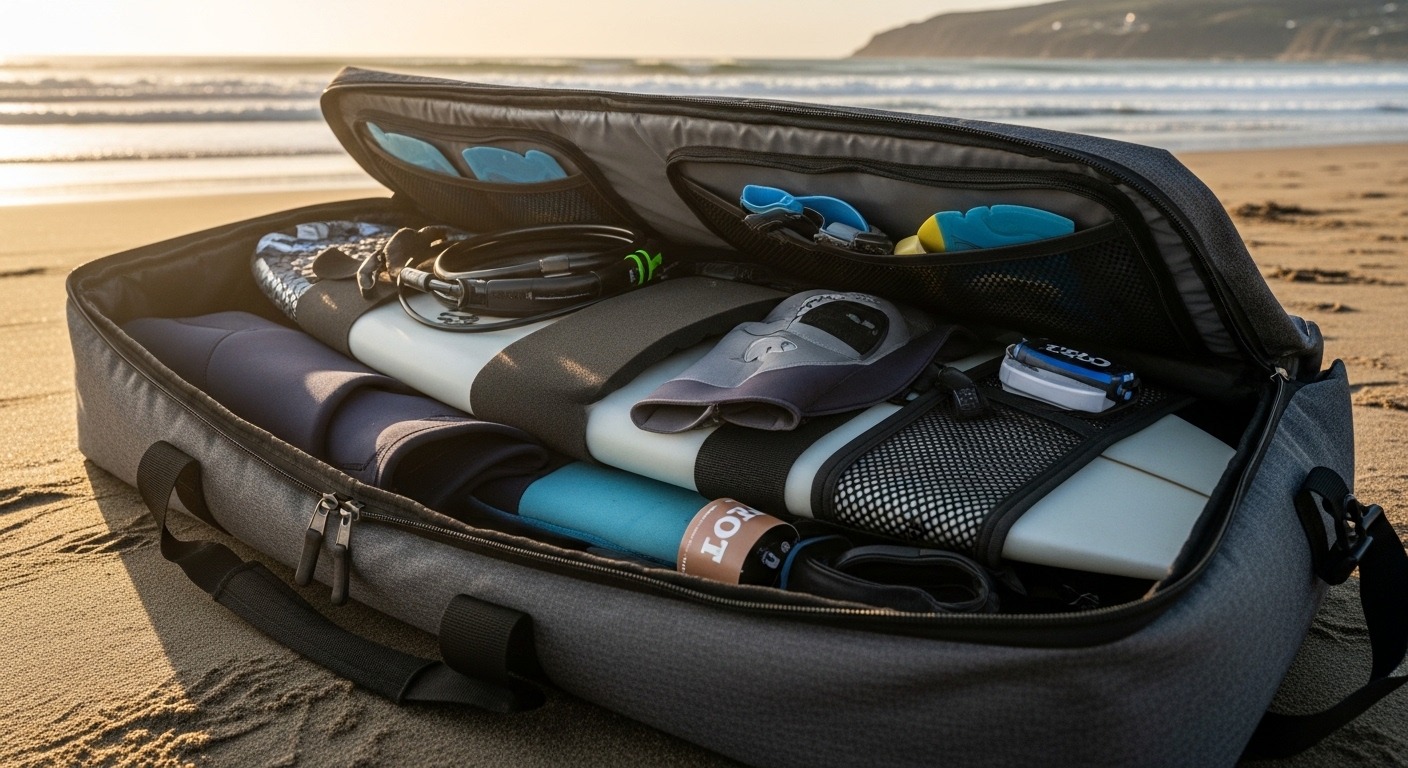
Short answer: Use padded surfboard bags, secure roof racks, and proper tie-down techniques.
Transport damage is one of the most common causes of surfboard repair. Improper tie-downs and hard impacts during travel can create cracks or pressure dents.
Common Transport Mistakes
- Strapping boards directly to roof racks without padding
- Over-tightening tie-down straps
- Stacking boards without protection
- Leaving boards exposed to wind friction
Best Transport Practices
- Always use padded board bags
- Use soft rack pads or roof rack padding
- Tighten straps firmly but not excessively
- Place boards deck down for stability
- Use additional foam separators if stacking boards
Case Study: Surf School Equipment Loss
A surf school in Australia analyzed damage reports across 200 boards transported daily. They found that using padded board bags reduced transport damage by 68% compared with unprotected boards.
This simple change significantly lowered repair costs and extended board lifespan.
How Do You Maintain Surfboard Accessories Properly?
Short answer: Rinse accessories with fresh water, dry them completely, and inspect them regularly.
Surf equipment care includes more than just the board. Accessories such as fins, leashes, traction pads, and wetsuits also require regular maintenance.
Leash Maintenance
- Rinse with fresh water after each session
- Check the swivel connectors
- Inspect for cracks or stretching
- Replace worn cords before they fail
Fin Care
- Remove fins occasionally for cleaning
- Rinse sand from fin boxes
- Check fin screws for rust
- Use corrosion-resistant screws
Wetsuit Maintenance
- Rinse thoroughly after use
- Dry in shade, not sunlight
- Hang on wide hangers
- Avoid folding for long storage
Proper accessory care improves safety and prevents unexpected failures in the water.
How Do You Prevent Surfboard Dings and Cracks?
Short answer: Use protective gear, avoid impact surfaces, and repair small dings immediately.
Dings are small cracks or dents in a surfboard’s fiberglass shell. They may appear minor but can allow water to enter the foam core.
Common Causes of Dings
- Dropping boards on hard surfaces
- Hitting rocks or reef
- Collisions with other surfers
- Transport impacts
Prevention Strategies
- Use board socks or board bags
- Avoid placing boards on asphalt or rocks
- Use nose guards for beginners
- Carry boards carefully near crowded beaches
Quick Ding Repair
If a ding appears, repair it quickly using a surfboard repair kit. Even temporary UV-cure resin can prevent water damage until a professional repair is done.
Surf repair technicians often report that boards brought in quickly after damage are far easier and cheaper to repair.
How Does Sunlight and UV Exposure Damage Surfboards?
Short answer: UV rays weaken fiberglass, fade resin, and increase internal heat pressure.
Many surfers underestimate the long-term effect of sunlight on surf equipment.
UV Damage Effects
- Fiberglass weakening
- Yellowing of board resin
- Delamination from heat buildup
- Reduced board strength
Epoxy boards resist UV damage slightly better than polyester boards, but both materials degrade over time when exposed continuously.
Protection Tips
- Store boards in shaded areas
- Use reflective board bags
- Never leave boards on the beach for long periods
- Cover boards during travel
These simple steps significantly reduce UV exposure and improve surf gear lifespan.
What Routine Maintenance Should Surfers Follow After Every Session?
Short answer: Rinse gear, dry equipment, inspect for damage, and store properly.
A simple post-surf routine is the foundation of surf gear maintenance.
Recommended After-Surf Checklist
- Rinse board with fresh water
- Clean sand from fins and leash plugs
- Dry wetsuit in shade
- Check for dings or cracks
- Store board in protective bag
This process usually takes less than 10 minutes but prevents many common problems.
Conclusion: How Can You Make Your Surf Gear Last for Years?
Protecting your surfboard gear does not require expensive tools or complicated routines. The biggest difference comes from consistent habits.
Surf equipment care begins with simple actions: storing boards in shade, transporting them safely, rinsing gear after sessions, and repairing small damage quickly. These small routines prevent common problems such as water damage, UV degradation, pressure dents, and transport cracks.
Experienced surfers and surf schools follow these practices because they know how quickly equipment costs can add up. A well-maintained surfboard can last many years, while neglected boards often need repairs within months.
If you want your gear to perform well and last longer, start treating maintenance as part of every surf session. The more consistent your surf gear maintenance routine becomes, the more reliable your equipment will be.
Next step: Create a simple gear care checklist and follow it after every surf session. Small habits today will protect your equipment for many seasons to come.
Frequently Asked Questions (FAQs)
How often should you clean your surfboard?
You should rinse your surfboard with fresh water after every surf session. Salt, sand, and debris can build up on the surface and inside fin boxes, which may cause wear over time.
Can heat permanently damage a surfboard?
Yes. High heat can cause delamination where the fiberglass separates from the foam core. This damage is often irreversible and usually requires professional repair.
What is the best way to prevent surfboard dings?
The best way to prevent dings is by using protective board bags, avoiding hard surfaces, and handling boards carefully during transport and storage.
Should surfboards be stored vertically or horizontally?
Both positions can work if boards are properly supported. Wall racks or padded stands are recommended to prevent pressure dents.
Do surfboards need waxing for protection?
Wax improves grip while surfing but does not protect the board structure. However, removing old wax periodically helps maintain the board surface.
How long does a surfboard usually last?
A surfboard can last several years with proper surf gear maintenance. Professional surfers may replace boards frequently, but recreational surfers often use the same board for many seasons.
Read More Also: WhyManufacturing Apprenticeships Matter More Than Ever
Find out: New funding will help small businesses cut costs