
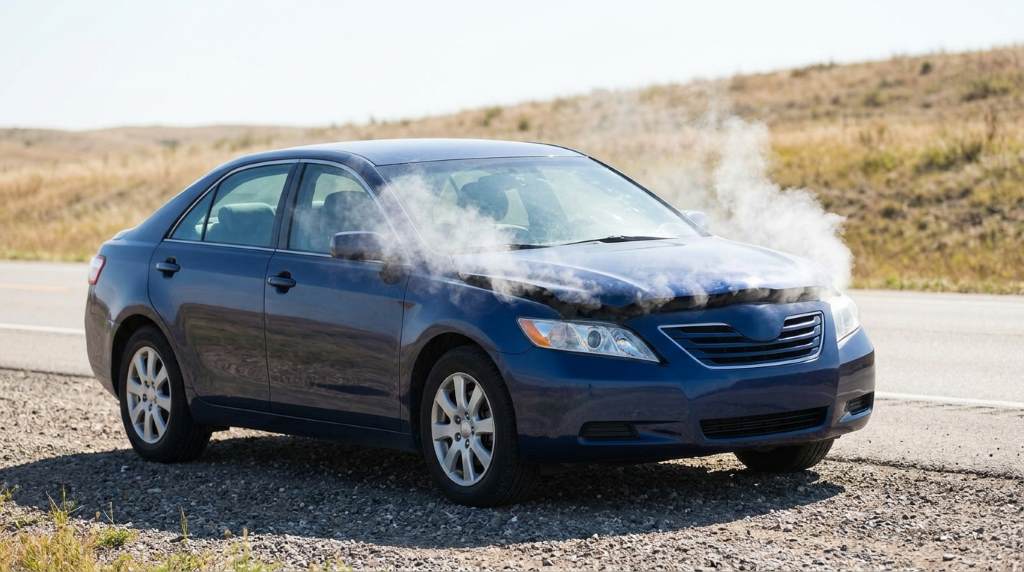
To stop engine overheating in Phoenix, AZ, maintain coolant, inspect the radiator, and monitor temperature closely. Phoenix heat can push vehicle systems hard, with recent extreme heat events reaching 115°F to 120°F. Before long trips, keep your cooling system ready, especially if you rely on reliable campervans for long drives.
Why Phoenix Heat Creates More Overheating Risk
Phoenix combines intense air temperatures, hot pavement, heavy traffic, and long periods of air conditioner use. Consequently, your engine cooling system must remove heat while the vehicle operates under demanding conditions.
During extreme heat, a weak cooling component can fail faster than expected. AAA notes that excessive heat strains cooling systems and accelerates fluid and rubber component deterioration.
Stop and go traffic creates another problem because airflow decreases when your vehicle moves slowly. Meanwhile, the engine continues producing heat while the air conditioner adds another load.
Therefore, Phoenix drivers should treat cooling system maintenance as routine summer preparation. A small leak or worn belt can become a serious roadside breakdown when temperatures climb.
Check Coolant Before Phoenix Driving
Coolant carries engine heat toward the radiator, where airflow helps release that heat. However, low coolant can reduce heat transfer and allow engine temperatures to rise quickly.
Check the coolant reservoir when the engine sits completely cool. The level should remain between the manufacturer’s marked minimum and maximum lines.
Never remove a radiator cap while the engine remains hot. Pressurized coolant can cause severe burns, so let the system cool before opening anything.
Also, use only the coolant type specified for your vehicle. Different coolant formulas can have different chemical requirements, so follow your owner’s manual carefully.
Furthermore, inspect the reservoir for repeated level drops between checks. A cooling system should not continually lose coolant, so unexplained loss usually needs professional diagnosis.
For vehicles with a history of cooling problems, review maintenance records before another hot weather trip. An HPI check include discussion can also help buyers understand broader vehicle history before purchasing used transportation.
Inspect The Radiator, Hoses, And Cooling Fan
The radiator needs clear airflow and proper coolant circulation to control engine temperature. Dirt, bent fins, leaks, or restricted airflow can reduce cooling performance.
First, inspect the radiator area for heavy debris and visible damage. Then, check accessible hoses for cracks, swelling, soft spots, or obvious coolant residue.
Next, examine the cooling fan operation according to your vehicle’s design and service instructions. A failed electric fan can cause temperatures to rise quickly during slow Phoenix traffic.
Also, inspect the serpentine belt for visible cracking, fraying, or severe wear. A damaged belt can affect components that support coolant circulation on some engines.
AAA recommends checking hoses and drive belts for deterioration before extreme summer driving. Replacing worn components early can reduce the chance of heat related breakdowns.
If you plan to rent transportation during extreme weather, inspect the vehicle before leaving the lot. A useful rent a car guide can help you review basic vehicle condition before departure.
Monitor Engine Temperature While Driving
Your dashboard temperature gauge provides an important early warning. Learn its normal position before driving through Phoenix during the hottest part of the day.
If the gauge rises above normal, reduce engine load and find a safe place to stop. Do not wait for steam before taking action.
Warning lights also deserve immediate attention, especially when they appear with reduced engine power. Together, these signs can indicate a cooling system problem that needs professional inspection.
Keep checking the gauge during long drives, traffic delays, and steep climbs. These situations can increase engine workload and expose weaknesses within the cooling system.
Additionally, avoid assuming that a normal gauge always means everything works correctly. Temperature sensors can fail, so unusual smells, steam, or coolant loss still require attention.
Use The Air Conditioner Wisely In Heavy Traffic
Phoenix drivers depend heavily on air conditioning during summer. However, an already stressed engine may struggle when cooling system problems combine with heavy traffic.
If the temperature gauge begins climbing, reduce unnecessary engine load and turn off the air conditioner. Then, pull over safely and shut down the engine if the temperature continues rising.
Do not sacrifice personal safety by driving without necessary cabin cooling during dangerous heat. Instead, move toward a safe location and request professional roadside assistance when conditions become unsafe.
A properly functioning air conditioner also helps maintain driver alertness during extreme heat. Therefore, have weak cooling performance inspected before demanding summer trips.
Maintain Engine Oil And Other Fluids
Engine oil does more than lubricate moving parts because it also helps carry heat away. Low oil levels can increase friction and raise engine operating temperatures.
Check your oil level on a level surface according to the manufacturer’s instructions. Keep the oil within the recommended range and use the specified viscosity.
Transmission fluid and other vehicle fluids also support proper operation under high temperatures. Low fluid levels can increase mechanical stress and contribute to heat related problems.
AAA recommends checking coolant, engine oil, transmission fluid, power steering fluid, and brake fluid. Use only fluids that match the manufacturer’s specifications.
Schedule an oil change according to your vehicle’s maintenance plan rather than waiting for overheating symptoms. Regular maintenance can identify low fluid levels and developing leaks earlier.
Reduce Overheating During Phoenix Traffic
Heavy traffic forces the engine to work while vehicle speed remains low. Therefore, plan routes that reduce prolonged congestion whenever practical.
Try driving during cooler morning or evening periods when your schedule allows. Lower ambient temperatures can reduce thermal stress on the vehicle.
Keep a steady pace instead of repeatedly accelerating and braking in congested areas. Smooth driving reduces unnecessary engine workload and can improve overall fuel efficiency.
Leave enough following distance so you can avoid aggressive acceleration. Also, avoid unnecessary idling when conditions allow you to shut the engine down safely.
Before a long trip, check traffic conditions and consider alternative routes. A few minutes of planning can reduce prolonged exposure to extreme heat and congestion.
Know What To Do When Your Engine Overheats
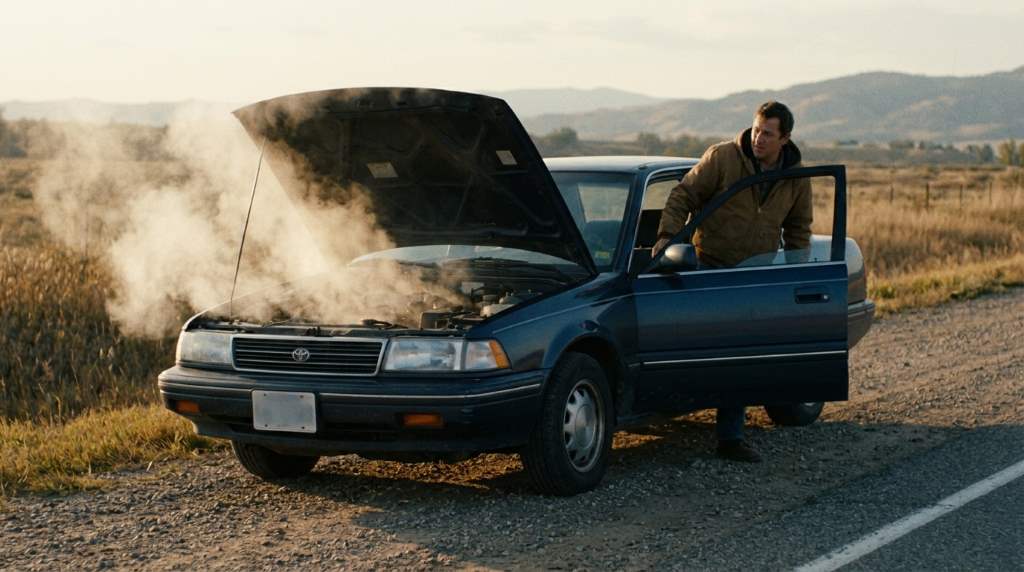
When the temperature gauge reaches the danger zone, treat the situation as an emergency. Pull over safely, activate your hazard lights, and stop the engine.
Move away from traffic when you can do so safely. If the vehicle produces steam, avoid opening the cooling system immediately.
Wait for the engine and cooling system to cool before inspecting fluid levels. Hot pressurized coolant can cause severe burns when released suddenly.
Do not continue driving simply because the temperature drops temporarily. Repeated overheating can cause expensive internal engine damage.
Call roadside assistance or arrange a tow when overheating continues. AAA specifically recommends professional assistance instead of continuing to drive an overheating vehicle.
Build A Phoenix Summer Vehicle Checklist
A simple inspection routine can prevent many heat related breakdowns. Complete these checks before demanding drives, especially during extreme heat.
- Coolant: Check the reservoir when the engine is cold.
- Oil: Confirm the level and follow the recommended service interval.
- Radiator: Look for leaks, debris, damaged fins, and restricted airflow.
- Hoses: Inspect for cracks, swelling, soft spots, or leaks.
- Belts: Look for visible wear, cracking, or fraying.
- Cooling fan: Have abnormal fan operation inspected promptly.
- Temperature gauge: Learn its normal position and watch for changes.
- Air conditioning: Address weak cooling before extreme weather trips.
- Tires: Check pressure according to the manufacturer’s specification.
- Emergency supplies: Carry water, a phone charger, and basic roadside equipment.
AAA also recommends regular battery testing because extreme heat can shorten battery life. Most automotive batteries typically last about three to five years, although conditions affect service life.
When To Visit A Phoenix Auto Repair Shop
Some overheating problems require diagnosis rather than simple maintenance. Persistent coolant loss, repeated temperature spikes, or visible leaks deserve professional inspection.
A technician can test the cooling system for leaks and evaluate the radiator, thermostat, water pump, hoses, fan, and related components. This approach helps identify the actual cause instead of treating only the symptom.
Do not ignore sweet coolant smells, steam, unusual engine noises, or unexplained power loss. These warning signs can indicate overheating or another mechanical problem.
Likewise, investigate repeated overheating even when the vehicle seems to recover afterward. Temporary recovery does not mean the underlying fault disappeared.
If you regularly travel in extreme heat, ask your technician to inspect the complete cooling system. Preventive service usually makes more sense than waiting for a roadside failure.
Keep Your Steering Area And Cabin Ready
Vehicle preparation should cover the cabin as well as the engine bay. Clean controls and an organized interior make long summer drives easier to manage.
Dust and grime can accumulate on frequently touched surfaces during regular driving. A practical steering wheel cleaners guide can help maintain this high contact area.
More importantly, keep essential emergency items within easy reach. Store drinking water, a phone charger, a flashlight, and basic roadside supplies where passengers can access them.
Never leave children or pets unattended inside a parked vehicle. Extreme heat can make vehicle interiors dangerously hot within a short time.
Prevent Overheating With A Simple Maintenance Schedule
Prevention works best when you turn inspections into a routine. Check fluid levels regularly and inspect visible cooling components before extended drives.
Follow the maintenance schedule in your owner’s manual for coolant service and other repairs. Modern coolant can last for years, but the correct replacement interval depends on your vehicle.
Before summer road trips, schedule a professional inspection if your vehicle shows any warning signs. This step can reveal small problems before Phoenix heat exposes them.
After driving through severe conditions, check beneath the vehicle for new leaks. Early detection gives you more repair options and reduces the chance of major engine damage.
Final Takeaway: Protect Your Engine Before It Overheats
The best way to stop engine overheating in Phoenix is to prevent cooling system failures before extreme heat exposes them. Check coolant, oil, hoses, belts, radiator airflow, fans, and temperature readings regularly.
Additionally, reduce unnecessary engine strain during heavy traffic and plan demanding drives carefully. If your temperature rises or steam appears, stop driving and seek professional help.
Start with a cooling system inspection before your next major Phoenix trip. Taking action early can protect your engine, reduce repair costs, and keep your summer driving safer.
Frequently Asked Questions
Why does my car overheat in Phoenix?
Extreme temperatures increase cooling demands, while low coolant, failed fans, leaks, or worn components can trigger overheating.
Can low coolant cause engine overheating?
Yes, low coolant can reduce heat transfer and cause engine temperatures to rise beyond normal operating levels.
Should I drive if my temperature gauge reaches red?
No, pull over safely, shut down the engine, and arrange professional assistance instead of continuing to drive.
How often should I check coolant in Phoenix?
Check the coolant reservoir regularly when the engine is cold and inspect it before long trips.
Can Phoenix traffic make a car overheat?
Yes, slow traffic reduces airflow while the engine and air conditioner continue producing substantial heat.