
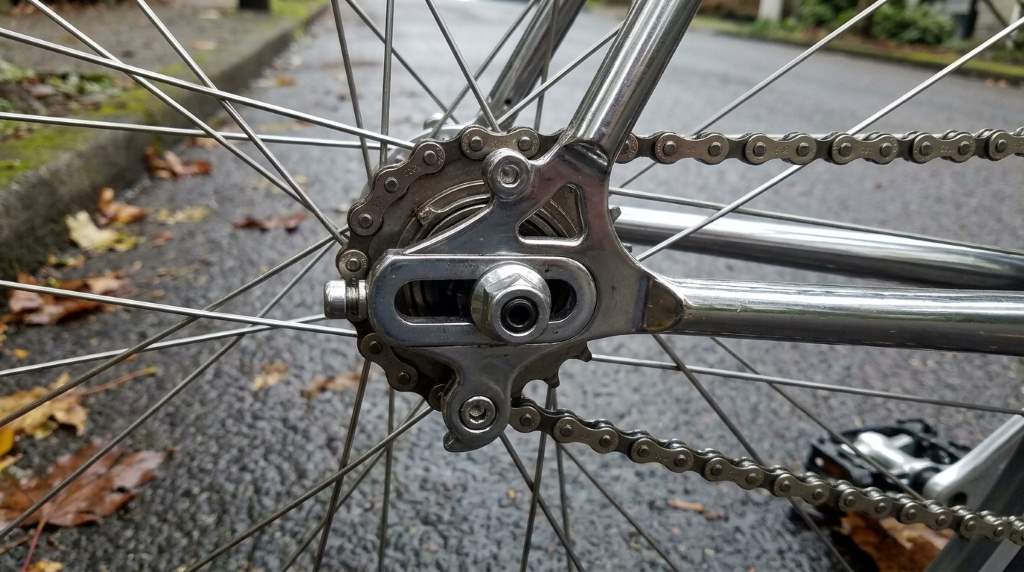
Rear wheel couplers usually slip on Portland hills because steep grades multiply pulling force, while loose hardware reduces clamping strength. Portland now has 462.1 centerline miles of bikeways, so riders regularly encounter varied terrain and demanding routes. A properly fitted bike trailer stroller combo can still perform reliably when you match the coupler to the bicycle and load.
Key Takeaways
- Steep grades: Hills increase the pulling force between your bicycle and trailer.
- Loose hardware: A slightly loose coupler can shift noticeably under climbing loads.
- Axle mismatch: Incorrect axle spacing or hardware can prevent secure coupler seating.
- Heavy loads: Excess cargo increases tongue force and stresses the attachment point.
- Wet conditions: Portland rain can encourage corrosion, contamination, and reduced friction.
- Correct setup: Proper alignment, tightening, and inspection greatly reduce unwanted movement.
How Portland Hills Expose Coupler Problems
A rear wheel coupler connects the trailer tongue to the bicycle near the rear axle. Unlike a flat-road ride, climbing forces the trailer to pull backward and downward against that connection.
Portland’s terrain makes this effect easier to notice because riders encounter slopes across several neighborhoods. The city’s network also includes more than 100 miles of neighborhood greenways, creating many practical cycling routes.
When the bicycle climbs, the trailer resists forward movement because gravity acts against its mass. Consequently, the coupler experiences greater longitudinal force than it sees during steady riding on level pavement.
That extra force does not automatically mean the coupler has failed. Instead, it often exposes a setup problem that remained unnoticed during easier rides.
For family riding, route selection matters as much as equipment preparation. Riders can review child friendly bike rests for ideas about comfort-focused planning before tackling demanding terrain.
The Hill Magnifies Small Installation Errors
A coupler can appear secure while sitting slightly crooked against the axle. However, climbing torque can turn that small alignment error into noticeable lateral movement.
Similarly, a nut that feels tight by hand may lack the clamping force required for repeated hill climbing. Vibration, braking, and repeated loading can gradually increase that movement.
Therefore, inspect the entire attachment rather than tightening one visible fastener. The axle, washer, coupler plate, nut, and trailer arm must work together.
Five Mechanical Reasons Rear Wheel Couplers Slip
Most slipping problems come from mechanical factors rather than Portland’s hills themselves. The terrain simply places greater demand on an attachment that may already have limited security.
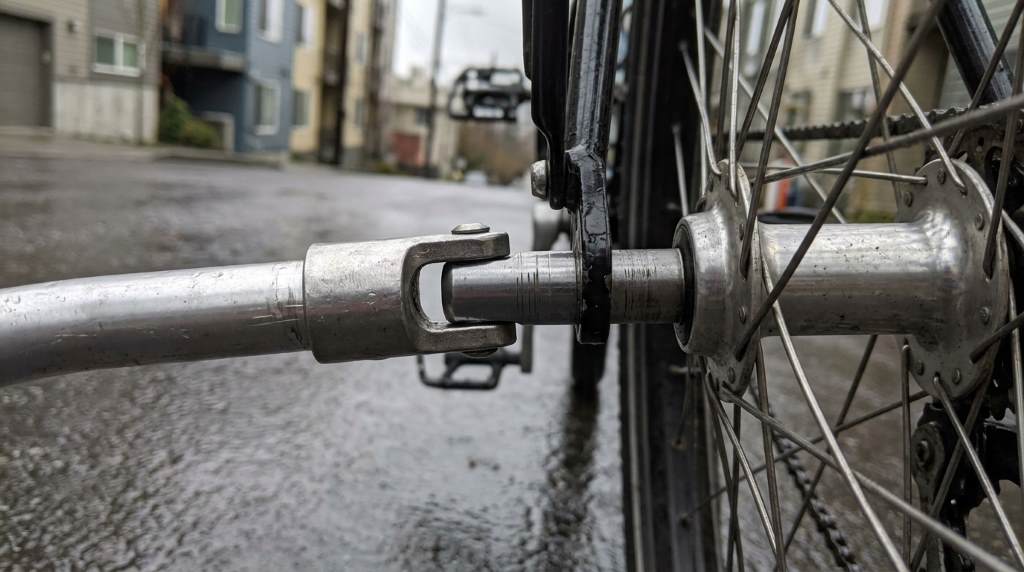
1. Insufficient Clamping Force
The coupler needs strong clamping force to resist rotation around the rear axle. If the axle nut remains under-tightened, the coupler can move during acceleration or climbing.
First, remove dirt from the contact surfaces and inspect the mounting hardware. Then tighten the axle hardware according to the bicycle and coupler manufacturer’s specifications.
Do not rely on maximum hand strength or an arbitrary tightening method. Excessive force can damage threads, axles, or lightweight components.
2. Incorrect Axle Compatibility
Different bicycles use different axle systems, dropout widths, and attachment arrangements. A coupler designed for one configuration may not seat correctly on another.
This problem becomes especially important with quick-release systems and modern thru-axles. Before riding, confirm that the coupler specifically supports your bicycle’s axle type.
If the attachment requires an adapter, install the correct model rather than improvising with washers. A poor adapter arrangement can create uneven pressure around the mounting point.
3. Excessive Trailer Load
Every additional kilogram increases the force required to move the trailer uphill. Heavy cargo therefore places greater stress on the coupler and trailer tongue.
Distribute cargo low and evenly across the trailer floor. Avoid concentrating heavy items directly behind one wheel or near the rear of the cargo area.
Also check the trailer’s stated weight limit before loading it for a hill ride. Staying within that limit protects both handling and attachment reliability.
4. Worn or Contaminated Contact Surfaces
Grease, dirt, rust, and paint buildup can reduce the stability of mating surfaces. Likewise, worn metal can prevent the coupler from maintaining its intended position.
Clean the contact area before every detailed inspection. Replace distorted washers, damaged plates, cracked components, or visibly worn hardware immediately.
Do not compensate for damaged parts by simply tightening them harder. Replacement restores the intended mechanical interface and reduces unpredictable movement.
5. Trailer Arm Misalignment
A trailer arm should approach the coupler without forcing the connection sideways. A misaligned arm can continually load the coupler even before the bicycle starts climbing.
Place the bicycle upright and inspect the trailer from behind. The trailer should track centrally without pulling noticeably toward either side.
If the arm twists during connection, investigate the cause before riding. Forced alignment can place unnecessary stress on the coupler and axle.
How Wet Portland Weather Can Make Slipping Worse
Rain does not directly make a properly installed coupler slip. However, moisture can accelerate corrosion and help dirt accumulate around threaded and contact surfaces.
Regular wet-weather riding therefore deserves more frequent inspection. Wipe the coupler and axle area after wet rides, especially before storing the bicycle.
Look for reddish corrosion, pitting, damaged threads, or white residue around aluminum components. These signs can indicate material degradation that deserves closer inspection.
Portland’s extensive cycling infrastructure supports year-round riding, but equipment maintenance still needs to match local conditions. Current city resources describe more than 500 miles of bikeways across the network.
Helmet selection also deserves attention when hills and mixed surfaces become part of the route. Riders comparing mountain bike helmet options should prioritize secure fit and appropriate certification.
Why Corrosion Matters Mechanically
Corrosion can change the surface geometry of washers, nuts, and threaded components. Even modest material loss can reduce reliable clamping or make inspection more difficult.
Furthermore, corrosion can make a fastener feel tight before it actually develops proper clamping force. Inspect threads and mating surfaces instead of judging security solely by resistance.
Replace compromised hardware when corrosion affects threads or load-bearing surfaces. A small replacement cost can prevent a much larger equipment failure.
How to Stop a Rear Wheel Coupler From Slipping
Start with the bicycle manufacturer’s axle requirements and the trailer manufacturer’s coupler instructions. Never assume two visually similar attachment systems use identical installation procedures.
Use This Pre-Ride Inspection
Check the following items before every demanding hill ride:
- Axle: Confirm the axle sits fully and correctly inside both dropouts.
- Coupler: Verify that the plate sits flat against its intended mounting surface.
- Hardware: Check the nut, washer, and retaining components for proper seating.
- Trailer arm: Confirm the arm remains straight and securely connected.
- Safety strap: Attach the secondary restraint exactly as instructed.
- Movement: Apply controlled hand pressure and check for abnormal play.
If you detect movement, stop and identify its source before starting the ride. A coupler should not depend on the trailer’s safety strap to compensate for primary attachment looseness.
Test the Coupler Before a Steep Climb
Perform a short test on level ground before entering a steep section. Start slowly, brake gently, and listen for clicking, scraping, or unusual movement.
Next, test the setup on a mild incline without carrying unnecessary cargo. If the coupler remains stable, gradually introduce normal riding conditions.
This staged approach helps isolate problems before they become dangerous. It also prevents a single steep climb from becoming your first equipment test.
Watch the Trailer During the Ride
Pay attention to how the trailer follows the bicycle through turns and climbs. Sudden sideways movement can indicate attachment, tire, wheel, or load-distribution problems.
Stop immediately if the trailer begins wandering or the coupling point visibly rotates. Continuing uphill can amplify the problem and make recovery harder.
For riders choosing mountain bikes for varied terrain, wheel size can also influence handling and trailer compatibility. A practical 26 vs 27.5 mountain bike comparison can help clarify handling differences.
When You Should Replace the Coupler
Replacement makes sense when the coupler develops cracks, deformation, damaged threads, or persistent looseness. You should also replace hardware when it no longer maintains the manufacturer’s specified installation condition.
Do not continue riding simply because the coupler still connects. A component can remain attached while losing the structural margin needed for repeated hill loads.
Pay particular attention to recurring movement after correct installation. Persistent slipping usually indicates compatibility, wear, alignment, or hardware problems that tightening alone cannot solve.
Warning Signs That Require Immediate Attention
- Visible cracks around the coupler plate or mounting area.
- Repeated loosening after correct installation.
- Metal deformation around the axle opening.
- Damaged or stripped threads.
- Unusual trailer movement during braking.
- Coupler rotation during moderate climbing.
Any one of these signs deserves investigation before your next ride. When structural damage appears, replacement is safer than experimentation.
How to Choose Safer Portland Hill Routes
Good route planning reduces the mechanical demand placed on the trailer connection. Portland provides citywide bike maps and route-planning resources that can help riders choose lower-stress corridors.
Choose gradual climbs when carrying children, pets, or substantial cargo. Longer routes with gentler grades can reduce sustained pulling forces while improving overall control.
Also consider traffic, surface quality, intersections, and stopping opportunities. A technically shorter route may create more braking and acceleration demands than a slightly longer alternative.
Match the Route to the Load
A lightly loaded trailer gives you more flexibility than a heavily loaded family setup. As the load increases, favor smoother surfaces and gradual elevation changes.
Before departure, estimate whether the route requires repeated steep climbs. If it does, reduce unnecessary cargo and inspect the coupler more carefully.
Route planning should support equipment reliability rather than challenge it unnecessarily. The safest setup combines compatible hardware, sensible loading, and an appropriate route.
Final Verdict: Why Rear Wheel Couplers Slip on Portland Hills
Rear wheel couplers slip on Portland hills mainly when steep climbing exposes weak clamping, poor compatibility, excessive load, contamination, or misalignment. The hill increases mechanical demand, but correct installation should keep a properly matched coupler secure.
Before your next ride, inspect the axle, coupler, hardware, trailer arm, safety strap, and load distribution. Then perform a controlled test before committing to a demanding climb.
If your coupler continues slipping after correct installation, stop using the setup until you identify the cause. Review the manufacturer’s compatibility requirements or have a qualified bicycle technician inspect the attachment.
Ready to ride more confidently? Check your coupler before your next Portland hill ride, correct any movement, and choose a route that matches your trailer’s load and capability.
FAQs
Why does my bike trailer coupler slip only uphill?
Uphill riding increases pulling force, which can expose insufficient clamping, misalignment, or axle compatibility problems.
Can a loose axle nut cause trailer coupler movement?
Yes, insufficient axle clamping can allow the coupler to rotate or shift under climbing and braking forces.
Should I tighten the coupler as much as possible?
No, use the manufacturer’s specified tightening procedure because excessive force can damage threads or components.
Does trailer weight affect coupler slipping?
Yes, heavier loads increase the force transmitted through the trailer tongue and coupler during climbs.
Is a slipping coupler safe to keep riding?
No, stop riding until you identify and correct the cause of the movement.