
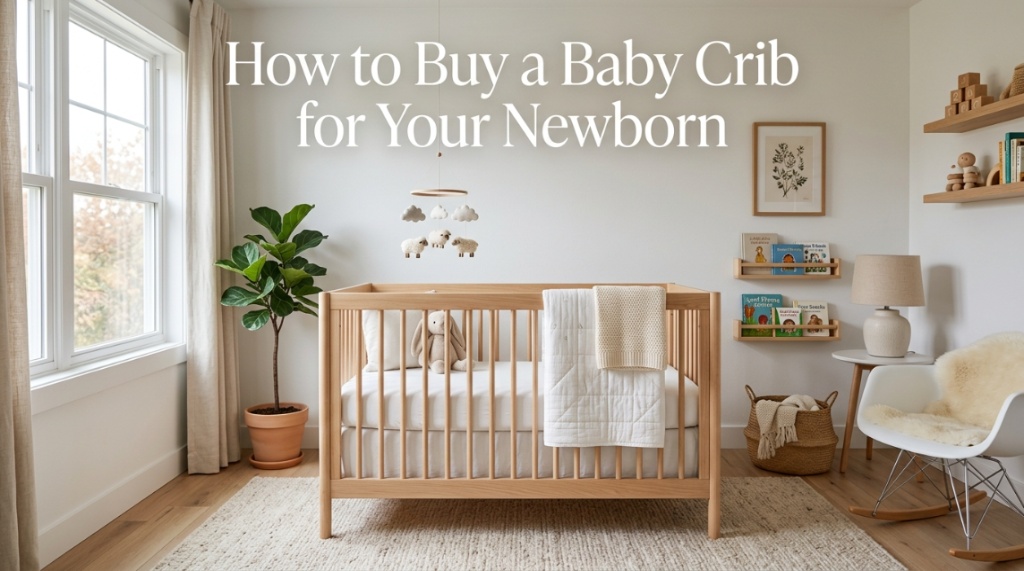
Most newborns will spend more hours in their crib during the first year than in any other piece of furniture they own. That single fact makes a baby crib checklist one of the most important tools for first-time parents. Choosing the right crib is not about finding the prettiest nursery centerpiece—it is about safety, sleep quality, durability, and long-term value. A well-chosen crib can reduce safety risks, support healthy sleep habits, and serve your child for years.
What Should First-Time Parents Know Before Buying a Baby Crib?
Direct answer: First-time parents should prioritize safety certifications, proper mattress fit, crib size, construction quality, and long-term usability before considering style or color.
Many parents begin shopping for nursery furniture by comparing designs and themes. The problem is that attractive features can distract from what truly matters. A crib that looks beautiful but lacks practical safety features can create unnecessary stress and expense later.
According to recommendations from pediatric sleep experts, babies should sleep on a firm, flat surface free from pillows, blankets, and soft bedding. The crib serves as the foundation of that safe sleep environment.
Before purchasing, parents should evaluate:
- Current safety standards
- Crib dimensions
- Mattress compatibility
- Material quality
- Adjustable mattress heights
- Conversion capabilities
- Available nursery space
- Budget versus long-term value
Parents designing a complete nursery often compare other baby equipment alongside crib options. Resources explaining how to select a space-saving baby swing for smaller nurseries can help create a more functional room layout while maintaining adequate sleep space.
What Is a Baby Crib Checklist and Why Is It Important?
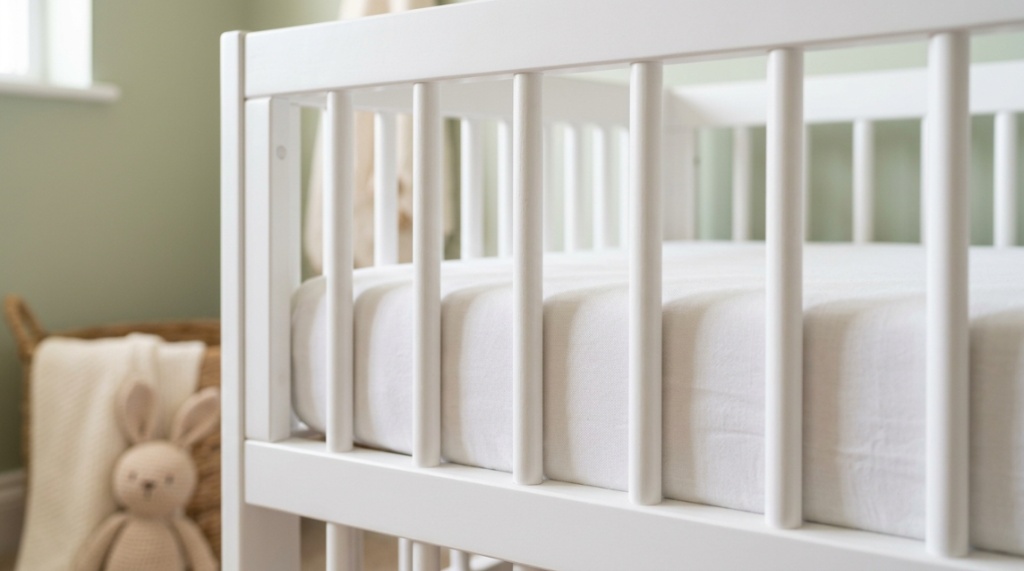
Direct answer: A crib checklist is a structured list of safety, comfort, and functionality requirements used to evaluate potential crib purchases.
A crib checklist helps parents avoid emotional buying decisions. Instead of focusing on aesthetics alone, the checklist ensures every critical factor receives proper attention.
For first-time parents, the number of crib models available can feel overwhelming. Having a clear checklist simplifies comparison shopping and reduces decision fatigue.
Essential Crib Checklist Items
- JPMA certification or equivalent safety compliance
- Fixed sides rather than drop-side designs
- Appropriate slat spacing
- Firm mattress compatibility
- Multiple mattress height positions
- Smooth finish without sharp edges
- Strong hardware and frame stability
- Non-toxic materials and finishes
- Sufficient warranty coverage
- Easy assembly instructions
Using a checklist also prevents overlooking details that become important once the baby arrives and daily routines begin.
How Can You Tell If a Baby Crib Meets Modern Safety Standards?
Direct answer: Look for compliance with current safety regulations, fixed-side construction, secure hardware, and certifications from recognized testing organizations.
Safety should always be the first filter when comparing cribs.
Modern cribs are subject to strict manufacturing requirements designed to reduce risks associated with entrapment, falls, and structural failure.
Parents should inspect:
- Sturdy frame construction
- Secure screw connections
- No missing hardware
- No decorative cutouts that could trap limbs
- Smooth edges and corners
- Stable mattress support system
Avoid purchasing older second-hand cribs unless their compliance with current safety standards can be verified. Manufacturing regulations evolve over time, and older designs may no longer meet modern recommendations.
What Safety Features Matter Most?
- Fixed side rails
- Strong mattress support platform
- Durable construction materials
- Lead-free finishes
- Secure assembly hardware
- Proper slat spacing
These features collectively create a safer sleep environment for newborns and infants.
Which Crib Size Is Best for Your Nursery?
Direct answer: The best crib size depends on available room space, future furniture plans, and whether you prefer a standard or compact crib.
Standard cribs remain the most popular choice because they accommodate babies through toddlerhood and offer the widest mattress compatibility.
However, families living in apartments or smaller homes may benefit from compact models.
| Feature | Standard Crib | Mini Crib |
|---|---|---|
| Space Required | More floor space | Smaller footprint |
| Mattress Availability | Widely available | Limited options |
| Long-Term Use | Longer lifespan | Shorter lifespan |
| Cost | Moderate to high | Generally lower |
| Best For | Growing families | Small nurseries |
Measure the nursery before purchasing. Consider space for changing tables, dressers, rocking chairs, and walking pathways.
Many parents also research feeding equipment while preparing the nursery. Understanding how modern silicone baby bottle technology improves feeding safety and convenience can help create a more complete newborn setup.
Should You Buy a Convertible Crib or a Standard Crib?
Direct answer: Convertible cribs offer greater long-term value, while standard cribs typically cost less upfront and meet immediate infant sleep needs.
Convertible cribs transform into toddler beds, daybeds, or even full-size beds depending on the model.
For many families, this flexibility reduces future furniture expenses.
Benefits of Convertible Cribs
- Extended usability
- Long-term cost savings
- Consistent bedroom furniture style
- Less frequent furniture replacement
- Adaptability as the child grows
Benefits of Standard Cribs
- Lower initial investment
- Simpler construction
- Easier assembly
- Greater model variety
Families planning multiple children may especially benefit from investing in a durable convertible option.
What Materials Are Best for a Baby Crib?
Direct answer: Solid hardwood and high-quality engineered wood with non-toxic finishes generally provide the best balance of durability, safety, and value.
The material affects not only appearance but also structural integrity and longevity.
Common crib materials include:
- Solid wood
- Engineered wood
- Metal
- Mixed-material construction
Solid wood cribs often provide superior durability and resistance to wear. Popular choices include pine, maple, oak, and birch.
Parents should verify that paints, stains, and finishes are certified safe for nursery use.
Are Eco-Friendly Cribs Worth Considering?
Yes. Eco-friendly cribs may use sustainably sourced wood, low-VOC finishes, and environmentally responsible manufacturing methods.
These features can help reduce indoor chemical exposure while supporting sustainable production practices.
How Important Is the Crib Mattress Fit?
Direct answer: Proper mattress fit is critical because gaps between the mattress and crib frame can create safety hazards.
A firm mattress designed specifically for the crib model should fit snugly inside the frame.
Parents should not be able to fit more than two fingers between the mattress edge and crib side.
Signs of proper mattress fit include:
- No visible gaps
- Flat sleeping surface
- Firm support
- Stable positioning
- No shifting during movement
Soft mattresses may appear comfortable, but infant sleep safety guidelines consistently recommend firm sleep surfaces.
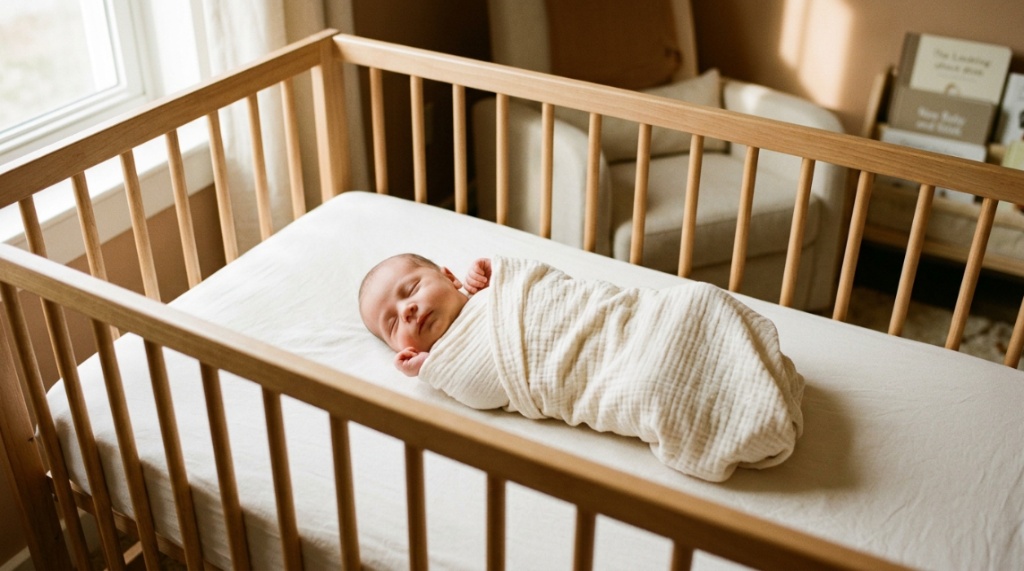
Which Features Make Daily Parenting Easier?
Direct answer: Adjustable mattress heights, easy assembly, accessible design, and durable construction improve everyday convenience.
While safety remains the top priority, convenience features can significantly improve daily caregiving.
Useful Convenience Features
- Three or more mattress height positions
- Tool-friendly assembly system
- Clearly labeled hardware
- Easy cleaning surfaces
- Scratch-resistant finish
- Conversion kit compatibility
For newborns, higher mattress settings reduce strain on parents’ backs. As babies become more mobile, the mattress can be lowered to maintain safety.
Do Storage Drawers Matter?
Built-in storage can be helpful in small nurseries, but storage should never compromise crib stability or safety.
If selecting a crib with drawers, inspect the frame carefully to ensure structural strength remains intact.
How Much Should First-Time Parents Spend on a Baby Crib?
Direct answer: Most quality cribs fall between $150 and $600, although premium models may exceed that range.
Price alone does not determine quality. Many affordable cribs meet stringent safety standards and provide excellent functionality.
When budgeting, consider total ownership costs:
- Crib purchase price
- Mattress cost
- Mattress protector
- Conversion kits
- Replacement hardware
- Future furniture needs
Parents often save money by choosing durable products that remain useful through multiple developmental stages.
What Mistakes Should Parents Avoid When Buying a Crib?
Direct answer: Avoid prioritizing appearance over safety, ignoring measurements, buying incompatible mattresses, and overlooking future needs.
Many purchasing regrets stem from rushing the decision process.
Common Crib Buying Mistakes
- Choosing style before safety
- Ignoring nursery dimensions
- Buying an incorrect mattress size
- Skipping assembly reviews
- Purchasing outdated second-hand cribs
- Forgetting future conversion costs
- Ignoring warranty information
- Not checking safety certifications
A thoughtful comparison process helps parents avoid unnecessary expenses and frustration.
Where Can Parents Find Reliable Crib Recommendations?
Direct answer: Trusted parenting resources, safety organizations, verified customer reviews, and expert product comparisons provide the most reliable guidance.
Before making a final purchase, compare multiple crib models using objective criteria rather than marketing claims alone.
Parents looking for detailed product comparisons can review this comprehensive guide to top-rated baby cribs and safety-focused nursery options to evaluate popular models based on practical buying considerations.
Reading verified reviews often reveals real-world insights regarding assembly difficulty, durability, and long-term satisfaction.
Conclusion: How Do You Choose the Right Baby Crib With Confidence?
Direct answer: Choose a crib that meets current safety standards, fits your nursery, accommodates a properly fitted mattress, and supports your family’s long-term needs.
Buying a crib is one of the most important nursery decisions first-time parents will make. The right choice creates a safe sleep environment, simplifies daily routines, and provides lasting value as your child grows.
Using a structured crib checklist allows parents to compare options objectively, avoid common mistakes, and focus on the features that matter most. Safety certifications, mattress compatibility, durable materials, and practical functionality should always take priority over appearance alone.
For additional guidance on building a complete newborn setup, including feeding essentials and nursery planning, explore expert resources such as this overview of innovative baby bottle materials and infant care products.
Start your crib search with confidence, compare carefully, and invest in a safe sleep solution that supports both your baby and your growing family.
Frequently Asked Questions About Buying a Baby Crib
What is the safest crib for a newborn?
The safest crib is one that meets current safety standards, uses fixed sides, includes secure hardware, and supports a firm, properly fitted mattress.
Can a newborn sleep in a crib from day one?
Yes. A crib designed according to modern safety requirements provides an appropriate sleep environment for newborns from birth.
How long can a baby use a standard crib?
Most babies use a standard crib until approximately 2–3 years of age, depending on size, mobility, and developmental milestones.
Is a convertible crib worth the extra cost?
For many families, yes. Convertible cribs can transition into toddler or larger beds, potentially reducing future furniture expenses.
Should I buy a used baby crib?
Only if you can verify compliance with current safety regulations, confirm structural integrity, and ensure no recalls have affected the model.
How firm should a crib mattress be?
A crib mattress should feel firm and maintain its shape under pressure. Firm surfaces are recommended for infant sleep safety.
What should not be placed inside a crib?
Avoid pillows, blankets, stuffed animals, crib bumpers, and loose bedding. A fitted sheet over a firm mattress is generally sufficient for safe infant sleep.