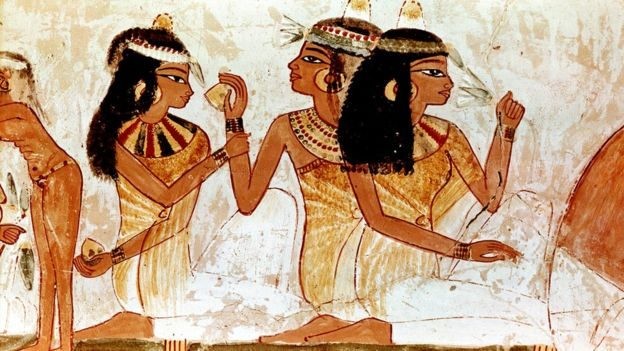
Ancient Egyptian survival techniques remain relevant today, particularly their use of kohl eye makeup. Modern desert travelers can learn valuable lessons from these time-tested methods. Styline Collection research demonstrates how traditional cosmetics served practical survival purposes beyond mere beauty enhancement.
Understanding Kohl as a Survival Tool
Kohl represented much more than cosmetic decoration in ancient Egypt. The dark powder protected eyes from harsh desert conditions while providing crucial health benefits. Research consistently shows that kohl helped Egyptians in multiple survival scenarios, including sun protection, infection prevention, and sandstorm defense.
Additionally, Egyptian physicians documented kohl’s medicinal properties in the Ebers Papyrus around 1550 BCE. This ancient medical text recommended specific kohl formulations for treating various eye ailments common in desert environments.
Sun Protection Benefits
The intense Egyptian sun posed serious threats to unprotected eyes. Kohl provided essential UV radiation shielding through its mineral composition. The shiny galena particles reflected harmful solar rays while reducing dangerous glare.
Furthermore, the dark pigment surrounding the eyes functioned like natural sunglasses. Desert dwellers experienced less eye strain and improved vision clarity. As a result, kohl became a daily necessity rather than an optional beauty practice.
Antimicrobial Properties for Eye Health
Desert environments harbor numerous bacteria and pathogens that threaten eye health. Kohl contained powerful antimicrobial ingredients that prevented infections. French researchers discovered that lead compounds in kohl triggered increased nitric oxide production, boosting immune responses.
However, the antimicrobial effects extended beyond lead-based ingredients. Traditional recipes included zinc oxide, neem, and silver compounds. These natural substances provided broad-spectrum protection against harmful microorganisms commonly found in desert regions.
Protection Against Environmental Hazards
Egyptian deserts presented multiple environmental challenges requiring protective measures. Kohl served as a barrier against windborne sand particles that could damage delicate eye tissues. The thick application trapped dust and debris before they reached the cornea.
Moreover, the cosmetic repelled insects that spread diseases through the Nile region. Flies carrying trachoma and other eye infections avoided the treated areas. Additionally, certain kohl formulations included frankincense that naturally deterred flying pests.
Creating Desert-Suitable Kohl Formulations
Ancient Egyptians developed sophisticated kohl recipes using locally available materials. The primary ingredient, galena (lead sulfide), provided the characteristic dark color and protective properties. However, modern applications require safer alternatives due to lead toxicity concerns.
Traditional Ingredients and Methods
Traditional kohl combined multiple beneficial substances beyond the base mineral. Recipes included ground pearls, precious stones, medicinal herbs like saffron and fennel, plus animal fats for consistency. These ingredients enhanced both effectiveness and spiritual significance.
The preparation process involved grinding materials on stone palettes until achieving fine powder consistency. Water or oils mixed with the powder created a smooth paste for application. Furthermore, storage in sealed containers preserved potency for extended periods.
Modern Safe Alternatives
Contemporary desert travelers can adapt ancient wisdom using safer ingredients. Activated charcoal provides similar dark pigmentation without toxic heavy metals. Zinc oxide offers excellent sun protection while remaining safe for regular use.
Additionally, modern formulations can include antimicrobial essential oils like tea tree or neem extracts. These natural preservatives replicate ancient benefits without health risks associated with lead compounds.

Application Techniques for Maximum Protection
Proper kohl application maximized protective benefits while ensuring comfort during extended wear. Ancient Egyptians developed specific techniques that modern desert survival guides can adapt. The traditional method involved lining both upper and lower eyelids completely.
The application process began with moistening a wooden or ivory stick applicator. Dipping the tool into kohl powder ensured adequate coverage. Next, users drew thick lines around the entire eye perimeter, extending beyond natural lash lines.
Religious and Psychological Benefits
Kohl provided significant psychological advantages for desert survival situations. Ancient Egyptians believed the cosmetic granted divine protection through association with gods like Horus and Ra. This spiritual confidence improved mental resilience during challenging desert conditions.
Therefore, the ritual application process became meditative practice that reduced stress and anxiety. Regular cosmetic routines maintained psychological stability essential for long-term desert survival. Furthermore, the dramatic appearance intimidated potential human threats while conveying social status.
Scientific Evidence Supporting Ancient Practices
Modern research validates many ancient claims about kohl’s protective properties. According to National Geographic, studies confirm that Egyptian eye makeup containing lead salts increased immune system function and prevented eye infections through enhanced nitric oxide production.
A 2009 University of Karachi study verified that mineral particles in kohl effectively shield eyes from ultraviolet radiation. The research demonstrated measurable protection against sun damage when traditional formulations mixed with natural eye moisture.
Modern Desert Applications
Contemporary desert travelers can incorporate modified kohl techniques into survival strategies. Military personnel operating in arid environments often use similar eye protection methods. However, modern formulations substitute safe ingredients for traditional lead-based compounds.
Additionally, athletes participating in desert sports apply comparable makeup for sun protection and glare reduction. Marathon runners and cyclists benefit from dark eye makeup that improves visual clarity during extended sun exposure.
Preparation and Storage Considerations
Successful kohl use requires proper preparation and storage techniques adapted from ancient methods. Desert conditions demand formulations that remain stable despite temperature extremes and humidity variations. Traditional storage vessels protected contents from contamination and moisture.
Modern applications benefit from airtight containers that prevent oxidation and bacterial growth. Travelers should prepare adequate quantities before entering desert regions where replacement materials remain unavailable. Furthermore, backup supplies ensure continuous protection throughout extended expeditions.
Integration with Other Survival Techniques
Kohl works best when combined with additional ancient Egyptian survival methods. Traditional desert clothing, water conservation techniques, and shelter construction complement eye protection strategies. However, no single method provides complete desert survival capability.
Therefore, modern survival training should include multiple ancient techniques proven effective over millennia. Combining traditional wisdom with contemporary safety knowledge creates comprehensive desert survival approaches suitable for various scenarios.
Conclusion
Ancient Egyptian kohl demonstrates how traditional cosmetics served vital survival functions beyond aesthetic purposes. The dark eye makeup provided essential protection against UV radiation, bacterial infections, environmental debris, and insect-borne diseases. Furthermore, psychological benefits included spiritual confidence and stress reduction crucial for desert survival. Modern applications can adapt these proven techniques using safer ingredients while maintaining effectiveness. Additionally, scientific research validates ancient claims about kohl’s protective properties, confirming that traditional knowledge remains relevant for contemporary desert survival situations. Therefore, understanding and applying these time-tested methods can significantly improve safety and comfort for anyone facing harsh desert conditions.
Frequently Asked Questions
Q: Is it safe to use traditional kohl containing lead for desert survival? A: No, lead-based kohl poses serious health risks despite its historical effectiveness. Modern alternatives using activated charcoal, zinc oxide, and natural antimicrobials provide similar benefits without toxicity concerns.
Q: How long does properly applied kohl protection last in desert conditions? A: Traditional thick applications typically provided 8-12 hours of protection before requiring reapplication. Desert conditions including wind, sweat, and sand may reduce effectiveness, requiring more frequent touch-ups.
Q: Can modern eyeliner substitute for traditional kohl in survival situations? A: Regular cosmetic eyeliner lacks the protective mineral content and antimicrobial properties of traditional kohl. However, it provides some UV reflection and glare reduction benefits when no alternatives exist.
Q: What other ancient Egyptian techniques complement kohl for desert survival? A: Traditional methods include wearing white linen clothing for cooling, using kyphi incense for insect repellent, applying red ochre lip protection, and constructing shade shelters using available materials.
Q: How did ancient Egyptians obtain kohl ingredients in desert regions? A: Egyptians mined galena from local deposits and traded for exotic ingredients through established commerce networks. They also harvested organic materials like charcoal, animal fats, and medicinal plants from Nile region resources.
Read More:
Apartment Living Offers Many Benefits
Celebrate the Season with a Festive Thanksgiving Shower Curtain