

Electronic banking has transformed how we handle money transactions. Therefore, many people encounter unfamiliar terms on their bank statements. One such term that often causes confusion is “EF ATM deposit.” Understanding these banking codes helps you track your finances more effectively. Additionally, platforms like Tradeizze provide valuable resources to help users navigate complex financial terminology.
When you see “EF ATM deposit” on your bank statement, it simply means an electronic funds deposit made at an ATM machine. However, this straightforward definition requires more context to fully understand its implications. The ef atm deposit process involves specific banking protocols that ensure secure money transfers. Furthermore, these deposits follow strict verification procedures to protect both customers and financial institutions.
Modern banking systems use various codes to categorize different types of transactions. Consequently, EF ATM deposits represent just one category among many electronic transfer types. These codes help banks process transactions efficiently while maintaining accurate records for regulatory compliance.
Understanding EF ATM Deposit Transactions
Electronic funds transfers have become the backbone of modern banking operations. Therefore, EF ATM deposits represent a significant portion of daily banking activities. These transactions occur when you deposit money into an ATM rather than visiting a bank branch. However, the process involves several behind-the-scenes steps that most customers never see.
The “EF” prefix stands for “Electronic Funds,” indicating that the transaction processed through electronic systems. Additionally, the “ATM” portion specifies that the deposit occurred at an Automated Teller Machine. This combination creates a unique identifier that banks use for tracking and categorization purposes.
Banks require these specific codes for several important reasons. First, they help categorize transactions for accounting purposes. Second, these codes assist in fraud detection and prevention. Furthermore, regulatory agencies require detailed transaction records for compliance monitoring.
How EF ATM Deposits Work
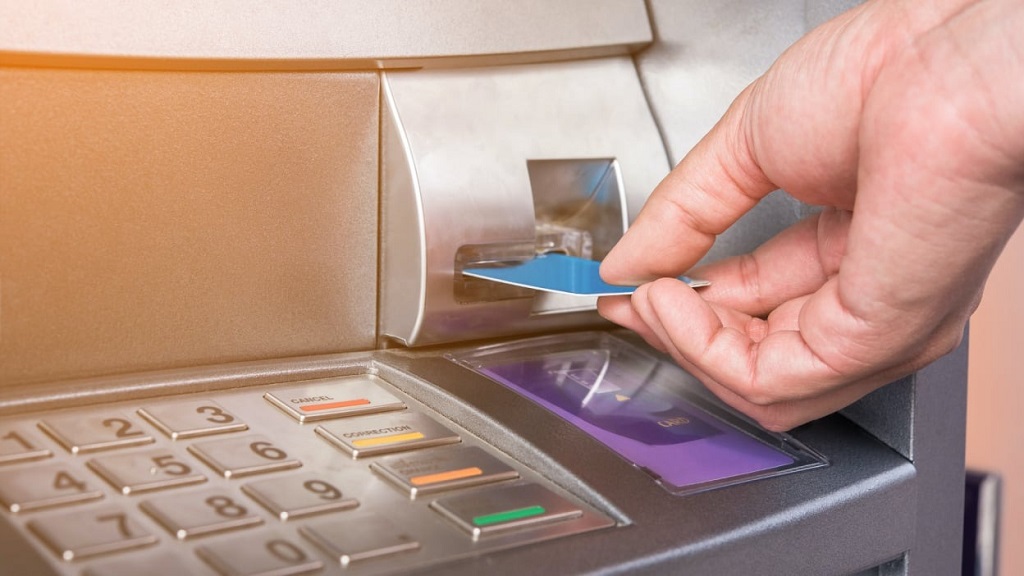
The EF ATM deposit process begins when you insert your debit or credit card into an ATM machine. Subsequently, you select the deposit option and follow the on-screen instructions. The machine scans your deposit envelope or individual bills and checks. However, the actual crediting process takes additional time for verification.
Most banks place temporary holds on EF ATM deposits until they can verify the contents. Therefore, you might not see the full deposit amount immediately available in your account. This verification process typically takes one to two business days for cash deposits. However, check deposits may take longer depending on the issuing bank.
The ATM machine communicates with your bank’s central processing system during the transaction. Additionally, it generates a receipt containing important transaction details. This receipt serves as your proof of deposit until the transaction appears on your official bank statement.
Common Reasons for EF ATM Deposit Confusion
Many people feel confused when they first encounter EF ATM deposit entries on their statements. However, this confusion typically stems from unfamiliarity with banking terminology rather than actual problems. The most common source of confusion involves timing differences between making deposits and seeing them reflected in account balances.
Another frequent concern involves deposit amounts that don’t match expectations. Therefore, customers worry about potential errors or fraud. However, most discrepancies result from holds placed on deposited checks or partial availability of funds. Banks implement these policies to protect themselves and customers from potential losses due to returned checks.
Some customers also worry about security when they see unfamiliar transaction codes. Additionally, they might not remember making specific deposits if several days have passed. These concerns highlight the importance of keeping detailed personal financial records and saving ATM receipts.
Benefits of Using EF ATM Deposits
EF ATM deposits offer several advantages over traditional branch banking. First, they provide 24-hour accessibility for most banking needs. Therefore, you can make deposits outside normal business hours when convenient for your schedule. This flexibility particularly benefits people with demanding work schedules or limited transportation options.
Additionally, EF ATM deposits typically process faster than mailed deposits. The electronic nature of these transactions reduces processing time and minimizes the risk of lost paperwork. Furthermore, you receive immediate confirmation of your deposit attempt through printed receipts.
Modern ATMs also offer enhanced security features that protect your transaction data. However, you should still take reasonable precautions when using any banking equipment in public locations. These security measures include encryption technology and surveillance systems that monitor ATM areas.
Potential Issues and Solutions
Despite their convenience, EF ATM deposits can occasionally present challenges. Therefore, understanding common problems helps you respond appropriately when issues arise. The most frequent problem involves ATM malfunctions that affect deposit processing. However, banks maintain detailed transaction logs that help resolve these situations quickly.
Sometimes deposits might not appear on your account as expected. Additionally, you might see partial credits rather than full deposit amounts. These situations typically result from bank policies regarding fund availability rather than actual problems with your deposits. Most banks provide clear explanations of their hold policies in account documentation.
If you experience problems with EF ATM deposits, contact your bank immediately. Furthermore, save all receipts and document the details of your transactions. This information helps bank representatives investigate and resolve issues more efficiently.
Best Practices for EF ATM Deposits
Following proper procedures ensures smooth EF ATM deposit experiences. Therefore, always count your cash and checks carefully before visiting the ATM. Additionally, organize your deposit materials to minimize time spent at the machine. This preparation reduces the risk of errors and helps maintain security.
Always save your ATM receipts until deposits appear on your bank statements. However, store these receipts securely to protect your account information. Furthermore, compare receipt details with your bank statements to identify any discrepancies quickly.
Consider using mobile banking apps to monitor your account activity between statement periods. Therefore, you can track pending deposits and available balances in real time. This monitoring helps you manage your finances more effectively and identify potential issues early.
Conclusion
EF ATM deposits represent a convenient and secure method for adding funds to your bank account. However, understanding the process and terminology helps you use these services more effectively. The electronic nature of these transactions provides speed and accessibility while maintaining security standards. Additionally, following best practices ensures smooth experiences and helps you avoid common problems.
Remember that EF ATM deposits are just one part of modern electronic banking services. Therefore, familiarizing yourself with various transaction types improves your overall financial management capabilities. Furthermore, maintaining good record-keeping habits protects you and simplifies banking relationships.
Frequently Asked Questions
What does EF ATM deposit mean on my bank statement?
EF ATM deposit means you made an electronic funds deposit at an ATM machine. However, the specific timing and amount should match your personal records of ATM transactions.
How long do EF ATM deposits take to process?
Most EF ATM deposits process within one to two business days for cash. Therefore, check deposits might take longer depending on the issuing bank and your account history.
Can I make EF ATM deposits at any ATM?
You can typically make deposits at ATMs belonging to your bank or partner networks. However, some banks restrict deposit capabilities to their own ATM machines for security reasons.
What should I do if my EF ATM deposit doesn’t appear?
Contact your bank immediately if deposits don’t appear within expected timeframes. Additionally, provide your receipt and transaction details to help representatives investigate the issue.
Are EF ATM deposits safe and secure?
EF ATM deposits use encryption and security protocols to protect your information. Therefore, these transactions are generally safe when you follow proper security precautions at ATM locations.