
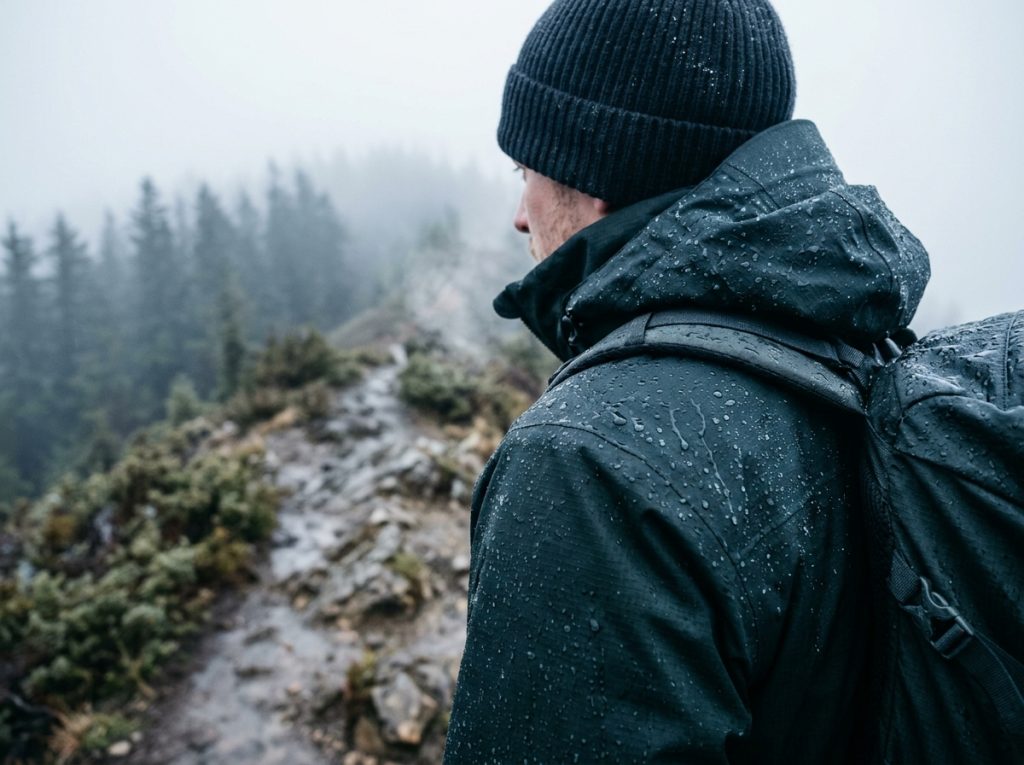
Cold rain is the toughest condition in winter fishing. It soaks through cotton, numbs your hands, and turns a promising day on the water into a short, uncomfortable one. Knowing how to dress and prepare for fishing in winter rain changes the experience from endurance to enjoyment. The good news: staying warm and dry is a system, not a single miracle product. Below you’ll find the layers, waterproofing rules, and small habits that keep you comfortable when the weather refuses to cooperate.
Quick Answer
Stay warm and dry in wet winter weather by wearing a moisture-wicking base layer, an insulating mid-layer, and a fully waterproof, breathable outer shell. Keep rain from reaching your skin, manage sweat as carefully as rain, and protect extremities with waterproof gloves, a hood, and waterproof footwear. Add hand warmers, a dry backup layer, and a thermos, then limit exposure time in heavy rain.
Key Takeaways
- Wet insulation stops working. Waterproofing your outer layer matters more than adding another sweater.
- Sweat is as dangerous as rain. Breathable fabrics and venting prevent the chill that follows exertion.
- Extremities lose heat first. Hands, feet, and head need separate waterproof and insulating solutions.
- Carry a dry layer sealed in a waterproof bag. A mid-trip dry change restores warmth quickly.
- Good preparation extends a trip by hours, but no system makes unlimited rain exposure safe.
Build a Layering System That Handles Cold Rain
Layering works because each layer has one job. When you combine three functional layers, you can adjust as conditions change instead of choosing between sweating and shivering.
Base layer: move moisture away from skin
Choose merino wool or synthetic fabric such as polyester. These materials wick sweat away from your skin so it can evaporate or move into the next layer. Cotton is the wrong choice here; it absorbs water, holds it against your skin, and pulls heat out of your body. That’s why a cotton T-shirt feels fine in the car and miserable twenty minutes into a cold rain.
Mid-layer: trap warmth
Fleece, wool sweaters, or lightweight synthetic insulation create a pocket of warm air around your torso. Thickness matters less than fit and moisture behavior. A mid-layer that stays warm when slightly damp is safer than one that clumps when wet. If you run hot while moving, choose a thinner mid-layer and add a spare in your bag.
Outer shell: block wind and water
Your shell is the layer that determines whether the system works at all. Look for a jacket rated waterproof and windproof, with taped seams and adjustable cuffs, hem, and hood. Breathability matters because a shell that traps sweat makes you wet from the inside. A pit-zip or chest vent helps dump heat during a walk to your spot without exposing your core.
Why Waterproof Beats Water-Resistant in Real Rain
Water-resistant clothing sheds drizzle and short exposure. Prolonged rain eventually pushes through it, especially at seams and pressure points like shoulder straps. Waterproof gear uses a membrane and sealed seams that keep liquid water out while allowing some vapor to escape. In steady winter rain, that difference is the line between a comfortable four-hour session and a retreat to the truck after one hour.
| Feature | Water-Resistant | Waterproof |
|---|---|---|
| Light drizzle | Fine | Fine |
| Steady rain, 1+ hour | Eventually wets through | Stays dry with sealed seams |
| Wind protection | Often limited | Usually windproof |
| Breathability | Varies | Better shells vent well |
| Best use | Short trips, backups | Extended wet-weather outings |
Protect Your Extremities First
Your body prioritizes your core, so hands, feet, and head lose heat first. That’s why anglers often feel cold overall even when their torso is dry.
Hands
Neoprene gloves keep hands warm when wet, which suits tasks that involve handling fish or water. Fingerless wool gloves give dexterity for tying knots but expose fingertips. A practical compromise is a thin liner glove under a waterproof or neoprene outer glove, plus reusable hand warmers in your jacket pocket. Take gloves off during knot-tying, then put them back immediately.
Feet
Waterproof boots or waders keep water out, but they also trap sweat. Wear wool or synthetic socks, avoid cotton, and consider a vapor barrier only if you understand the trade-off: it stops sweat from soaking insulation but can feel clammy. Bring a spare pair of socks in a dry bag. Swapping socks mid-trip is one of the fastest ways to warm up.
Head and neck
A waterproof hood beats a separate hat in heavy rain because water runs off instead of soaking the fabric. Add a neck gaiter or buff to seal the gap between jacket collar and hood. If you wear a cap under the hood, choose synthetic or wool rather than cotton.
Manage Sweat Before It Chills You
Sweat is the most overlooked cause of cold-weather misery. You overheat while walking or fighting a fish; sweat saturates your base layer, then you stop moving and the moisture chills you fast. The fix isn’t to dress colder; it’s to vent and adjust.
- Open pit-zips and the front zipper while moving, then close them when you stop.
- Remove your hat or gloves briefly during hard exertion.
- Start slightly cool rather than warm; you’ll heat up within minutes.
- Swap a damp base layer for a dry one at lunch, especially if you’ve been active.
Pack a Small Wet-Weather Kit
Small items make a big difference when rain sets in. Keep these in a sealed dry bag or waterproof box.
- One dry base layer and one dry pair of socks
- Spare waterproof gloves or liners
- Reusable or disposable hand warmers
- Thermos with a hot drink
- Compact towel or microfiber cloth
- Waterproof phone pouch
- Small tarp or rain shelter for gear and yourself
Common Mistakes That Ruin a Rainy Winter Trip
Most discomfort comes down to a handful of avoidable errors.
- Wearing cotton anywhere near your skin. It soaks and stays cold.
- Trusting a “waterproof” label without checking seams. Untaped seams leak under pressure.
- Dressing too warmly at the start. You sweat before you reach the water.
- Ignoring feet. Wet socks defeat otherwise good layering.
- Skipping food and water. Your body generates less heat when underfueled.
- Staying out too long. Even good gear has limits in heavy, wind-driven rain.
Know When to Call It
No layering system makes unlimited exposure safe. Watch for numb fingers that don’t recover, uncontrollable shivering, confusion, or slurred speech. Those are signs of hypothermia and mean you need to get dry, warm, and sheltered immediately. Cold rain plus wind is the most dangerous combination because it accelerates heat loss. Plan shorter sessions, fish near shelter or your vehicle, and treat warmth as a safety priority rather than a comfort preference.
Frequently Asked Questions
Is it worth fishing in winter rain at all?
Yes, for many anglers. Rain can reduce fishing pressure and stir up food, and some species feed actively in the low light and moving water. The key is dressing properly, choosing accessible spots, and cutting the trip short if conditions worsen.
What is the single most important piece of gear for cold rain?
A genuine waterproof, breathable jacket with taped seams and a good hood. It blocks rain and wind while letting sweat escape, which protects the insulation underneath.
Are neoprene gloves better than wool?
Neoprene stays warm when wet and is ideal for handling fish or water. Wool offers better dexterity and breathability but loses insulation when saturated. Many anglers combine a thin liner with a waterproof outer glove.
How do I stop my feet from getting cold in waders?
Wear wool or synthetic socks, avoid cotton, and bring a spare pair in a dry bag. Swap socks if they become damp, and add a thin insulating insole if your boots have room.
Can I wear the same layers I use for hiking?
Often yes. The base and mid-layer principles are the same. Just make sure the outer shell is fully waterproof rather than water-resistant, since fishing often means standing still in steady rain.
How do I keep my hands warm while tying knots?
Use a thin liner glove for dexterity, keep a hand warmer in your pocket, and minimize the time your bare hands are exposed. Tying knots under a shelter or inside your jacket opening also helps.
Conclusion
Staying warm and dry in wet winter weather comes down to a reliable system: wick moisture away, insulate your core, block rain and wind, and protect your hands, feet, and head. Manage sweat as carefully as rain, pack a dry backup layer, and know your limits. If you want a deeper walkthrough of gear and technique, the linked guide above covers the details. Plan, dress in layers, and rainy winter days on the water can stay comfortable instead of miserable.