
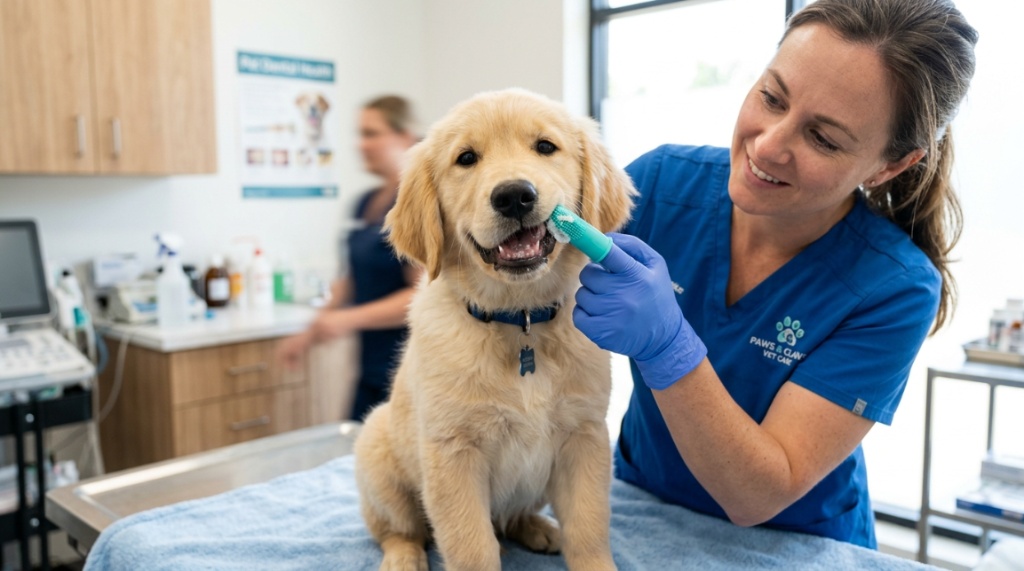
You brought home a new puppy, and everything is going great — until you think about brushing those tiny needle teeth. If you’ve ever tried to hold a squirmy pup still long enough to inspect their gums, you know it’s no small task. Yet, establishing a puppy toothpaste daily routine early is one of the most effective ways to prevent painful dental disease later in life. But with shelves full of meat-flavored pastes, gels, and foams, how do you actually pick the right one? This guide breaks down exactly what to look for, what to avoid, and how to build a routine your puppy will eventually tolerate — maybe even enjoy.
Key Takeaways
- Always choose toothpaste specifically formulated for dogs; human toothpaste contains xylitol and fluoride, both dangerous for puppies.
- Look for enzymatic formulas that break down plaque without requiring vigorous brushing.
- Flavor matters more than you think — poultry, peanut butter, or malt flavors significantly improve cooperation.
- Start short and positive: even 15 seconds of gentle brushing counts in the beginning.
- Avoid products with artificial sweeteners, foaming agents, or harsh abrasives.
Why Puppy Toothpaste Is Different from Human Toothpaste
The most common mistake new puppy owners make is grabbing their own toothpaste out of the bathroom cabinet. That’s a serious health risk. Human toothpaste contains fluoride, which is toxic to dogs when swallowed, and xylitol, a sweetener that can cause a rapid drop in blood sugar and liver failure. Since puppies naturally swallow most of the toothpaste during brushing, this is a non-negotiable safety issue.
Dog-specific toothpaste is designed to be swallowed. It contains no fluoride, no xylitol, and no detergents that create foam. Instead, it relies on safe enzymes like glucose oxidase and lactoperoxidase to help break down plaque and reduce bacteria in the mouth. These enzymatic formulas are the gold standard for a puppy toothpaste daily routine because they provide active cleaning even when brushing is less than perfect.
What about baking soda or coconut oil?
Some home remedies like baking soda or coconut oil get passed around online, but they come with drawbacks. Baking soda is abrasive and can damage the enamel on puppy teeth over time. Coconut oil has no proven plaque-fighting ability and doesn’t contain the enzymes that make dog-specific toothpaste effective. Stick with a veterinary-approved product designed for the biology of a dog’s mouth.
Key Ingredients to Look For in Puppy Toothpaste
Reading the ingredient list is the fastest way to judge whether a toothpaste is worth your money. You don’t need to be a chemist, but you should understand what these core components do.
Enzymatic cleaners
Enzymes are biological molecules that speed up chemical reactions. In toothpaste, enzymes like glucose oxidase create hydrogen peroxide in small amounts, which helps kill bacteria and break down the matrix that holds plaque together. This is the most important active ingredient category to look for. Non-enzymatic toothpastes are essentially just flavoring agents with mild abrasives — they can help but are significantly less effective.
Abrasive agents
Dicalcium phosphate or silica are common mild abrasives in dog toothpaste. They help physically scrub plaque off the tooth surface. The key is choosing a formula with gentle abrasion appropriate for puppies, whose enamel is still developing and is more vulnerable to wear than adult dogs.
Palatability enhancers
Puppies don’t care about oral health — they care about whether something tastes good. The most effective toothpastes use natural flavors like chicken liver, beef, peanut butter, or vanilla mint. A toothpaste your puppy refuses to open their mouth for is useless, no matter how good the ingredients are.
| Ingredient | Role | Why It Matters |
|---|---|---|
| Glucose oxidase | Enzymatic plaque control | Helps break down plaque without brushing pressure |
| Dicalcium phosphate | Mild abrasive | Gently removes surface stains and plaque |
| Chicken or peanut butter flavor | Palatability | Increases willingness to cooperate during brushing |
| No xylitol, no fluoride | Safety | Prevents toxicity when swallowed |
Flavor Selection and Your Puppy’s Preferences
You might assume that mint or cinnamon would freshen a puppy’s breath, but dogs don’t respond to flavors the way humans do. Their flavor receptors are oriented toward meat and fat. Mint-flavored toothpaste often gets rejected because it tastes nothing like food to a dog. Poultry, beef, liver, peanut butter, and even malt flavors are far more reliably accepted.
It’s worth buying two different flavors for your first few attempts. Puppies are individuals. Some will eagerly accept a beef-flavored paste, while others turn their noses up and beg for poultry. Testing a small amount on your finger first is a smart strategy. If your puppy licks it off happily, you’ve found a winner. If they back away or drool excessively, try a different flavor before you force the brushing experience on them.
How to Start a Daily Toothbrushing Routine with Your Puppy
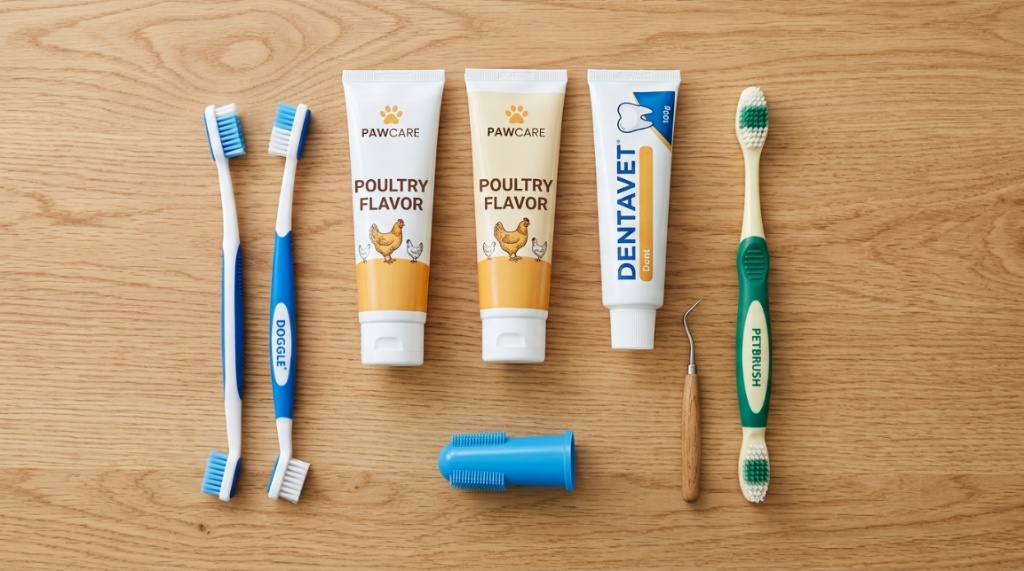
Building the habit is just as important as choosing the right toothpaste. Puppies thrive on routine and positive associations. The goal is to make brushing feel like a normal, even pleasant, part of the day — not a wrestling match.
Step 1: Let them taste the toothpaste first
Before any brushing happens, put a small dab of toothpaste on your finger and let your puppy lick it off. Do this for a few days in a row so they associate the flavor with a positive reward, not a scary procedure.
Step 2: Introduce the toothbrush gradually
After your puppy is comfortable with the flavor, let them sniff and lick a dog-specific toothbrush or a finger brush. Praise them calmly during this exploration phase. You’re conditioning them to accept the tool near their mouth without fear.
Step 3: Start with short sessions
Lift their lip gently and brush just the outer surfaces of the front teeth for 10–15 seconds. That’s it. End the session immediately with praise and a high-value treat. Over the next few weeks, gradually increase the brushing time and work your way toward the molars in the back of the mouth.
Step 4: Focus on the gumline
Plaque accumulates most heavily where the tooth meets the gum. Angle the bristles at about 45 degrees toward the gumline and use small circular motions. You don’t need to scrub hard — the enzymes in the toothpaste are doing much of the chemical work.
Criteria for Choosing a Toothpaste Based on Your Puppy’s Age
Most toothpaste brands are marketed as suitable for puppies over 8 weeks old, but there are some considerations to keep in mind for younger vs. older puppies.
Teething puppies (8 weeks to 6 months)
During this window, your puppy’s baby teeth are emerging and later falling out to make way for adult teeth. Gums are often sore and sensitive. A gentle, non-abrasive toothpaste with anti-inflammatory properties like aloe vera or chamomile can be soothing. This is also the ideal time to get them used to the idea of brushing because their mouths are changing constantly and acceptance comes easier at this developmental stage, To ensure your new pet is fully prepared for a smooth transition into your home, make sure to read our comprehensive guide on Toilet Training your New Puppy for essential housetraining steps.
Adult teeth emerging (6 months and up)
Once adult teeth come in, you can transition to a standard enzymatic toothpaste with slightly more abrasive power. The plaque-fighting enzymes become more important now because adult teeth are permanent and need proper maintenance. This is also when you should schedule a veterinary dental checkup if you haven’t already.
Formulation Types: Paste, Gel, Foam, and Wipes
Your choice of toothpaste formulation can make the daily routine easier depending on your puppy’s temperament.
Paste
Paste is the traditional choice. It sticks to the brush well and stays where you place it in the mouth. Most pastes contain the highest concentration of enzymatic cleaners. If you’re going with a paste, look for one with a texture that doesn’t dry out quickly on the brush.
Gel
Gels are less thick and spread more easily across the teeth. They’re a good option for puppies who are resistant to brushing because the gel can be applied more quickly. Some gels also have a milder flavor profile, which can help with particularly picky eaters.
Foam
Foams are applied directly to the teeth or a brush. They’re fast and convenient but often contain lower enzyme concentrations because the airy texture dilutes the active ingredients. Foams can work as a supplementary option for on-the-go situations, but they generally don’t match paste in cleaning power.
Dental wipes
While not toothpaste per se, wipes are worth mentioning for puppies that absolutely refuse a brush. You wrap the wipe around your finger and rub it along the teeth and gums. Many wipes are pre-impregnated with enzymatic ingredients. They’re a reasonable backup, but wipes don’t get below the gumline as effectively as a brush can.
Mistakes to Avoid When Starting a Dental Routine
A few common missteps can derail your efforts before the habit is established. Avoid these to set your puppy up for success.
- Skipping the acclimation phase: Going straight to brushing without letting your puppy taste and explore the toothpaste creates a negative first experience that can persist for months.
- Using too much toothpaste: A pea-sized amount for a puppy is more than enough. More toothpaste doesn’t equal better cleaning; it just creates a mess and more swallowing.
- Brushing aggressively: Pressuring the brush too hard can irritate gums and cause bleeding. Gentle pressure is all that’s needed because the enzymes do most of the work.
- Rushing the routine: If you’re in a hurry, don’t try to get a good brushing in. A rushed, stressful attempt reinforces negative associations. Brushing after a walk or playtime when the puppy is tired is often more successful than doing it first thing in the morning.
How to Assess Whether the Toothpaste Is Working
Within 3–4 weeks of consistent daily brushing, you should see tangible results. Your puppy’s breath should be noticeably less offensive. The gums should look pink and firm, not red or swollen. A thin white film on the teeth indicates plaque buildup that your current routine isn’t fully managing. If you see that, try extending the brushing duration or switching to a formula with higher enzyme concentration.
Also be aware that some dark pigments on gums are completely normal and not a sign of disease. If you’re ever unsure whether a patch of gum discoloration is healthy pigmentation or inflammation, check with your vet. It’s better to ask than to assume.
Frequently Asked Questions
At what age should I start brushing my puppy’s teeth?
You can start as early as 8 weeks old. The puppy’s baby teeth are present, and early introduction makes future brushing much easier. Even if the brushing is short and imperfect, the habit formation is what matters most at this age.
Can I use human toothpaste on my puppy?
No. Human toothpaste contains fluoride and xylitol, both of which are toxic to dogs when swallowed. Always use a toothpaste that is explicitly labeled as safe for dogs and puppies.
How often should I brush my puppy’s teeth?
Daily brushing is ideal. If that’s not possible, aim for a minimum of 3–4 times per week. Sporadic brushing is significantly less effective at preventing plaque and tartar buildup.
Is it okay if my puppy swallows the toothpaste?
Yes. Dog toothpaste is formulated to be swallowed safely. The enzymes are food-grade and non-toxic. This is exactly why you should never swap in human toothpaste, which is not safe to swallow in any quantity.
What if my puppy won’t let me brush their back teeth?
Start with just the front teeth and build trust gradually. The front teeth are easier to reach and less sensitive. Once your puppy accepts brushing there, slowly introduce the brush to the side teeth, and finally the molars, using gentle pressure and plenty of praise.
Conclusion
Choosing the right puppy toothpaste comes down to three things: safety, ingredients, and flavor acceptance. Avoid human products entirely, prioritize enzymatic formulas, and be willing to try a couple of flavors to find what your puppy actually likes. The daily routine itself matters just as much as the product. Start slow, use positive reinforcement, and build up to a thorough brushing over several weeks. A consistent puppy toothpaste daily routine with the right product will protect your dog’s teeth and gums for years to come, saving you from costly dental procedures and your dog from unnecessary pain. Pick a safe, enzymatic toothpaste, introduce it patiently, and make dental care a normal part of your puppy’s day.