
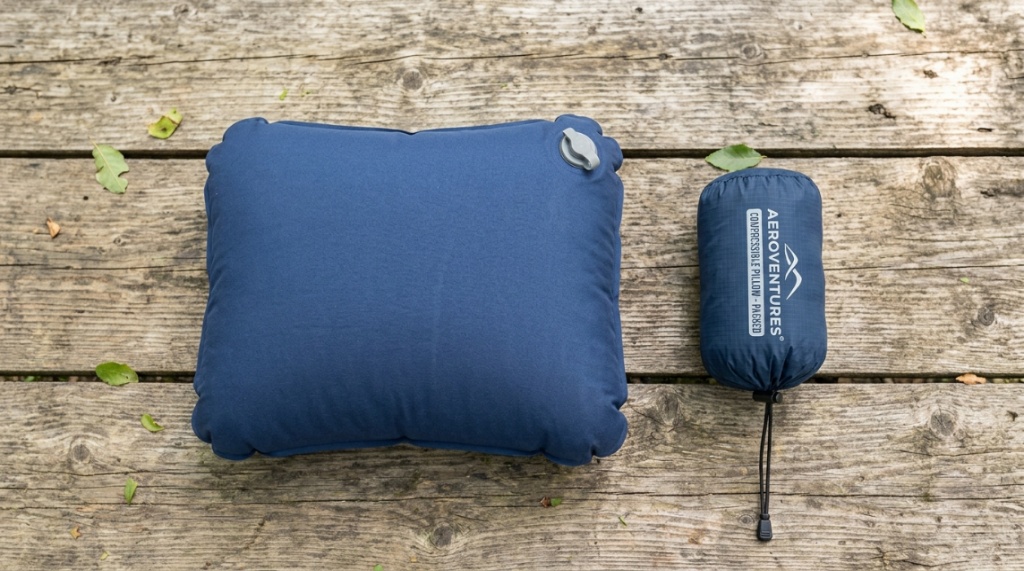
You have spent weeks perfecting your gear list. Your sleeping bag is a marvel of modern insulation. Your tent sets up in under two minutes. But after the first night on the trail, you wake up with a stiff neck and a throbbing headache. The culprit? A lumpy stuff sack filled with a sweatshirt that shifted at 2 a.m. You are not alone. This is the classic camper’s dilemma: sacrificing neck support to save pack space. The solution is a compressible camping pillow, a piece of gear that promises both comfort and compactness. But choosing the right one means navigating a sea of foam, down, baffles, and valves. This guide will walk you through every decision point so you wake up refreshed, not resentful.
What Exactly Is a Compressible Camping Pillow?
A compressible camping pillow is a sleep accessory designed specifically for outdoor use. Unlike your bulky memory foam pillow at home, these pillows use lightweight materials like shredded foam, synthetic fiberfill, or down to provide support. They pack down small by squeezing the air out of them, and they expand once released from your pack. They bridge the gap between a zero-support stuff sack and an inflatable pillow that feels like a plastic pool toy.
Understanding the Core Technology
Compressible pillows rely on open-cell foams or loose-fill insulation. When you stuff the pillow into a compression sack, you force the air out of the material itself. Once you unstrap the pillow, the material “springs” back to its original shape. This memory-like action gives you consistent loft throughout the night without needing to adjust an air valve.
Who Should Use One?
Side sleepers often prefer compressible pillows because they offer a softer, more forgiving feel compared to inflatable models. Car campers also favor them because pack weight is less of a constraint, and the comfort payoff is high. Backpackers on shorter trips (one to three nights) find them a worthy luxury that does not break the bank on space.
Compressible vs. Inflatable: A Quick Comparison
- Compressible: Softer feel, better for side sleepers, requires more pack volume, heavier typically.
- Inflatable: Ultra-light, packs to the size of a soda can, firmer surface, can be noisy, and is prone to punctures.
- Hybrid: Combines a thin inflatable core with a compressible foam outer layer for the best of both worlds.
Why Does Pillow Loft Matter for Your Sleep Quality?
“Loft” refers to the thickness or height of the pillow when fully expanded. Loft directly determines your spinal alignment during sleep. A pillow that is too flat forces your neck to bend at an awkward angle. A pillow that is too thick elevates your head too high, causing tension in your shoulders. The right loft keeps your spine in a neutral line from your hips to your ears.
Measuring Your Ideal Loft
Side sleepers generally need a loft between four and six inches to fill the gap between the ear and the outside shoulder. Back sleepers require a lower loft, usually two to four inches, to avoid craning the neck forward. Stomach sleepers should look for very low loft options (under two inches) or consider skipping the pillow entirely. Always test a pillow for a few minutes in your sleeping position before buying.
How Loft Affects Packability
Higher loft pillows require more fill material. More fill means a larger packed size. Manufacturers balance this by using high-loft synthetic fills that compress well. A pillow with a six-inch loft might compress down to the size of a large cantaloupe. A two-inch loft pillow can slide into a side pocket of your pack like a water bottle.
Loft Recovery: The Forgotten Metric
The ability of a pillow to “bounce back” after compression is called the “recovery rate.” Lower-quality foams take minutes to fully expand. High-quality memory foams or proprietary fills like ClimaLoft spring back in seconds. A slow recovery rate means your pillow stays flat for the first hour of sleep, which defeats the purpose of having a lofty pillow in the first place.
Which Fill Materials Offer the Best Comfort and Durability?
The fill material is the soul of your compressible camping pillow. Three main options dominate the market: shredded memory foam, synthetic fiberfill, and down or down-alternative blends. Each has distinct trade-offs in weight, comfort, moisture resistance, and lifespan.
Shredded Memory Foam
- Pros: Excellent contouring, great for side sleepers, very durable, retains shape for years.
- Cons: Heaviest option, slowest drying if it gets wet, can feel “clumpy” in budget models.
- Best for: Car camping and base camp setups where weight is less critical.
Synthetic Fiberfill (e.g., PrimaLoft, Climashield)
- Pros: Lightweight, dries very fast, hypoallergenic, consistent feel across the entire pillow.
- Cons: Less contouring than foam, can flatten over time (compression fatigue), lower recovery rate.
- Best for: Backpackers who need reliable performance in wet climates.
Down and Down-Alternative Blends
- Pros: Highest warmth-to-weight ratio, extremely compressible, soft and plush feel.
- Cons: Expensive, loses loft when wet, requires special care, not vegan-friendly if using real down.
- Best for: Ultralight enthusiasts and cold-weather campers who prioritize pack volume.
How Do You Determine the Correct Fill Power for Your Needs?
Fill power measures the number of cubic inches one ounce of down occupies. A rating of 600 fill power is standard. A rating of 900 fill power is premium. Higher fill power means better insulation and compressibility for the same weight, but it also means a higher price tag. You do not always need the highest fill power for a camping pillow.
Reading the Numbers
For synthetic fills, look at the gram weight of the fill. A pillow filled with 150 grams of synthetic fiber offers moderate loft. A pillow with 250 grams offers substantial loft but packs larger. For down pillows, a 700-fill down is a sweet spot for most three-season campers. You get good compressibility without paying for ultralight race-day gear.
Balancing Weight and Warmth
Remember that pillows do not keep you warm like a sleeping bag. The “warmth” of a down pillow is about comfort, not thermal retention. A high-fill down pillow feels luxurious but traps heat, which can be uncomfortable in summer. A lower-fill synthetic pillow breathes better for warm-weather camping.
Durability Concerns by Fill
Down pillows require a tight, high-quality baffle system to prevent the fill from shifting to one side. Synthetic pillows do not shift as much because the fibers are intertwined, but they can develop flat spots. Shredded foam pillows sometimes need to be “fluffed” every few nights to redistribute the fill evenly. If you struggle with sleep posture at home as well as outdoors, check out how a wedge pillow reduces snoring. Real results can improve your sleep quality.
What Baffle and Shell Construction Should You Look For?
The outer fabric and internal structure of the pillow determine how well it holds its shape and how comfortable it feels against your skin. A poorly constructed shell can make even the best fill feel lumpy or scratchy. Look for baffled boxes, micro-chamber designs, or welded seams depending on the material.
Baffled Box Construction
Baffled construction uses internal fabric walls to create separate chambers for the fill. This prevents the material from migrating to the edges of the pillow. It is standard for down pillows and higher-end synthetic models. Baffles ensure that you have consistent loft from the center to the edge.
Shell Fabric Choices
- Nylon (20D to 40D): Lightweight, quiet, and smooth against the skin. 20D is ultralight but less durable. 40D is tougher but slightly heavier.
- Polyester: Heavier, more durable, and less likely to slip on a sleeping pad. Can feel a bit “scratchier” compared to nylon.
- Microfleece or Brushed Fabric: Incredibly soft for cold nights but traps dirt and retains moisture. Best for dedicated car camping pillows.
Seams and Stitching Quality
Double-stitched seams extend the lifespan of the pillow. Look for rolled hem edges that prevent fabric fraying. Cheaper pillows often use single-stitch seams that can burst under compression after a season of use. Examine the stitching around the compression strap loops, as these take the most stress.
How Important Is Weight and Packed Size for Different Trip Types?
Your trip type dictates how much you should prioritize weight and packed size. A car camper using a large SUV can bring a full-sized foam pillow. A thru-hiker carrying a 35-liter pack needs a pillow that disappears into a stuff sack. Matching the pillow to your trip prevents unnecessary suffering from weight or comfort.
Backpacking (Multi-Day)
- Target weight: Under 6 ounces (170 grams).
- Target packed size: Less than 8 x 4 inches when compressed.
- Recommendation: Down or high-loft synthetic with a 20D nylon shell. Side sleepers may need to accept a smaller loft to hit weight targets.
Car Camping and Base Camp
- Target weight: Under 20 ounces (567 grams).
- Target packed size: Less than 12 x 8 inches.
- Recommendation: Shredded memory foam with a brushed polyester cover. Comfort is the priority over extreme packability.
Bikepacking and Kayak Trips
- Target weight: Under 4 ounces (113 grams).
- Target packed size: Fits inside a handlebar roll or dry bag crevice.
- Recommendation: Ultralight down pillow with no compression sack (stuff directly into a gap in gear).
Can You Wash and Maintain a Compressible Camping Pillow?
Yes, but the method depends entirely on the fill material. Proper maintenance extends the life of your pillow by years. Ignoring care instructions leads to odor, clumping, and loss of loft. Always check the manufacturer’s tag first, as some pillows require professional cleaning.
Washing Synthetic and Memory Foam Pillows
Most synthetic and shredded foam pillows are machine washable on a gentle cycle with cold water. Use a mild detergent without fabric softener. Softener breaks down the foam structure. Dry them on low heat with dryer balls to fluff the fill. Memory foam pillows should never be machine washed. Spot clean them with a damp cloth and mild soap.
Caring for Down Pillows
Down pillows require special care. Wash them in a front-loading machine (top-loaders with agitators can tear the baffles) on a gentle cycle with a down-specific cleaner. Rinse thoroughly. Dry on low heat with clean tennis balls or specialized dryer balls to break up damp clumps. This process takes several hours. Improper drying leads to mildew and ruined fill.
Extending Pillow Lifespan
- Always store your pillow uncompressed in a large cotton bag or mesh sack.
- Avoid prolonged exposure to direct sunlight, which degrades both synthetic and down fills.
- Air out your pillow after each trip to remove moisture trapped from condensation.
- Use a silk or cotton pillowcase to reduce skin oils soaking into the shell fabric.
What Features Help Regulate Temperature in Different Seasons?
Temperature regulation is a hidden factor in pillow comfort. Sleeping with your face pressed against a non-breathable pillow can lead to sweaty skin. A pillow that breathes well keeps you comfortable from hot summer nights to chilly fall trips. Look for moisture-wicking shells and breathable baffle designs.
Breathable Shell Fabrics
Nylon shells with high thread counts (350+ threads per inch) offer a smooth feel but can trap heat. Polyester shells are more breathable but feel less luxurious. Some manufacturers use mesh baffle panels on the bottom of the pillow to allow heat to escape while keeping the top surface soft.
Two-Sided Pillow Designs
Some compressible pillows offer a “cool side” and a “warm side.” One side uses slick nylon for warm weather; the other uses brushed microfleece for cold weather. This versatility lets you flip the pillow based on the temperature, giving you year-round use from a single piece of gear.
Moisture Management
Perspiration and breath moisture accumulate in pillows overnight. Synthetic fills dry faster than down. If you camp in humid environments, consider a synthetic pillow with a hydrophobic coating. Some down treatments (like DWR applied to the down) help resist moisture, but they are not foolproof in sustained high humidity.
How Do You Test a Pillow Before Buying Without Sleeping on It?
You cannot nap in the store, but you can run a few simple diagnostics to judge a pillow’s performance. These tests take less than two minutes and reveal critical information about loft, fill distribution, and comfort. Use them to narrow down your choices before committing.
The Compression Recovery Test
Press the pillow flat with both hands and release. Count how long it takes to fully expand. A good compressible pillow should return to at least 80 percent of its original loft within 10 seconds. If it stays flat or takes longer than 20 seconds, the fill is likely low quality or has suffered compression fatigue.
The Head Simulation Test
Place the pillow on a flat surface and press your head down onto it for ten seconds. Remove your head and look at the indentation. A pillow that retains a deep depression (like memory foam) may feel too soft for some. A pillow that bounces back immediately (like fiberfill) offers more pushback support.
The Edge Support Test
Side sleepers should press on the edge of the pillow, simulating where their ear meets the pillow’s outer section. If the edge collapses completely, the pillow will not support you when you roll over. Look for pillows with reinforced edges or a gusseted design that maintains structure at the perimeter.

Which Size and Shape Works Best for Your Sleeping Style?
Compressible camping pillows come in standard rectangular shapes, tapered mummy shapes, and contoured ergonomic designs. The shape affects comfort, stability on a sleeping pad, and weight distribution. Choosing the wrong shape leads to your pillow sliding off the pad or creating pressure points.
Rectangular Pillows
- Best for: Back sleepers and combination sleepers who change positions.
- Advantage: Ample surface area to roll around, stable on wide sleeping pads.
- Disadvantage: Heavier, bulkier, more prone to shifting on narrow pads.
Contoured and Mummy Pillows
- Best for: Side sleepers and ultralight backpackers.
- Advantage: Cutouts or tapered shapes reduce weight and track sliding. Ergonomic contours fit the neck curve.
- Disadvantage: Limited rolling space, less forgiving if you sleep on your stomach.
Mini and Travel-Size Pillows
These measure roughly 12 x 8 inches and are designed for minimalists. They provide support only for the head, not the shoulders. They work well for back sleepers on ultralight trips but are generally unsatisfactory for side sleepers who need more surface area to cradle the head.
What Are the Hidden Costs of Buying a Cheap Compressible Pillow?
A $15 compressible camping pillow seems like a bargain, but hidden costs often appear after a few trips. Cheap fill materials lose loft quickly, requiring you to replace the pillow annually. Poor shell fabrics snag on tent floors or zippers, compromising waterproofness. Non-removable covers mean the whole pillow must be thrown away if the inner fill gets dirty or smelly.
Durability Economics
Spending $50 on a quality pillow that lasts five years costs you $10 per year. Spending $15 on a cheap pillow that dies after one season costs you $15 per year, plus the frustration of waking up with neck pain. The math favors investing in a known brand with a track record in outdoor gear manufacturing.
Warranty and Repair Considerations
Premium brands like Sea to Summit, Therm-a-Rest, and Nemo offer limited lifetime warranties or generous repair policies. Budget brands rarely offer any warranty at all. If a baffle bursts or a seam splits, you are buying a new pillow. This peace of mind is worth the extra initial investment.
Resale Value
High-quality outdoor gear holds significant resale value. If you try a pillow and decide it is not for you, you can recoup 50 to 70 percent of your investment by selling it on gear exchange forums. Cheap pillows have no resale market. They go directly to the landfill or your donation pile.
Frequently Asked Questions
Can you use a compressible camping pillow on an inflatable sleeping pad?
Yes. Most compressible pillows have a non-slip bottom fabric that grips many pad surfaces. However, some pillows slide on slick nylon pads. Look for a pillow with silicone dots or a rubberized back panel to prevent this. A simple trick is to place a small piece of adhesive velcro on both the pad and the pillow.
How do I know if a compressible pillow will fit my sleeping bag’s pillow pocket?
Check your sleeping bag’s pillow pocket dimensions, which are usually listed on the manufacturer’s spec sheet. Standard pockets are about 10 x 12 inches. If your pillow is larger than 14 x 10 inches when uncompressed, it may bulge out of the pocket. Measure both the pillow and the pocket before pairing them.
Is a compressible camping pillow suitable for toddlers or kids?
Yes, but choose a smaller size. Many brands offer junior versions that are half the width of adult pillows. Avoid pillows with very high loft for children. A flat, compressible pillow (one to two inches of loft) is safer and more comfortable for young sleepers. Always follow the manufacturer’s age recommendations.
Can I microwave or heat a compressible camping pillow for warmth?
No. Never microwave any camping pillow with synthetic or down fill. The fill materials are not designed to withstand direct heat. They can melt or combust. If you need warmth, use a heat-safe water bottle wrapped in a cloth or an electric hand warmer. Do not rely on your pillow for active heating.
Why does my compressible pillow smell like chemicals?
Some off-gassing of volatile organic compounds (VOCs) is normal with new memory foam products. Air the pillow out in a well-ventilated area for 24 hours before your trip. If the smell persists after three days of airing, it may indicate low-quality foam. Return the pillow if the odor is strong or causes irritation.
Conclusion
Choosing a compressible camping pillow is a balance of fill material, loft, packability, and construction quality. Start by identifying your dominant sleeping position, then match that to the appropriate loft and fill type. Side sleepers should prioritize shredded memory foam with a high loft. Backpackers on multi-day treks should prioritize low weight and high compressibility, accepting a synthetic fiberfill or down blend. Car campers can afford to indulge in a luxurious memory foam model without worrying about pack volume. Always test the pillow in-store if possible, checking recovery time and edge support. Invest in a mid-range to premium pillow from a reputable outdoor gear manufacturer, and store it uncompressed between trips. Your neck and your sleep quality will thank you. Do not settle for a lumpy stuff sack. Get the right gear, get better rest, and enjoy the trail more fully.