
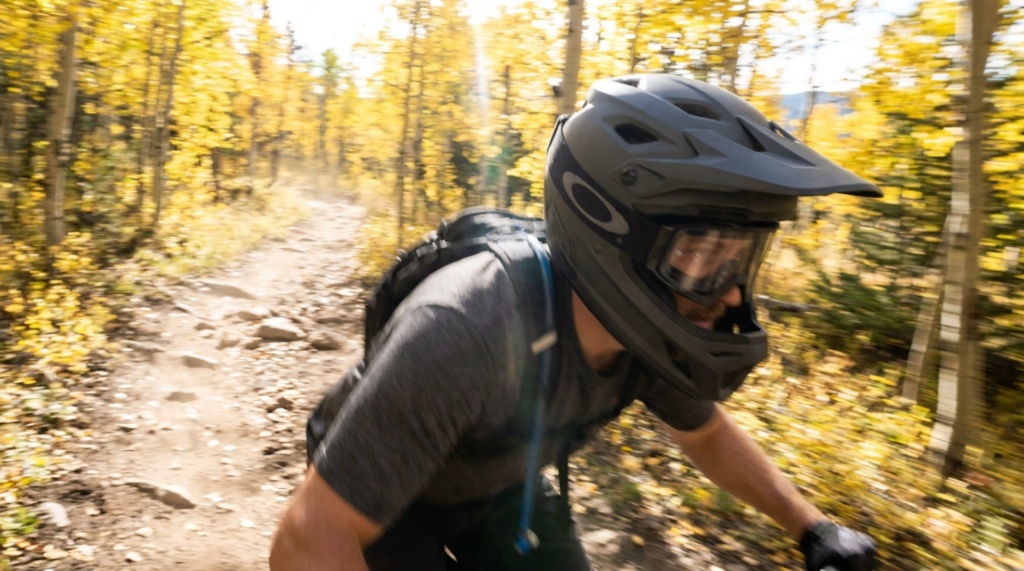
This guide addresses Colorado specifically. We’ll cover what makes the state’s trail conditions uniquely demanding for helmet selection, which features matter most at altitude, how to handle the weather variability that defines Colorado riding, and which trail riding helmet characteristics best serve the rocky, technical terrain that makes this state world-class.
What Makes Colorado Trail Conditions Unique for Helmet Selection?
Several environmental factors converge in Colorado that don’t exist (or exist less intensely) in other riding regions:
High Altitude UV Exposure
UV radiation increases approximately 6-8% per 1,000 feet of elevation. At 9,000 feet (typical for Colorado trail riding), UV intensity is 40-60% higher than at sea level. This affects helmets in two ways: faster material degradation (EPS, polycarbonate, and straps break down faster) and increased need for coverage/sun protection features for the rider.
Practical implication: Helmets used primarily at Colorado elevations may need replacement 6-12 months sooner than the standard 3-5 year guideline. The UV bombardment ages materials faster than low-elevation use.
Extreme Temperature Variability
A typical Colorado ride can span 30-40°F of temperature change. Morning starts in cool shade (45-55°F), climbs through exposed switchbacks in full sun (75-85°F), then descends into cool canyon shade again. The helmet needs to ventilate well enough for the hot sections without being so open that your head freezes on cool descents or during sudden weather changes.
Rapid Weather Changes
Colorado’s afternoon thunderstorms are legendary among riders. Clear blue sky at noon becomes lightning, hail, and downpour by 1:30 PM — especially June through September. A trail riding helmet for Colorado should handle rain exposure without compromising protection and work with layers (balaclavas, skull caps) when temperatures drop 20°F in minutes.
Rocky, Technical Terrain
Colorado trails are famously rocky. Even “intermediate” trails feature embedded rocks, loose granite, and technical sections that would be rated advanced in other states. Crash surfaces here are predominantly rock — harder and more unforgiving than dirt or root-covered trails elsewhere. This demands helmets with robust construction, extended coverage, and proven impact performance on hard surfaces.
Thin Air and Exertion
At altitude, your body works harder for the same output. Heart rate is higher, breathing is heavier, and sweat production increases. The helmet must accommodate this increased thermoregulation demand — more airflow needed than equivalent effort at sea level.
What Trail Riding Helmet Features Matter Most at Colorado Altitudes?
Prioritized for the specific demands of high-altitude, variable-condition mountain biking:
| Feature | Why It Matters in Colorado | Priority Level | What to Look For |
|---|---|---|---|
| Ventilation | Higher exertion at altitude = more heat generation | ★★★★★ | 16+ vents with internal channeling |
| Extended Rear Coverage | Rocky terrain means harder crash surfaces | ★★★★★ | Coverage to base of skull |
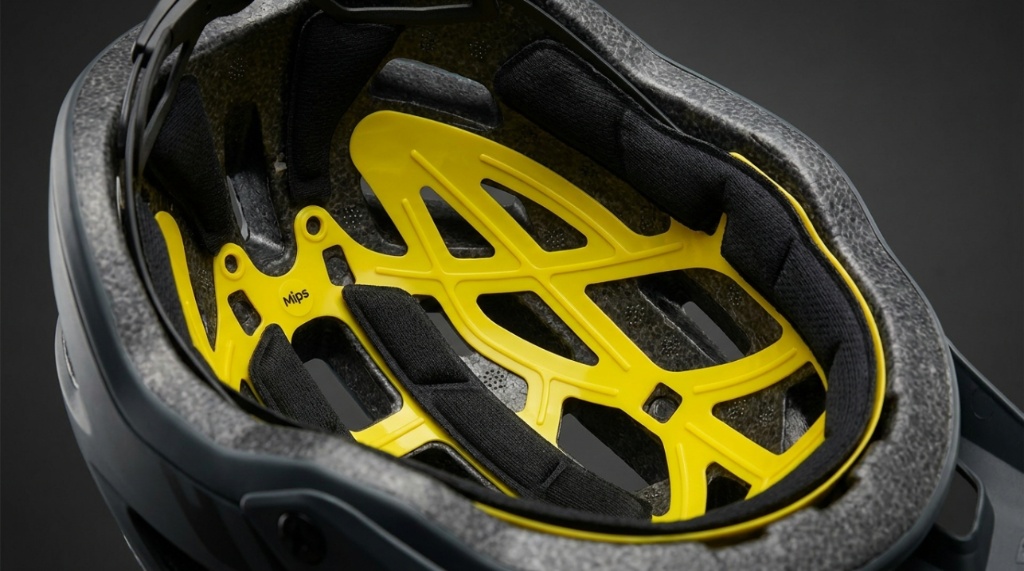
| MIPS/Rotational Protection | Rock impacts create high rotational forces | ★★★★★ | MIPS or equivalent system |
| Adjustable Visor | Intense sun at altitude, variable angles | ★★★★☆ | Multi-position, tool-free adjustment |
| Goggle Compatibility | Dust, sun, cold weather versatility | ★★★★☆ | Goggle gripper, gap-free interface |
| Layer Compatibility | Rapid temperature changes require adding layers | ★★★☆☆ | Fits comfortably over skull cap/balaclava |
| UV-Resistant Materials | 40-60% more UV than sea level | ★★★☆☆ | UV-stabilized polycarbonate shell |
Which Helmets Handle Colorado’s Temperature Swings Best?
The challenge: ventilate like a summer helmet during hot exposed climbs but retain warmth (or accept layers) during cold descents and weather changes. Solutions:
Maximum-ventilation with layer strategy: Choose a helmet with maximum airflow (18-20+ vents) and manage cold sections with a thin skull cap or headband underneath. This approach handles 80% of Colorado conditions — hot climbing comfort with layered descent warmth. Most experienced Colorado riders use this system.
Helmets with closable vents: Some models (Smith Forefront 2, certain Specialized models) include adjustable vent covers or internal baffles that partially close vents for cold descents. These provide climate versatility without accessories — but reduced cooling during hot climbs when vents are open (some restriction remains).
Goggle integration for cold/dust: Colorado’s above-treeline riding exposes you to cold wind, blowing dust, and intense sun simultaneously. A helmet with proper goggle integration protects eyes while the goggle’s foam seals against cold air that would otherwise enter vent openings from behind.
The skull cap solution (most popular in CO): A merino wool or synthetic skull cap adds warmth when needed and wicks sweat when it’s hot. It fits under any well-ventilated helmet without compromising fit if the helmet has one size position of adjustment available. Colorado riders consider this an essential accessory, not optional.
How Much Coverage Do You Need for Colorado’s Rocky Trails?
Coverage area is arguably more critical in Colorado than any other state due to terrain severity:
The problem with minimal coverage: XC-style helmets with minimal temporal (side) and occipital (rear) coverage leave significant portions of the skull exposed. On Colorado’s rocky trails, lateral falls onto rocks — not uncommon during technical sections — can impact areas that minimal helmets don’t protect.
Extended coverage recommendation: For Colorado trail riding, choose helmets that extend 2-3cm lower on the sides and back compared to standard XC designs. This protects the temporal region (vulnerable to concussion from lateral impacts) and the occipital region (vulnerable during over-the-bars falls onto rocks).
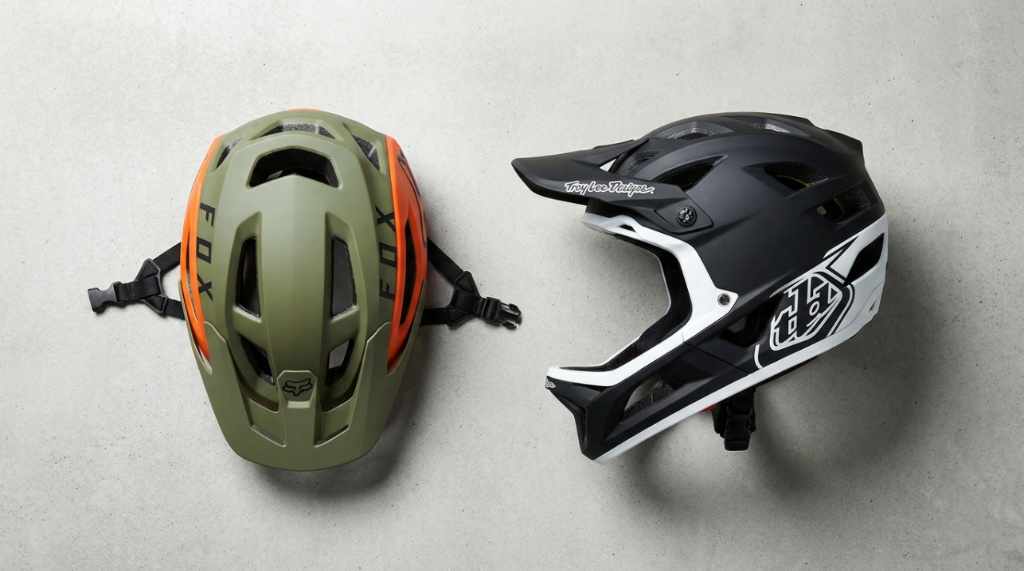
Full-face consideration for aggressive trails: Colorado’s most technical trails (Trestle bike park, Keystone, Winter Park) feature rock gardens, drops, and speeds where full-face protection is warranted. Convertible helmets (removable chinbar) or lightweight full-face options like the Fox Proframe let riders protect their face on descents and remove the chinbar for climbs.
Colorado-specific coverage zones:
- Front: Standard (2 fingers above eyebrows) — protects against forward falls on climbs
- Sides: Extended (covers above ear to below temple) — protects during lateral rock garden crashes
- Rear: Extended (covers to base of skull) — protects during over-the-bars impacts onto rock
- Face: Optional chinbar for bike park/advanced descending
While ensuring you have the right safety gear is the first step for any rugged outdoor adventure, finding the perfect location for your next trip is just as essential. If you are looking to expand your horizons beyond the singletracks of the Rockies, exploring what destination travel in the world looks like can open up incredible new opportunities for your family. Planning an international getaway doesn’t mean leaving the little ones behind, either. You can easily find world-class adventure and culture by checking out the 5 top destinations with children, where outdoor recreation and family-friendly infrastructure perfectly align for an unforgettable trip.
Which Trail Riding Helmets Perform Best in Colorado Conditions?
Models specifically suited to Colorado’s combination of heat, altitude, rocks, and weather:
Troy Lee Designs A3 MIPS — $200-250
18 vents provide exceptional cooling for high-altitude climbing exertion. Deep coverage with Enduro-rated rear protection handles Colorado’s rocky crash surfaces. MIPS Evolve system maintains airflow through the liner. Goggle-compatible for above-treeline exposure. Visor adjusts tool-free. Best for: all-around Colorado trail riding from beginner trails to advanced technical.
Giro Montaro MIPS II — $150-180
The workhorse trail helmet popular across Colorado front range and mountain communities. Excellent ventilation, extended rear coverage, integrated camera mount for capturing those epic views, and MIPS protection for rocky impacts. The GoPro-style mount is appreciated on scenic Colorado trails. Best for: regular Colorado trail riders who want reliable performance without premium pricing.
Smith Forefront 2 MIPS — $200-250
Koroyd construction provides both lightweight ventilation and impact absorption. The through-helmet airflow design is particularly effective at altitude where riders generate more heat. Extended coverage and MIPS handle Colorado’s terrain demands. Best for: riders who prioritize cooling during intense climbing efforts at elevation.
POC Kortal Race MIPS — $220-260
Exceptional coverage depth with aramid bridge reinforcement — built for rocky terrain impacts. RECCO reflector integrated for emergency location (relevant for backcountry Colorado riding). Goggle compatible with gap-free interface. Heavier than alternatives but provides maximum protection confidence on technical Colorado trails. Best for: riders tackling Colorado’s most challenging technical terrain.
Fox Proframe RS MIPS — $280-320
Full-face protection at half-shell weight and ventilation. Ideal for Colorado’s bike parks and aggressive enduro descents where rock garden face impacts are genuine risks. The open-face ventilation handles climbing adequately (not as well as half-shells but manageable). Best for: riders hitting Trestle, Keystone, or advanced backcountry descending.
How Does Colorado’s Sun Intensity Affect Helmet Choice and Maintenance?
The UV factor at Colorado altitudes requires specific considerations:
Visor importance: At altitude, sun intensity causes eye fatigue and squinting that affects concentration on technical terrain. An adjustable visor that blocks direct sun while maintaining trail visibility is more important in Colorado than virtually any other riding location. Choose visors that extend far enough to shade your eyes at steep sun angles without obscuring your view of the trail ahead.
Accelerated material degradation: Store your helmet indoors — never on your car roof rack or in your truck bed in Colorado sun. The combination of altitude UV and 300+ annual sunshine days means a helmet left exposed degrades noticeably faster than in cloudy climates. Consider covering your helmet with a light cloth when it’s sitting at trailheads during post-ride socializing.
Helmet replacement at altitude: Standard 3-5 year replacement guidelines assume average UV exposure. Colorado riders who store helmets properly can follow standard timelines. Riders who frequently leave helmets exposed (on bikes, on trucks, at trailheads) should consider 2.5-4 year replacement cycles to account for accelerated UV degradation.
Light color advantage: White or light-colored helmets absorb less solar radiation than dark colors — keeping your head measurably cooler under Colorado’s intense sun. The difference is 5-10°F of surface temperature on fully exposed climbs. This is a genuine comfort factor, not just aesthetics, at altitude.
For riders looking at comprehensive Colorado-specific options, this in-depth review of the best mountain bike helmet for Colorado riding covers models tested specifically in the state’s unique altitude and terrain conditions.
What Colorado Mountain Biking Gear Complements Your Helmet Choice?
Your helmet doesn’t work in isolation — these companion items enhance its effectiveness in Colorado conditions:
- Merino skull cap: Manages temperature swings. Thin enough for under-helmet use, warm enough for cold descents, wicks moisture during hot climbs. The single most versatile accessory for Colorado riding.
- Trail goggles or high-wrap sunglasses: Protect eyes from UV, dust, and insects at altitude. Choose options compatible with your helmet’s visor and goggle gripper system.
- Buff/neck gaiter: Pulls up over face for sudden cold weather, shields neck from sun, protects from dust on dry Colorado trails. Works with any helmet style.
- Helmet-mounted light: Colorado’s canyon trails lose light early (mountains block setting sun). A helmet light extends your ride window and provides safety on unexpected dark descents. Ensure your helmet has a mounting point that doesn’t compromise the shell.
- Sunscreen for exposed areas: Your helmet protects your scalp but ears, neck, and face need SPF 50+ at altitude. Apply before the helmet goes on. Avoid DEET-containing products contacting helmet materials.
How Do Seasonal Changes in Colorado Affect Helmet Strategy?
Colorado riding spans 8-10 months in many areas — conditions shift dramatically:
Spring (March-May): Variable conditions — snow possible at elevation, warm valleys. Layer compatibility is maximum priority. Goggle-compatible helmet handles dust on dry trails and wind on exposed ridges. Choose: extended-coverage with goggle integration.
Summer (June-August): Maximum heat and UV on exposed trails. Afternoon thunderstorm risk highest. Ventilation is critical priority. Choose: maximum-vent helmet, light color, with skull cap available for post-storm cold.
Fall (September-November): Ideal riding temperatures but rapidly shortening days. Dust increases as trails dry. Morning cold, afternoon warmth. Choose: versatile all-rounder with good ventilation AND layer compatibility. Light mount compatibility becomes more important.
Winter (if riding): Cold, icy conditions on lower-elevation trails. Significantly reduced UV concern. Choose: closed-vent or well-insulated helmet compatible with heavy layering underneath. Consider full-face for icy surface crash protection.
FAQ
Do I need a different helmet for Colorado’s altitude versus sea-level riding?
Not necessarily a different helmet, but prioritize features differently. At altitude: ventilation becomes critical (more exertion = more heat), coverage becomes critical (harder rock surfaces), and UV resistance matters for longevity. A helmet that checks these boxes works at any elevation — it’s just that these features transform from “nice to have” to “essential” in Colorado.
How much does helmet ventilation matter at 9,000+ feet?
Significantly more than at sea level. Your heart rate is 10-15% higher at altitude for equivalent effort, generating more body heat. Adequate ventilation prevents overheating that causes premature fatigue and poor decision-making on technical terrain. Choose helmets with 16+ vents and internal channeling for Colorado altitude riding.
Should I choose a full-face helmet for Colorado trail riding?
For advanced/expert trails with significant rock exposure (Trestle, Keystone bike park, Monarch Crest descent sections): yes, full-face provides facial protection that half-shells can’t. For general trail riding on intermediate terrain: extended-coverage half-shell provides adequate protection with better climbing comfort. Convertible designs (removable chinbar) offer versatility for riders who tackle both.
How often should I replace my helmet if I ride in Colorado year-round?
Every 3-4 years for riders who store properly (indoor, away from UV). Every 2-3 years for riders who store helmets on vehicles, in garages with sun exposure, or who ride at high elevation (10,000+ feet) regularly. The increased UV exposure at Colorado altitudes measurably accelerates material degradation — lean toward earlier replacement than standard guidelines suggest.
Do light-colored helmets actually keep your head cooler in Colorado sun?
Yes — measurably. White or light gray helmets absorb 20-40% less solar radiation than black or dark-colored helmets. At Colorado’s altitude with direct sun exposure on exposed climbs, this translates to 5-10°F cooler helmet surface temperature. On a 2-hour exposed climb, the comfort difference is genuinely noticeable. Consider light colors for summer riding.
What’s the best Colorado mountain biking gear investment beyond the helmet?
In priority order: quality trail shoes (grip on rock), knee pads (rocky crash surfaces), hydration pack (altitude dehydration is faster), sun protection (goggles/glasses + sunscreen), and a merino skull cap (temperature management). The helmet protects your brain; these items protect everything else from Colorado’s specific environmental challenges.
Are there helmet features specific to Colorado’s afternoon thunderstorms?
No helmet is designed specifically for storm riding (you shouldn’t ride in lightning), but features that help during weather transitions include: goggle compatibility (sudden rain/hail), layer-compatible sizing (adding skull cap when temp drops), and sealed vent designs that reduce rain dripping onto your face. The most important storm strategy is timing — be off exposed ridgelines by early afternoon during monsoon season.