
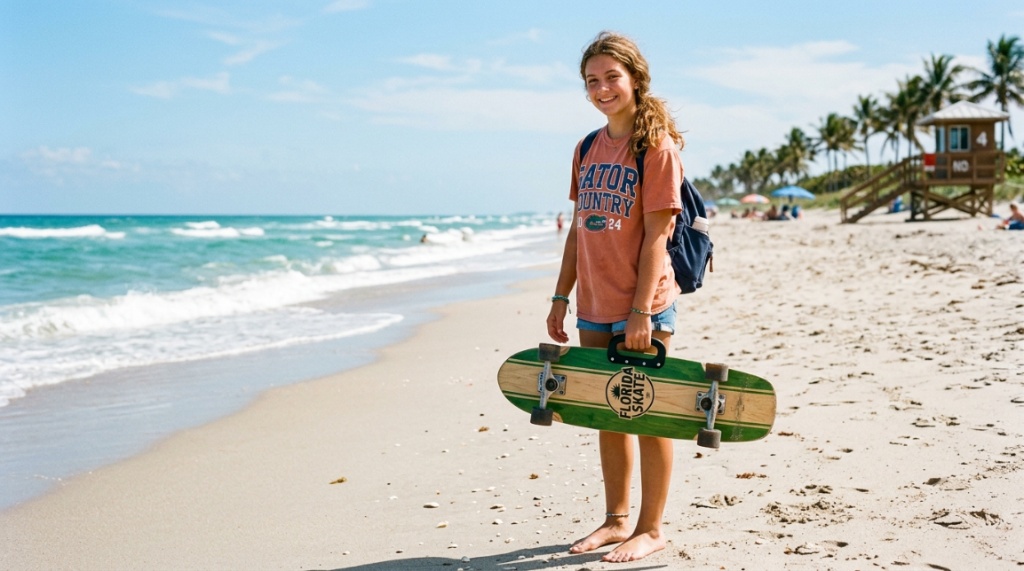
Finding the right ride in the Sunshine State can feel overwhelming, especially when you are trying to balance cost with the practical need for portability. Whether you are a parent chasing a toddler, a college student navigating campus, or a commuter mixing walking with riding, a skateboard with a handle offers a convenient solution that standard boards simply cannot match. The challenge is knowing which budget-friendly options actually hold up under Florida’s unique conditions. This guide breaks down exactly what to look for, what to avoid, and how to get the best value for your money without getting burned by a low-quality product.
Key Takeaways
- Focus on the mechanism: telescopic handles are the most durable, while foldable handles are usually the most compact and budget-friendly.
- Prioritize wheel quality and ABEC-rated bearings for a smooth ride on Florida’s rough sidewalks and asphalt.
- Check the weight limit and deck material carefully; budget models often use plastic decks better suited for lighter riders.
- Measure the handle against your own height to avoid back strain during long walks.
- Online marketplaces and local bike shops offer the best balance of price and the ability to inspect the product before buying.
Why Choose a Skateboard with a Handle?
A skateboard with a handle is essentially a hybrid between a traditional cruiser and a scooter. The handle extends from the deck, allowing you to pull the board along like a small trolley when you are not riding. This feature is invaluable for “last-mile” commutes where you might ride to a bus stop, fold the board up, and then walk to your final destination. In Florida, where distances can be deceptive and the heat is intense, being able to tow your board without carrying it under your arm is a significant advantage. It keeps your hands free and prevents your clothes from getting dirty with wheel grime.
However, the primary benefit is the versatility of the “kick-and-glide” motion. Unlike a traditional skateboard that requires constant pushing, many handled boards allow you to stand upright and push with one foot while holding the handle for balance. This makes them easier for beginners and adults who are not comfortable with standard skateboard balance. When you reach a “No Skateboarding” zone, which are common in Florida shopping plazas, you simply pull the handle and walk.
Types of Handles: Pull vs. Push
It is crucial to understand the terminology before you buy. There are two main styles:
- Telescopic Pull Handles: These extend from the tail or nose of the deck and are primarily for pulling the board when not riding. They often double as a stable handle for beginners learning to balance.
- Vertical Stem/T-Bar Handles: These lock into the center of the board and provide a high, sturdy handlebar. They are used for “kicking” (scooting) while standing on the board, offering balance and reducing the need to put your foot down repeatedly.
For those on a strict budget, the telescopic style is usually simpler and less expensive to manufacture. If you are looking for a device primarily to help a child learn balance, a T-bar style might be worth the extra money, but if you are an adult looking for a walking assist, a pull handle is often sufficient.
How We Evaluate Affordability vs. Durability
The biggest mistake buyers make is purchasing the absolute cheapest board available, only to find it breaks within a month. The term “affordable” does not mean “disposable.” In the handled skateboard niche, you are often paying for the complexity of the locking mechanism. If this mechanism is made of thin plastic, it will fail quickly, leaving you with a useless, bulky piece of junk. A true affordable affordable skateboard with a Florida balances low cost with adequate engineering. Usually, this means aluminum handles, PU (polyurethane) wheels, and a solid maple or sturdy plastic composite deck.
The Cost Breakdown
You can generally categorize these boards into three price tiers:
- Entry-Level ($30 – $50): Usually plastic decks with basic handles. Best for small children under 80 lbs.
- Mid-Range ($50 – $90): Often feature a wooden deck, better bearings, and a more robust handle locking system. This is the sweet spot for adults on a budget.
- Premium ($100+): High-end materials, durable handlebars, and high-speed bearings. Often unnecessary for casual use.
When you are shopping, look closely at the connection point where the handle meets the deck. This is the structural weak link. If the photos show a metal bracket bolted through the deck, that is a good sign. If the handle appears to snap into a plastic groove, be wary.
Critical Features to Look For
To ensure your budget board survives the Florida environment, you need to pay attention to specific components. The wrong wheels can make riding on hot asphalt a miserable experience, and the wrong deck material can warp in the humidity.
Deck Material and Size
Most handled skateboards use either 100% plastic or a composite mix. Plastic is cheap and won’t rot, but it flexes and can crack under heavier adult weight. Look for a deck that is at least 22 inches long for adults. If you find a board that boasts a “drop-through” deck (where the trucks are mounted on top), this lowers the center of gravity, making it easier to push and more stable—a feature worth prioritizing even if it costs slightly more, To expand your skill set and practice new lines after picking up your board, check out our guide on how to master 10 Skateboarding New Tricks to Learn and Impress Your Crew
Wheel Quality and Bearings
This is where you should not skimp. Florida sidewalks are often cracked and uneven due to heat expansion. Look for wheels that are at least 58mm in diameter. Larger wheels roll over debris more easily. The durometer (hardness) matters too; look for 78A to 82A ratings. This “soft” rubber grips the pavement and absorbs vibration, making the ride far more comfortable than the hard wheels found on cheap toy boards. For bearings, aim for an ABEC rating of 3 or higher. Avoid unrated bearings, as they often rust quickly in Florida’s humid air and salty coastal breezes.
Handle Ergonomics
Measure the handle height before purchasing. A handle that reaches your waist is ideal for walking. If it only reaches your knee, you will have to bend over, which will cause back pain on long walks. Look for handles with a comfortable foam grip. In Florida, the sun beats down, and metal handles get dangerously hot. Foam or rubber grips are not just a luxury; they are a necessity for the summer months.
Comparing Handle Mechanisms: Telescopic vs. Foldable
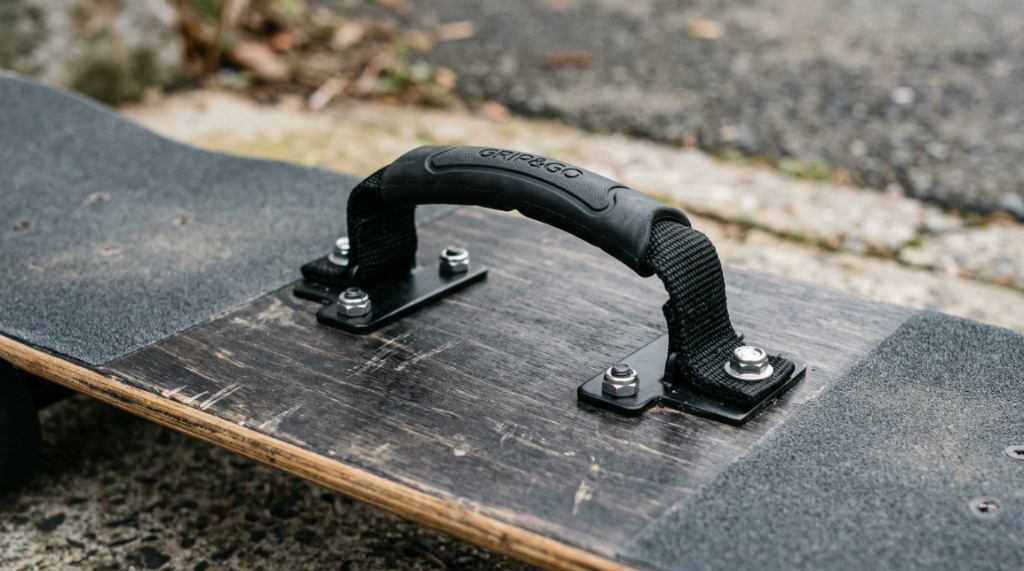
When you start shopping, you will notice two distinct designs for how the handle stores away. Each has specific pros and cons that affect long-term affordability.
| Feature | Telescopic Handle | Foldable Handle |
|---|---|---|
| Durability | Generally stronger; uses internal springs and metal collars. | Can become loose over time due to hinge wear. |
| Portability | Slides down to shrink length but adds weight to the tail. | Folds flat against the deck, making it very slim for backpack storage. |
| Cost | Mid-range to high cost depending on the locking pins. | Often found on budget boards; cheaper to engineer. |
| Best For | Rough use and heavier riders. | Light commuters who need compact storage. |
For a true budget pick, the foldable handle is often the most accessible price point. However, you must check the hinge regularly. If the hinge is riveted rather than bolted, it is likely to break. A telescopic handle with a simple spring-loaded push button is usually a safer bet for longevity because there are fewer moving parts exposed to sand and grit.
Local Florida Considerations: Heat and Terrain
Florida presents a unique challenge that guide authors from other states often miss: the “sand trap.” Even if you live in Orlando or Tampa, far from the beach, sand gets tracked onto sidewalks and bike lanes. Sand acts like sandpaper, grinding down your bearings and wheels rapidly. This is why you must prioritize sealed bearings (they have a shield covering the balls) over open bearings.
Additionally, the heat causes asphalt to soften and become grippy, which slows down cheap wheels. If you buy a board with very hard plastic wheels, it will feel like you are constantly riding the brakes. This is why choosing a board with soft polyurethane wheels is essential for the Florida climate. It ensures your glide is smooth even when the temperature hits 90 degrees.
Where to Buy: Online vs. Local Shops
Deciding where to purchase significantly impacts your budget. Big-box retailers like Walmart or Target often have the cheapest options, but their stock is frequently made by seasonal toy brands that cut corners. Online marketplaces like Amazon offer variety, but you cannot test the handle lock mechanism before buying.
Reading the Fine Print
When buying online, read the return policy carefully. If the handle snaps off after a week, you want to know if you can get a refund easily. Look up reviews mentioning the handle specifically. Many sellers use generic photos; if the review mentions “wobbly handle,” skip it. Local skate shops are the best resource for hands-on testing, but they often stock premium boards. If your budget is strict, you can visit a local shop to test the handle height and feel, note the model, and then search for that specific model online at a discount—though be mindful that this is not always the kindest way to support local businesses.
Common Mistakes to Avoid
Many buyers get excited by the photos of adults riding these boards and miss critical details that lead to disappointment.
- Ignoring the Weight Limit: Many budget boards are actually made for teenagers. Check the box. If the limit is under 150 lbs, an adult rider will eventually crack the deck.
- Forgetting the “Kicktail”: A board without a curved, raised tail (kicktail) is difficult to steer and steer around obstacles. The handle mechanism should not block the kicktail entirely.
- Assuming “Handle” means “Handlebar”: As discussed, a pull handle is not a scooter handlebar. If you want to push without bending, you must buy a board with a central T-bar.
- Neglecting the Hardware: Budget boards often use cheap “Phillips” bolts that strip easily when you try to tighten the trucks. Look for Allen-key hex bolts, which are more durable.
Final Steps Before Purchase
Once you have narrowed down your choices based on the factors above, do one final evaluation. Check the dimensions of the board when the handle is stored. Does it fit in your car trunk? Does it fit under your desk? For parents, consider the handle grip size—children need a smaller diameter grip to hold comfortably. For commuters, consider the weight. A board with a heavy steel handle might weigh 12 lbs, which defeats the purpose of having a “light” alternative to walking.
Finally, ensure the board comes with a tool for tightening. Because of the vibration of the ride, the handle mechanism will loosen. Having the correct Allen key to tighten the handle bracket is vital. If the board requires a proprietary tool that isn’t included, you may have a hard time when it inevitably rattles loose during your first week of riding.
Frequently Asked Questions
Is a handled skateboard good for adults?
Yes, but only if the deck is long enough and the weight limit is respected. Many models are designed for commuters and can support up to 220 lbs. Look for boards specifically labeled as “cruisers” rather than “children’s toys” to ensure the hardware is sturdy enough for adult weight.
Can I ride a handled skateboard on the sidewalk legally in Florida?
Local ordinances vary by city and county. Many municipalities allow skateboards on sidewalks but restrict them in central business districts. The advantage of a handled board is that if you see a “No Skateboarding” sign, you can simply pull the handle and walk, complying with the law without having to carry the board.
Why is my skateboard handle loose after a few days?
This is caused by vibration from the wheels loosening the locking screws. You should check the bolts on the handle bracket weekly. Applying a small drop of thread-locking adhesive (like Loctite) to the screws before your first ride will prevent this issue from recurring.
Are bigger wheels better for a budget board?
Yes, bigger wheels (60mm and up) are generally better for rough surfaces because they roll over cracks and pebbles more easily. However, they require more clearance in the wheel wells of the deck. If the wheel is too big for the deck cutouts, you will experience “wheel bite,” where the deck touches the wheel during turns, stopping you abruptly.
How do I clean my skateboard after riding on sandy roads?
Use compressed air to blow out the bearings and the handle locking mechanism. Wipe the deck with a damp cloth to remove salt and sand residue. Do not use water directly on the bearings, as this will wash away the lubricant and cause rust.
Conclusion
Choosing an affordable skateboard with a handle in Florida comes down to understanding the mechanics of the handle and the quality of the wheels, rather than just the overall price tag. By prioritizing a solid aluminum locking mechanism, soft polyurethane wheels, and a deck made for your weight, you can find a reliable ride that makes commuting and walking with kids significantly easier. Avoid the trap of the lowest price, and instead focus on the value—the durability you get for the cost. Whether you choose a telescopic model for sturdy pulling or a foldable one for easy backpack storage, applying the decision criteria in this guide will ensure your new board handles the Florida heat, sand, and sidewalks for years to come.