
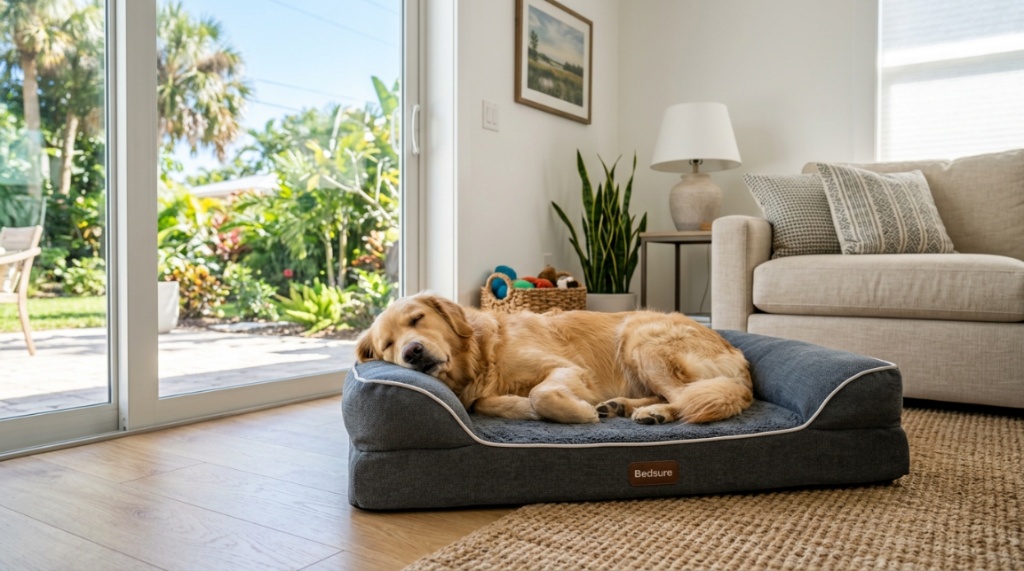
Living in Florida comes with its own set of challenges for pet owners. Between the humidity, afternoon thunderstorms, and the ever-present threat of fleas and ticks, keeping your dog comfortable can feel like a constant battle. If your senior dog or active breed is struggling with joint pain, you already know that a standard dog bed just doesn’t cut it. The combination of moisture and inadequate support creates a perfect storm for discomfort, odors, and even skin infections. That’s why finding the right waterproof orthopedic dog beds florida residents trust is about more than just luxury—it’s about health, hygiene, and practical daily living.
This guide breaks down exactly what to look for, what to avoid, and how to match a bed to your dog’s specific needs in the Sunshine State. We’ll cover materials that actually hold up in high humidity, how to evaluate support for arthritic joints, and why “waterproof” doesn’t always mean what you think it does.
Why Florida’s Climate Demands Specific Bed Features
Florida’s subtropical environment is hard on pet products. The high humidity doesn’t just make your dog sweat; it creates a breeding ground for mold, mildew, and bacteria inside bedding. A standard plush bed will absorb moisture from the air, spills, and muddy paws, leading to a musty smell that is difficult to remove.
Furthermore, the heat means your dog will likely seek out cool surfaces. An orthopedic bed with a heat-retaining memory foam core might actually make your dog uncomfortable. You need a bed that addresses joint support while also managing temperature and moisture. This is where the “waterproof” aspect becomes critical, not just for accidents from incontinent older dogs, but for everyday Florida life.
The Difference Between Water-Resistant and Waterproof
Many manufacturers use these terms interchangeably, but they are very different. A water-resistant cover will repel light moisture for a short time but will eventually soak through if liquid sits on the surface. A waterproof cover, usually made with a TPU (thermoplastic polyurethane) backing or a similar laminate, creates a true barrier that prevents liquid from reaching the foam core.
When shopping in Florida, always look for the term “waterproof” over “water-resistant.” If the listing doesn’t specify a waterproof membrane or backing, assume it will fail during the first accident or heavy drool session.
Evaluating Orthopedic Support: What Actually Works
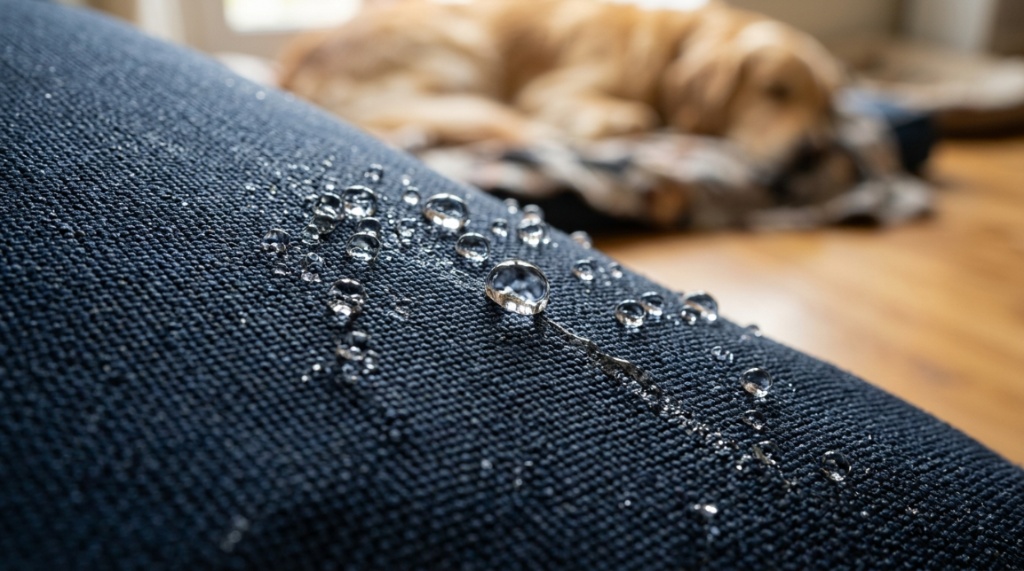
Not all orthopedic beds are created equal. The term “orthopedic” is often used as a marketing buzzword. To get real joint relief for your dog, you need to look at the specific materials inside the bed.
High-density foam is the gold standard. It should not compress easily when you press down on it. If the foam springs back instantly and feels like a standard mattress, it likely won’t provide the pressure relief needed for dogs with arthritis or hip dysplasia.
Understanding Foam Density and Thickness
Density refers to the weight of the foam, while thickness refers to the height. A bed that is 4 inches thick but made of low-density foam will “bottom out” quickly, offering no support. Look for a bed with at least 4 inches of high-density foam (typically 2.5 to 3 pounds per cubic foot or higher).
For larger breeds over 50 pounds, a thicker bed (5–7 inches) is often necessary to prevent the dog’s hips from hitting the floor. For smaller dogs, a 3–4 inch profile is usually sufficient. The key is to ensure the foam supports the dog’s weight evenly, allowing the joints to rest in a neutral position,To keep your pet comfortable year-round, check out our guide on the Best Dog Bed for Small and Large Dogs.
Memory Foam vs. Egg Crate Foam
Memory foam is superior for orthopedic support because it molds to the dog’s body shape using body heat. However, in Florida’s heat, this can be a downside. Some memory foams retain heat, making the bed uncomfortably warm.
Egg crate foam (convoluted foam) is cheaper but offers minimal support. It is essentially a cushion, not an orthopedic solution. If you are dealing with a senior dog, skip the egg crate and invest in high-quality memory foam or a specialized orthopedic foam that is designed to remain cooler.
Key Materials to Look For in a Waterproof Bed
The cover material is your first line of defense against Florida’s moisture. You need something that is durable, easy to clean, and comfortable for your dog to lie on.
Nylon and Polyester Covers
These synthetic fabrics are common because they are durable and dry quickly. Look for a cover with a waterproof backing layer. These are often described as “hospital grade” or “incontinence proof.” They are easy to wipe down and can usually be hosed off outside.
One downside is that these materials can be noisy. If your dog is easily startled or has anxiety, the crinkle sound of a cheap nylon cover might deter them from using the bed. Test the fabric if possible, or look for a “quiet” waterproof fabric.
Removable and Machine Washable Covers
This is non-negotiable. Even with a waterproof liner, you will need to wash the cover regularly to remove dirt, dander, and odors. A zippered, removable cover that is machine washable makes maintenance easy. Look for covers that are labeled as “washable” rather than “spot clean only.” Spot cleaning will not be sufficient in a humid climate where bacteria multiply quickly.
Cooling Features: A Necessity, Not a Luxury
While you are focused on waterproofing, you also need to consider temperature regulation. A dog lying on a heat-retaining foam bed in a Florida summer may choose the tile floor instead, negating the benefits of the orthopedic support.
Look for beds that combine orthopedic foam with a cooling gel layer or a breathable mesh cover. Some high-end beds use phase-change materials (PCM) that absorb and release heat to maintain a neutral temperature. While these are more expensive, they significantly improve comfort for dogs in warm climates.
If you are on a budget, look for a bed with a breathable cotton or mesh cover that allows air circulation, even if it doesn’t have a specific “cooling gel” insert.
Common Mistakes Florida Dog Owners Make
Many pet owners purchase a bed that fails within a few months due to avoidable errors. Here are the most common pitfalls:
- Ignoring the Zipper Quality: The zipper is the weakest point on any waterproof bed. If the zipper is exposed, it can scratch your dog and allow water to seep through the seam. Look for zippers that are covered by a flap or are located on the underside of the bed.
- Choosing the Wrong Size: A bed that is too small forces the dog to curl up, which puts pressure on the joints. Measure your dog from nose to tail base and add 6–10 inches to find the correct bed length.
- Skipping the Waterproof Liner: Even if the cover is waterproof, accidents can happen. A separate waterproof liner under the cover adds an extra layer of protection for the foam core, which is the most expensive part of the bed to replace.
- Assuming All Foam is the Same: As mentioned, “orthopedic” is not a regulated term. Always read the specifications to confirm the foam density and type,
To keep your pet comfortable year-round, check out our guide on the Best Dog Bed for Small and Large Dogs.
How to Maintain Your Bed for Longevity
Proper maintenance will extend the life of your investment significantly. In Florida, the humidity means you cannot just “air out” a bed to dry it. You must actively dry it.
- Strip the Bed Weekly: Remove the cover and wash it in cold water with a pet-safe detergent. Avoid fabric softeners, as they can break down the waterproof membrane over time.
- Dry Thoroughly: Tumble dry on low heat or air dry completely before putting the cover back on. Placing a damp cover over the foam traps moisture and leads to mildew growth inside the foam.
- Spot Clean the Foam: If liquid reaches the foam, blot it immediately with a towel. Do not soak the foam in water. Use a mild disinfectant spray and allow it to dry completely in a well-ventilated area.
- Use a Protective Topper: Consider using a washable fleece or cotton topper over the waterproof cover. This adds comfort for your dog and absorbs normal body oils, keeping the waterproof cover cleaner for longer.
Matching the Bed to Your Dog’s Lifestyle
Your dog’s age and activity level should dictate your choice. A young, active dog that spends a lot of time outdoors will need a different bed than a 12-year-old arthritic Chihuahua.
For Senior Dogs with Mobility Issues
Look for beds with a low profile or a “bolster” design that provides a headrest. However, ensure the entrance is low enough for the dog to step over without straining. Some owners prefer a flat, open bed for seniors because it is easier to access than a donut-style bed with high walls.
For Dogs Prone to Accidents
If your dog has incontinence issues, you need a bed with a fully sealed foam core. Some manufacturers offer “hospital grade” beds where the foam itself is encased in a waterproof membrane, not just the cover. This is the safest option to prevent odors from penetrating the foam.
Frequently Asked Questions
How long do waterproof orthopedic dog beds last?
With proper care, a high-quality bed should last 3 to 5 years. The foam core should maintain its shape, and the waterproof cover should remain intact. If you notice the foam sagging or the cover peeling, it is time to replace the bed.
Can I put a waterproof orthopedic dog bed in the dryer?
You can dry the removable cover on a low heat setting, but you should never put the foam core in the dryer. High heat will break down the foam structure and ruin its supportive properties. Air drying the foam is always the safest method.
Are cooling gel beds safe for dogs?
Yes, most cooling gels are non-toxic and safe. However, if your dog is a chewer, you should avoid beds with gel packs that can be punctured. Look for beds where the cooling layer is sewn securely inside a durable, chew-resistant cover.
Do orthopedic beds help with hip dysplasia?
Orthopedic beds can help manage the symptoms of hip dysplasia by providing pressure relief and reducing pain on hard surfaces. They do not cure the condition, but they significantly improve sleep quality and reduce stiffness upon waking.
What is the best thickness for a large dog?
For dogs over 70 pounds, look for a bed that is at least 5 inches thick. This ensures the dog’s body weight is distributed evenly and the joints do not hit the floor. Heavier breeds may require a 6 or 7-inch profile for optimal support.
Conclusion
Choosing the right bed for your Florida dog requires balancing joint support with climate resilience. Prioritize high-density foam for pressure relief, a true waterproof barrier for hygiene, and breathable materials for temperature control. Avoid cheap “egg crate” foams and flimsy water-resistant covers that will fail under the demands of daily Florida life. By focusing on the specific materials and construction details outlined here, you can find a bed that keeps your furry friend comfortable, dry, and supported for years to come. Measure your dog, assess their mobility needs, and invest in quality your dog’s joints will thank you.