
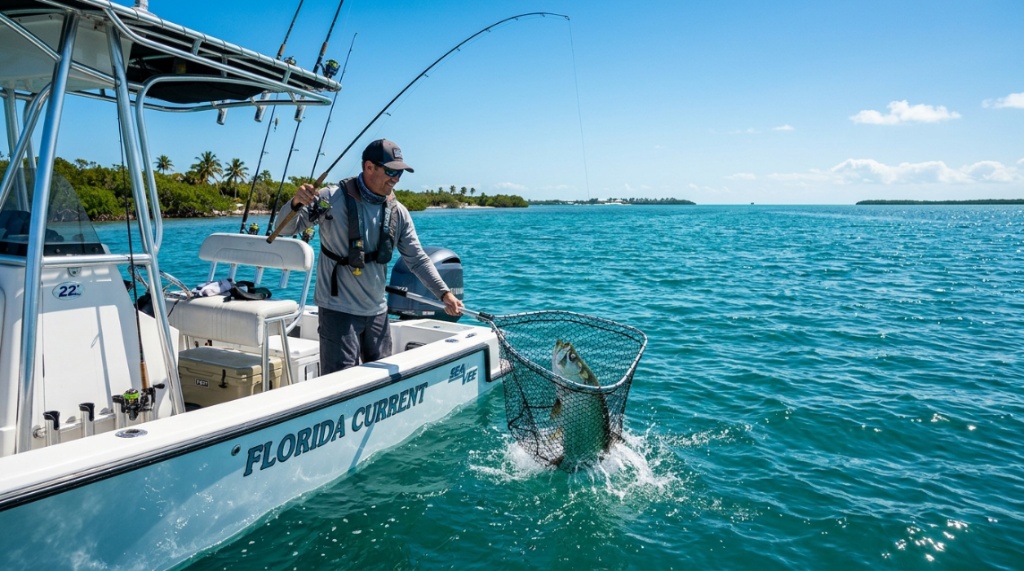
You just brought home a stunning new marine angelfish from the local fish store in Miami. The bag floats in your tank to acclimate, and now it’s time to transfer your new pet. You reach for a net, and suddenly the fish is stressed, the net is too small, and the rigid handle snaps. If you live in Florida, finding the best fish net Florida aquarium conditions demand is not about convenience—it’s about the survival of your aquatic life. The unique combination of high temperatures, hard water, diverse species (from freshwater cichlids to saltwater tangs), and active breeding communities makes net selection a critical decision. This guide walks you through exactly what to look for so you never have to chase a stressed fish around your tank again.
What Makes a Fish Net “Best” for Florida Aquariums?
Florida’s Unique Environmental Demands
Florida’s tropical and subtropical climate means indoor aquarium temperatures often hover between 78–82°F year-round. This heat accelerates wear on materials like cheap plastics and glues. The best fish net Florida aquarists rely on must use marine-grade stainless steel frames and epoxy-coated handles that resist corrosion in high-humidity environments. Standard nets sold in big-box stores often degrade within months under these conditions, leaving your tank contaminated with rust particles.
Tank Types Fish Net Florida Keepers Need
Florida hobbyists frequently maintain large cichlid tanks, reef systems, and planted freshwater aquariums. Each setup demands a different net. For aggressive cichlids, you need a deep net with a rigid frame to prevent escapes. For delicate reef fish, ultra-soft micron mesh is non-negotiable. The best nets accommodate both extremes without requiring multiple purchases.
Species Variation Across the State
From the Apistogramma dwarfs bred in Tampa to the Clownfish kept in coastal communities, Florida fish stores offer immense variety. A net that works for a 1-inch neon tetra will frustrate you when netting a 6-inch Oscar. Versatility matters, but so does precision.
How Does Mesh Material Affect Fish Safety and Net Durability?
Soft Micron Mesh vs. Standard Nylon
Ultra-fine micron mesh (around 100–200 microns) is the gold standard for delicate fish like discus, angelfish, and saltwater wrasses. These meshes prevent fin fraying and scale damage. Standard nylon netting is harsher and can cause “net burn” on sensitive skin. If you keep any fish with long flowing fins or a protective slime coat, invest in soft mesh. It costs more but eliminates injuries that lead to infections.
Knotless Design for Gill Protection
Cheap nets have knots that snag gill plates and catch on decorations. The best fish net Florida suppliers offer features knotless mesh construction. This smooth weave allows the net to glide past a fish’s body without abrasion. For saltwater species like tangs and triggers, which are prone to stress-induced illness, knotless mesh is a lifesaver.
Mesh Color and Visibility
White or clear mesh nets blend into the tank water, making fish less likely to panic. Black mesh is more visible to humans but can appear as a threatening dark shadow to fish. For Florida reef tanks with bright lighting, choose a net that minimizes visual disturbance.
For a deeper dive on specific brand recommendations and user reviews from local Florida hobbyists, check out this comprehensive resource best fish net Florida.
Which Net Size and Shape Works Best for Florida’s Common Aquariums?
Rectangular Nets for Large Tanks
For standard 55-gallon to 150-gallon tanks, a rectangular net with a width of 6 to 8 inches and a depth of at least 5 inches gives you the surface area needed to catch fast-moving fish. The flat bottom allows you to corner fish without flipping the net. Florida cichlid keepers often prefer this shape because it mimics a barrier the fish can be guided into.
Deep Cup Nets for Tall Tanks
Many Floridians keep tall show tanks (24 inches or deeper). A rectangular net is useless here because the fish can swim over the rim. A deep cup net, often round with a long conical bag, allows you to reach the bottom and trap fish vertically. These nets are perfect for angelfish and other tall-bodied species common in Florida homes.
Small Fine-Mesh Nets for Nano Tanks
With the rise of nano reef tanks in apartments across Orlando and Jacksonville, tiny nets (2–3 inch diameter) are essential. They prevent disturbing aquascaping and allow precise movement around corals. Avoid using a large net in a small tank—it displaces too much water and stresses fish.
Can Handle Material and Frame Construction Prevent Rust in Florida’s Humidity?
Stainless Steel vs. Coated Wire
Florida’s ambient humidity, especially during summer months, causes rapid oxidation in standard steel. Stainless steel (304 or 316 grade) is the only reliable choice for long-term use. Coated wire handles eventually chip, exposing raw metal to saltwater or high-humidity air. If you visit a Florida fish store, ask explicitly for stainless steel frames.
Composite or Nylon Handles for Comfort
Some premium nets now use fiberglass composite or solid nylon handles. These materials never rust, are lightweight, and provide a comfortable grip even when wet. They also feel warmer in the hand compared to cold metal, reducing shock when you grip them. These handles are excellent for long acclimation sessions and breeding projects.
Welded Joints vs. Crimped Joints
Cheap nets use crimped connections that loosen over time. Invest in a net where the hoop is welded to the handle. Welded joints remain rigid and reliable. If you are handling aggressive or large fish, a weak joint can break mid-net, leading to equipment loss and potential tank disasters.
How Do You Choose a Net for Saltwater vs. Freshwater Systems in Florida?
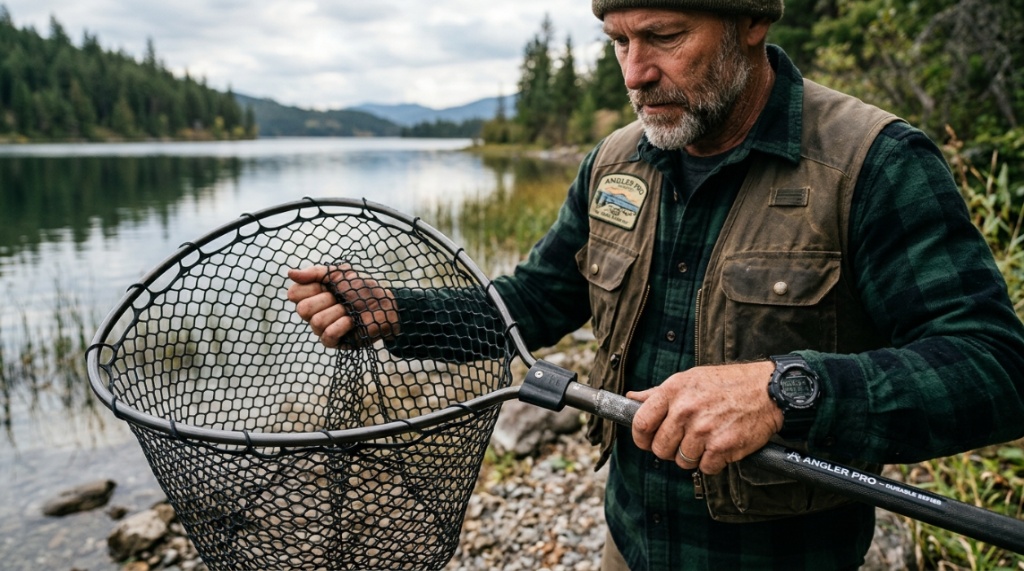
Saltwater Corals and Invertebrates
For reef tanks, the net must be reserved strictly for fish. Never use the same net for corals or cleaning. Choose a separate, dedicated fish net that is rinsed in freshwater and dried after each use. Corals and anemones are incredibly sensitive to contaminants. Many Florida reef keepers use a white mesh net specifically for fish, while using a fine-mesh breeder net for corals.
Freshwater Plants and Shrimp
If you have a planted tank with shrimp, the net mesh must be fine enough (under 500 microns) to prevent shrimp from escaping. Standard fish nets allow baby shrimp to swim right through. The best fish net Florida shrimp breeders use has a closed-cell foam rim that prevents shrimp from clinging to the edge and jumping out.
Brackish Systems in Florida
Brackish tanks are common in Florida for species like mollies, scats, and monos. These environments require nets that are resistant to both salt and fluctuating pH. Stick to stainless steel frames and avoid any painted components that could leach chemicals into the brackish water.
What Features Prevent Fish Stress During Netting in Warm Florida Waters?
Soft, Padded Rims
Fish that hit the rim of a hard plastic net can suffer scale loss. The best nets have a soft, padded rim (often made of rubber or silicone). This cushioning protects the fish and allows you to push the net against the tank glass without scraping the silicone seal or disturbing the algae film.
Long Handles for Safety
Hands in the water stress fish. A handle length of 12 to 18 inches allows you to keep your arm outside the tank while reaching all corners. For deep Florida show tanks, a 24-inch handle is better. This reduces your impact on the water surface and minimizes vibrations that spook fish,Before heading out on the water, having the right gear extends far beyond just the net. If you are setting up your equipment without breaking the bank, make sure to check out our guide on the Complete Fishing Tool Kit on a Budget to ensure you are fully prepared for your next catch.
Quick-Drain Mesh
Some premium nets feature mesh that drains water rapidly, reducing the time fish spend out of the water. This is critical in Florida’s hot climate where air temperatures can be high. Less time out of water means less thermal shock and less stress on the fish’s gills.
When Should You Replace Your Fish Net in Florida?
Signs of Frame Oxidation
Even stainless steel can pit over time in extreme conditions. Check the frame monthly for any rough spots or discoloration. If you see rust, discard the net immediately. Rust particles can kill invertebrates and damage gills. A net is a consumable item, not a lifetime investment.
Mesh Tears or Fraying
Inspect the mesh at the seam where it attaches to the frame. This is the weakest point. If you notice any tears or fraying, replace the net. A torn mesh can trap a fish’s fin, causing serious injury. In Florida’s active breeding community, spare nets are always on hand.
Handle Looseness
If the handle starts to wiggle or turn independently of the hoop, the internal bond is failing. This usually happens because of repeated thermal expansion (hot days, cooler nights). Replace the net before it fails during an emergency move or tank transfer.
How Do You Properly Clean and Store a Fish Net in Florida?
Immediate Rinsing After Use
Always rinse the net in dechlorinated freshwater immediately after use. Saltwater and organic debris accelerate material breakdown. For saltwater nets, rinse thoroughly and then soak in a vinegar solution (1:10 dilution) once a week to remove calcium deposits.
Air Drying in a Shaded Area
Never store a wet net in a closed drawer or bucket. Florida’s humidity will cause mold and mildew growth on the mesh. Hang the net in a ventilated, shaded area (direct sunlight degrades nylon mesh). A dedicated net drying rack near the tank area is ideal.
Disinfecting Between Tanks
If you maintain multiple tanks, disinfect nets between uses to prevent cross-contamination. Use a mild bleach solution (1 tablespoon per gallon) for 5 minutes, then rinse thoroughly with dechlorinated water. Quarantine nets used for sick fish separately.
Which Fish Net Brands Do Florida Aquarists Trust?
Premium and Specialty Brands
Brands like Eshopps, Seachem, and Penn Plax offer models designed specifically for the demands of warm-water aquariums. Eshopps nets feature fine mesh and padded rims. Seachem nets offer stainless frames at competitive prices. Many Florida retailers stock these brands because they hold up to local conditions.
Local Florida Fish Store Recommendations
Ask your local independent fish store what they use for their own display tanks. In cities like Tampa, Orlando, and Fort Lauderdale, store owners have direct experience with specific brands. They can also tell you which nets they have seen fail. This local knowledge is invaluable.
Avoiding Generic Imports
Extremely cheap nets (under $5) found on online marketplaces are often made of low-grade metals that rust quickly. They may also have sharp edges that injure fish. For the health of your aquarium, avoid these regardless of price. A good net costs $15–$30 and lasts years.
Can You Use a Fishing Net for Your Aquarium in Florida?
Differences in Mesh and Design
Fishing nets are designed to hold heavy fish for short periods and often have large, rough mesh that damages aquarium fish. They also lack padded rims and knotless construction. Never use a fishing net in your aquarium. The risk of injury and contamination is too high.
Rigidity and Maneuverability
Fishing nets are stiff and unwieldy inside a glass box. Aquarium nets are engineered for precise, gentle movements. Using the wrong tool guarantees a stressful experience for both you and the fish. Invest in the proper tool for the job.
Frequently Asked Questions
What size fish net do I need for a standard 55-gallon tank?
For a 55-gallon tank (48 inches long), a net with a 6-inch wide by 5-inch deep rectangular opening is ideal. This size provides good coverage for mid-sized fish without being too cumbersome to maneuver.
Is a fine-mesh net always better than a coarse-mesh net?
Not always. Fine-mesh nets are best for delicate fish and small species. Coarse-mesh nets drain water faster and are suitable for robust fish like goldfish or small cichlids. Choose based on the most sensitive fish in your tank.
How often should I replace my aquarium fish net?
Replace your net every 12 to 18 months under normal use. If you use it daily or handle aggressive fish, replace it every 6 months. Always replace immediately if you see rust, tears, or loose handles.
Can I use a fish net for both my freshwater and saltwater tanks?
It is not recommended. Using the same net can transfer parasites, bacteria, or salt residue between systems. Dedicate separate nets for freshwater and saltwater to prevent cross-contamination and maintain stable water chemistry.
Why does my fish net rust so quickly in Florida?
Florida’s high ambient humidity and warm temperatures accelerate oxidation. Non-stainless metals corrode rapidly. Choose 304-grade stainless steel frames and rinse nets after every use to maximize lifespan.
Should I buy a net with a long or short handle?
For tanks 18 inches deep or less, a 12-inch handle is sufficient. For deeper tanks, choose a 16- to 20-inch handle. Longer handles reduce arm fatigue and keep your hands further from the water, which reduces fish stress.
Do colored nets scare fish?
Brightly colored nets (red, orange, yellow) can alarm fish, especially in clear water. White, clear, or neutral-colored nets blend into the environment and cause less panic. Stick to neutral tones for daily use.
Make Your Next Net Your Last Net
Choosing the best fish net Florida aquarium conditions demand is about matching materials, mesh, and size to your specific setup. Prioritize stainless steel frames and knotless, soft micron mesh to protect your fish from injury. Invest in the right handle length for your tank depth, and always rinse and dry your net after every use. Your fish will be calmer during transfers, your water will stay cleaner, and your net will last through Florida’s most humid summers. Do not settle for a cheap net that jeopardizes your aquatic community. Visit a local fish store or trusted online retailer today, and buy the net that gives your fish the safety they deserve.