
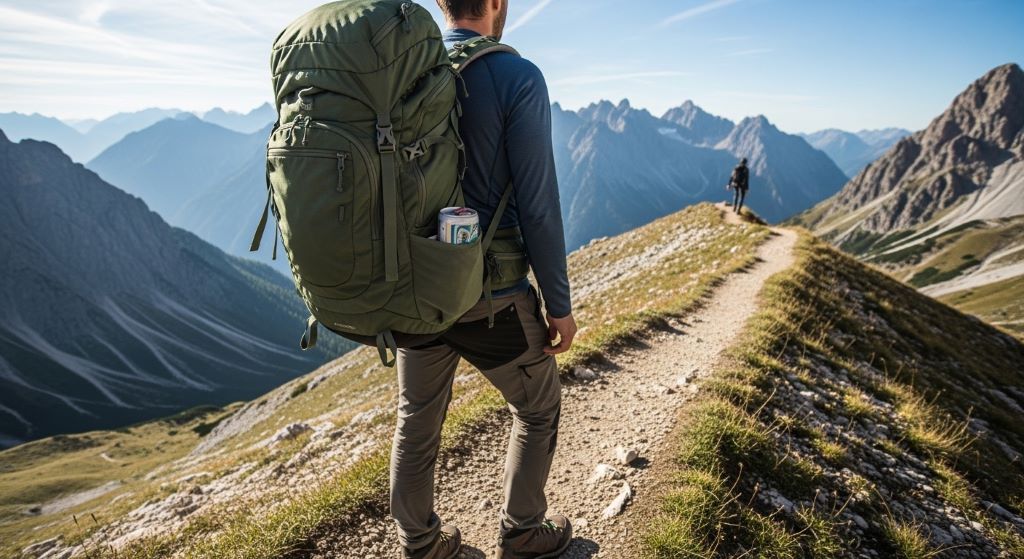
Finding a good hiking backpack does not have to be expensive. Many people assume that quality gear always comes with a high price tag. However, that is simply not true. With the right knowledge and a little patience, you can find a backpack that holds up through years of outdoor adventures without draining your wallet.
The key is knowing what to look for. A backpack that lasts is built with strong materials, thoughtful design, and reliable hardware. These qualities do not always require a premium price. Therefore, this guide will walk you through everything you need to know before making your purchase. Whether you are a casual day hiker or a serious trail enthusiast, the right bag is out there for you.
Why the Right Backpack Makes a Difference
A backpack is more than a bag. It carries your water, your food, your safety gear, and sometimes your shelter. A poorly made pack can cause back pain, fall apart on the trail, or fail to protect your belongings in bad weather. These problems can turn a great adventure into a frustrating one.
On the other hand, a well-chosen backpack becomes a trusted companion. It fits your body properly, distributes weight evenly, and keeps everything organized. Additionally, a durable backpack will save you money in the long run because you will not need to replace it every season.
Investing even a modest amount in the right pack pays off quickly. The goal is to find that balance between affordability and durability. That balance is absolutely achievable.
Understand What You Actually Need
Before you start shopping, take a moment to think about your hiking habits. This step will save you time and prevent you from spending money on features you will never use.
Ask yourself these questions. How long are your typical hikes? Do you go out for a few hours or do you camp overnight? How much gear do you usually carry? Do you hike in hot, dry climates or in rainy, unpredictable weather?
Your answers will shape the type of pack you need. A day hiker needs something light and compact, usually between 20 and 30 liters. A backpacker heading out for multiple days needs a larger pack, typically between 40 and 65 liters. Furthermore, a hiker in wet climates should prioritize waterproofing, while a desert hiker may care more about ventilation.
Getting clear on your needs prevents you from overspending on features that do not matter for your style of hiking.
Key Features to Look for in a Durable Backpack
Not all backpacks are created equal. Certain features separate a pack that lasts from one that falls apart after a few trips. Here is what to pay close attention to.
Materials and Construction
The fabric of a backpack matters enormously. Look for packs made from nylon or polyester with a high denier rating. Denier refers to the thickness of the fabric threads. A higher denier means a tougher, more abrasion-resistant fabric. For hiking, anything above 200 denier is a good starting point.
Additionally, check the stitching at stress points like shoulder straps and zipper attachments. Double stitching or reinforced seams in these areas is a strong sign of quality construction. Avoid packs where the stitching looks loose or uneven right out of the box.
Zippers and Buckles
Zippers fail more often than any other part of a backpack. Therefore, look for packs with YKK zippers, which are widely considered the most reliable in the industry. If a manufacturer uses YKK zippers even on a budget-friendly model, that is a great sign.
Buckles should click firmly and feel solid in your hands. Cheap buckles crack under pressure or in cold temperatures. A broken buckle on the trail is a serious inconvenience. Take a few seconds to test every buckle before committing to a purchase.
Shoulder Straps and Back Support
Comfort is a form of durability. A backpack that hurts your shoulders or strains your back is one you will stop using. Therefore, look for padded shoulder straps that are contoured to your body. Many quality packs also include a padded hip belt, which transfers weight from your shoulders to your hips for greater comfort on long hikes.
Adjustable torso length is another feature worth seeking. It allows you to customize the fit based on your body shape. Packs with poor back support may be cheaper upfront, but they will cost you in comfort and potential injury.
Capacity and Compartments
Organization matters on the trail. A well-designed pack has multiple compartments for easy access to your gear. Look for a main compartment with enough room for your essentials, a separate top lid pocket for items you reach for frequently, and side pockets for water bottles.
Hip belt pockets are a bonus for storing snacks, a phone, or small items you want to grab on the go. However, do not pay extra for compartments you will never use. Simplicity is often better for shorter hikes.
Smart Ways to Shop Without Overspending
Finding low cost hiking gear requires strategy. Prices can vary widely for nearly identical products, so where and when you shop makes a real difference.
Shop at the End of the Season
Outdoor retailers discount heavily at the end of hiking and camping season. Late summer and early autumn are great times to find last year’s models at significant discounts. The gear is just as good. Only the product year has changed.
Compare Prices Across Multiple Retailers
Never buy from the first store you visit. Use price comparison websites and check multiple retailers before making a decision. Many stores price-match competitors, so it is worth asking even if no discount is advertised. Additionally, signing up for store newsletters often unlocks exclusive deals and early sale access.
Consider Previous-Year Models
Outdoor gear brands release updated versions of their packs regularly. However, the updates are usually minor. A pack from two or three years ago often has the same core materials and design as the newest version. Buying a previous-year model is one of the smartest ways to access travel backpack deals without sacrificing quality.
Explore Reputable Budget Brands
Several outdoor brands offer excellent quality at lower price points. Osprey, REI Co-op, Deuter, and Kelty all have budget-friendly lines that perform well. Do not assume that a lower price means lower quality. Some of the most durable packs on the market are made by brands that focus specifically on value.
Read Reviews from Real Hikers
Marketing photos tell you very little. Reviews from actual hikers tell you everything. Look for feedback that specifically mentions durability over time. A pack with hundreds of positive reviews from people who have used it for years is a much safer buy than a pack with flashy advertising and few genuine testimonials.
What to Avoid When Buying a Budget Backpack
Saving money is the goal, but some shortcuts will cost you more in the long run. Here are the most common mistakes to avoid.
- Avoid packs made entirely from thin, flimsy fabric. Even at a low price, a fabric that tears easily is not worth your money.
- Do not ignore the weight of the pack itself. A very heavy pack will wear you out faster, especially on longer hikes.
- Skip packs with no load adjustment system if you plan to carry more than 20 pounds. Without proper support, you risk back and shoulder strain.
- Avoid buying a pack that has no return or warranty policy. Reputable brands stand behind their products. A company that offers no warranty may not believe in what they are selling.
- Do not choose based on color or aesthetics alone. Function must come first. A beautiful pack that does not fit or falls apart is a poor investment.
How to Test a Backpack Before You Buy
If you are shopping in a physical store, take full advantage of the opportunity to try the pack on. Load it with weight similar to what you typically carry. Walk around the store and pay attention to how it feels on your shoulders and back.
Check that the hip belt sits correctly on your hips, not your waist. The shoulder straps should curve naturally around your shoulders without any gaps. The back panel should press evenly against your back without creating pressure points.
If you are shopping online, check the return policy carefully. A store that allows free returns makes it easier to try a pack at home and return it if it does not fit properly. This is particularly important for larger packs meant for multi-day trips.
Caring for Your Backpack to Make It Last Longer
Once you have found the right pack, taking care of it will extend its life significantly. A well-maintained backpack can last a decade or more.
Clean your pack regularly. Remove dirt and debris after every hike. Use mild soap and warm water. Avoid putting your pack in a washing machine, as this can damage the fabric and hardware.
Store it in a cool, dry place away from direct sunlight. UV rays break down fabric over time. When not in use, store the pack loosely rather than compressed to preserve the foam in the straps and back panel.
Fix small problems early. A tiny tear in the fabric or a slightly bent zipper pull is easy to repair if you address it right away. Additionally, many outdoor stores offer gear repair services at low cost. This is far cheaper than buying a new pack.
Conclusion
Finding an affordable hiking backpack that truly lasts is completely within reach. The key is to approach your search with a clear plan. Know your hiking style, understand the features that matter most, and shop strategically to find the best value.
Focus on strong materials, reliable zippers, and proper back support. Take your time comparing options and reading real reviews. Look for low cost hiking gear at end-of-season sales, and consider previous-year models from trusted brands. Once you have your pack, take care of it, and it will take care of you on every trail ahead.
A great hiking backpack does not need to be expensive. It just needs to be right for you.
Frequently Asked Questions
How much should I spend on a good hiking backpack?
A reliable hiking backpack for day hikes typically costs between $40 and $100. For multi-day trips, expect to spend between $80 and $180. You do not need to spend more than that to get a pack that is durable and comfortable.
What is the best backpack size for a beginner hiker?
A 30 to 40 liter pack is ideal for most beginners. It is large enough to carry essentials for a full day hike but compact enough to stay manageable. As your hiking experience grows, you can upgrade to a larger size if needed.
Are budget hiking backpacks really durable?
Yes, many budget-friendly packs are built to last. Brands like Kelty, REI Co-op, and Deuter offer well-constructed packs at lower price points. The key is to check materials, stitching, and zipper quality before buying.
Where is the best place to find travel backpack deals?
End-of-season sales at outdoor retailers, online marketplaces, and manufacturer websites are all great sources. Signing up for brand newsletters and following outdoor gear forums can also alert you to flash sales and limited-time offers.
How do I know if a hiking backpack fits correctly?
A well-fitting pack should sit close to your back with the hip belt resting on your hip bones. Shoulder straps should curve around your shoulders without gaps, and the top of the pack should not extend more than a few inches above your head. Always try a pack with weight inside before committing to a purchase.
Related Topics:
Gift Ideas for Kids Who Like Space: Inspiring the Next Generation of Astronauts
How to Save on Shopping: Know the Hidden Tricks