
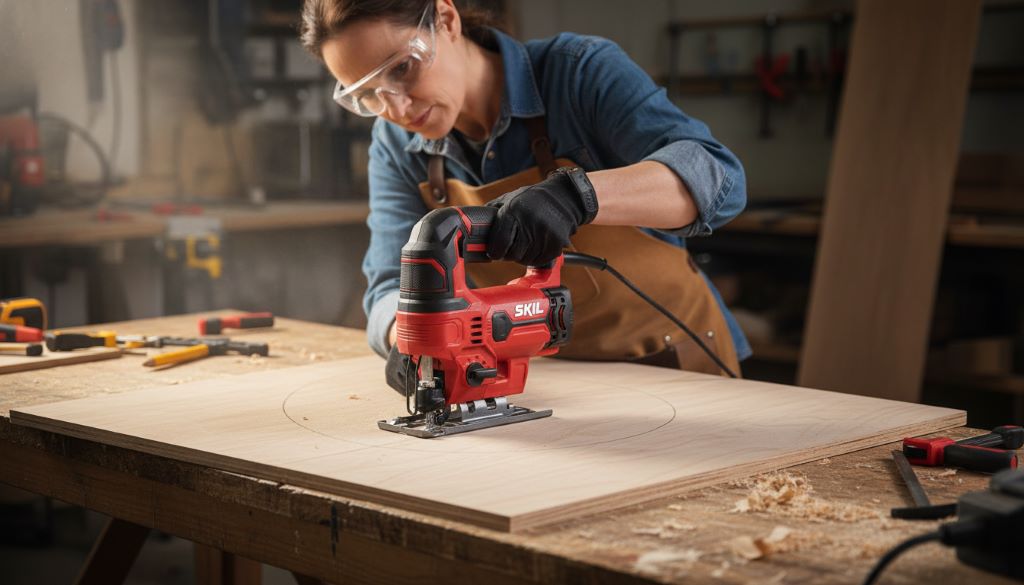
Imagine you are halfway through a detailed curved cut on a beautiful piece of hardwood. Suddenly, your tool loses power or a cord snags and pulls everything off track. Frustrating moments like these make many woodworkers pause and rethink their setup. Jig saws excel at intricate curves, scroll work, and plunge cuts that other saws simply cannot handle. Today, the biggest choice comes down to corded or cordless models.
The cordless power tools market continues to expand rapidly. Research from Grand View Research shows it will grow at a compound annual rate of 10.4% from 2025 to 2033. Yet corded tools still hold strong for many professionals who need reliable performance all day long. For example, if consistent power matters most to you, the benefits of corded jig saw stand out clearly, delivering steady output without interruptions.
This decision affects every project you tackle. Corded models provide unlimited runtime, while cordless ones offer freedom to move anywhere. Both types have improved greatly in recent years, so the right choice depends on your specific needs.
What Makes a Jig Saw Special
Jig saws cut shapes and patterns that circular saws or table saws struggle to achieve. They handle tight radii, interior cutouts, and detailed designs with ease. Woodworkers, contractors, and DIY enthusiasts reach for them constantly.
These tools use a thin blade that moves up and down quickly. Orbital action adds a forward swing for faster cuts in softer materials. Variable speed controls let you match the pace to the job. Most models now include tool-free blade changes and dust blowers for clear sightlines.
Modern jig saws work on wood, metal, plastic, and even tile with the right blade. They shine in furniture making, cabinetry, and hobby crafts. However, the power source changes how you use them day to day.
Understanding Corded Jig Saws
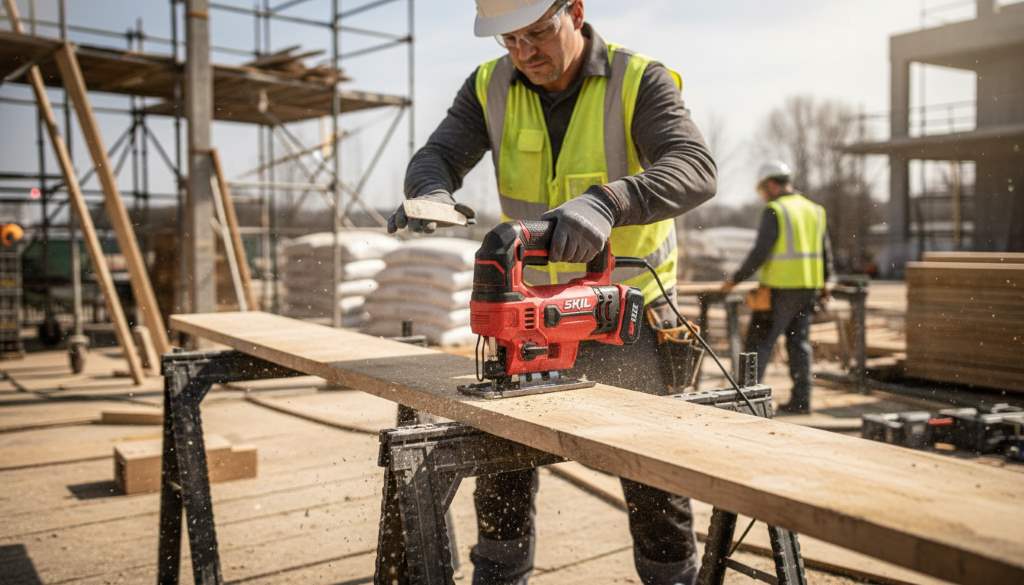
Corded jig saws plug directly into a wall outlet. They draw steady electricity, so performance never drops during long sessions. Professionals often prefer them for workshop settings where outlets stay close.
These models typically range from 5 to 7 amps. Higher amperage means more cutting force through thick or dense materials. You feel the difference when working with hardwoods or repeated heavy cuts.
Manufacturers build corded versions with robust motors that run cooler over time. Heat buildup stays minimal, which extends tool life. Many include bright LED lights, precise bevel adjustments, and strong base plates for stability.
Users appreciate the lighter weight without a battery attached. The balance feels natural in hand, reducing fatigue on extended jobs. Cord management becomes second nature with practice.
Key Advantages of Corded Models
Corded jig saws deliver constant torque from start to finish. Power remains the same whether you cut for five minutes or five hours. This reliability proves invaluable on big projects.
They handle demanding tasks without slowing down. Thick lumber, plywood stacks, or metal sheets pose no problem. The motor pushes through resistance smoothly.
Maintenance stays simple. No batteries to charge or replace means fewer long-term hassles. You grab the tool and get to work immediately.
Many top-rated corded options, like Bosch and Makita barrel-grip designs, earn praise for smooth operation and minimal vibration. Users report cleaner cuts and better control.
Potential Drawbacks of Corded Tools
Cords limit your reach. Extension cords help, but they add clutter and trip hazards. Outdoor jobs or large workspaces require planning.
The cord can snag on edges or materials. Experienced users learn to position it carefully, yet beginners sometimes fight tangles. Safety demands awareness to avoid pulling the plug accidentally.
Weight distribution shifts slightly with the cord attached. Some find it pulls to one side during delicate work. However, most adapt quickly.
Exploring Cordless Jig Saws
Cordless jig saws run on rechargeable lithium-ion batteries. Advances in battery technology have closed the gap with corded performance dramatically. Brushless motors now deliver impressive power in compact packages.
Popular voltages sit at 18V or 20V platforms. Higher voltage batteries provide longer runtime and stronger cutting ability. Many brands share battery systems across their tool lines.
Freedom of movement stands out most. You cut anywhere without searching for outlets. Job sites, rooftops, or remote locations become easy territory.
Modern cordless models match or exceed older corded ones in speed. Strokes per minute often reach 3,000 or more. Quick-charge capabilities keep downtime short.
Standout Benefits of Cordless Options
Portability transforms workflows. Carry the tool effortlessly around large pieces or up ladders. No cords mean fewer interruptions and smoother progress.
Maneuverability improves in tight spaces. Overhead cuts or awkward angles feel natural without a cord pulling back. Creativity flows better when movement stays unrestricted.
Battery platforms add value across tools. One set of batteries powers drills, saws, and lights from the same brand. This ecosystem approach saves storage space and streamlines charging.
Recent models from DeWalt, Milwaukee, and Bosch earn high marks for runtime. Users complete full days of moderate cutting on a single charge with high-capacity batteries.
Limitations to Consider with Cordless
Runtime depends on battery size and workload. Heavy cuts drain power faster. Keeping spare batteries charged prevents delays on big jobs.
Power can dip slightly as batteries deplete. The difference feels small with quality brushless models, but corded still edges out for absolute maximum torque.
Initial investment runs higher due to battery costs. However, shared platforms spread that expense across multiple tools over time.
Weight increases with the battery attached. Top-handle designs balance well, yet extended use might tire arms more than lighter corded versions.
Direct Comparison: Power and Performance
Corded jig saws win on raw sustained power. Amperage translates directly to cutting force without voltage drops. They push through tough materials consistently.
Cordless models have narrowed the gap significantly. High-end 20V brushless versions rival mid-range corded tools in most real-world tasks. Independent tests show similar cut speeds in wood up to 2 inches thick.
For occasional users, the difference barely registers. Professionals cutting dense hardwoods all day still lean toward corded reliability.
Related:
6 Essential affordable tools for a startup
Cordless Impact Driver Performance Breakdown: Milwaukee M18 Fuel Review
Portability and Workspace Freedom
Cordless dominates here. Move freely without dragging cords through sawdust or around obstacles. Outdoor projects or multi-room renovations flow smoothly.
Corded requires outlet access and extension cords. Workshops with power nearby favor them heavily. Mobile work clearly belongs to battery power.
Hybrid approaches work too. Many own both types and choose based on the job location.
Runtime and Reliability Factors
Corded offers unlimited runtime. Plug in and cut as long as needed. This proves essential for production work or large-scale projects.
Cordless runtime varies by battery. Modern 5Ah or 6Ah packs deliver hours of continuous use. Quick chargers restore power fast between tasks.
Reliability favors corded for motor longevity. Batteries eventually degrade, though quality ones last hundreds of cycles.
Weight, Balance, and User Comfort
Corded models often weigh less without batteries. The difference might be 1 to 2 pounds, which matters during long sessions.
Cordless balance shifts forward slightly with battery placement. Top brands design ergonomics well, and rubber grips reduce vibration.
Try both styles in person if possible. Comfort becomes personal preference quickly.
Factors That Influence Your Decision
Project types guide the choice clearly. Detailed hobby work benefits from cordless mobility. Heavy remodeling or shop production favors corded consistency.
Workspace layout matters greatly. Fixed benches with power nearby suit corded tools perfectly. Remote sites or frequent travel demand battery freedom.
Experience level plays a role too. Beginners appreciate cordless simplicity without cord management. Seasoned users handle either style efficiently.
Future tool purchases affect decisions. Investing in a battery ecosystem makes cordless more appealing long-term.
Matching Tools to Common Projects
Intricate scroll work and crafts thrive with cordless freedom. Move around large pieces easily and focus on precision.
Rough cutting lumber for framing works well with corded power. Sustained performance handles repetitive straight or curved cuts.
Kitchen remodels often combine both. Cordless for overhead or tight cabinet work, corded for bench cutting countertops.
Outdoor deck details benefit from no-cord convenience. Rain or remote areas make battery power practical.
Maintenance Tips for Longevity
Clean sawdust from vents regularly. Both types accumulate debris that affects cooling.
Change blades often for best results. Dull blades strain motors and reduce cut quality.
Store corded models with cords coiled loosely. Avoid sharp bends that damage insulation.
Keep cordless batteries at moderate charge levels. Extreme cold or heat shortens lifespan.
Lubricate moving parts occasionally. A drop of oil on the blade holder keeps action smooth.
Safety Practices Every User Should Follow
Wear eye protection always. Flying chips occur frequently with jig saws.
Secure workpieces firmly. Let the tool do the work without forcing it.
Use both hands for control. One on the handle, one guiding the base.
Check blades for damage before starting. Cracked or bent blades can break.
Follow manufacturer guidelines for maximum material thickness. Overloading risks kickback.
Real User Experiences and Insights
Many woodworkers start with corded for reliability. They appreciate never worrying about charge levels during critical cuts.
Others switch to cordless and never look back. The convenience of grabbing and going wins them over quickly.
Professional contractors often carry both. They match the tool to each job’s demands.
Hobbyists lean cordless for garage flexibility. Weekend projects rarely drain modern batteries fully.
Making Your Final Choice
Consider your most common tasks first. Heavy, prolonged cutting points to corded strength.
Value mobility above all? Cordless delivers unmatched freedom.
Budget for future tools matters too. Battery platforms grow with your collection.
Test tools when possible. Hands-on feel reveals preferences quickly.
Think about storage and charging routines. Workshop space influences practical choices.
Conclusion
Both corded and cordless jig saws excel at what they do best. Corded models provide unwavering power and runtime for demanding work. Cordless versions offer freedom and convenience that transform workflows.
Assess your projects, workspace, and habits honestly. The right choice becomes clear when you match features to real needs.
Ready to upgrade your cutting game? Grab the jig saw that fits your style and start creating beautiful curves and details today.
FAQs
Which type delivers more power overall?
Corded jig saws generally edge out in maximum sustained power. They draw directly from outlets without voltage drops. However, top-tier cordless models with brushless motors come extremely close for most tasks.
Do cordless jig saws work well for beginners?
Yes, many beginners prefer cordless for simpler operation. No cords to manage means fewer frustrations while learning technique. The freedom builds confidence quickly.
How long do modern cordless batteries last per charge?
Runtime varies by battery capacity and workload. High-end 5Ah or larger packs often deliver several hours of continuous cutting. Lighter tasks extend that time significantly.
Can cordless models handle thick hardwoods?
Absolutely. Quality 20V brushless cordless jig saws cut through 2-inch hardwoods effectively. Use sharp blades and proper speed settings for best results.
Is one type safer than the other?
Safety depends on proper use, not power source. Both require eye protection, secure workpieces, and attention. Cordless eliminates cord trip hazards, while corded avoids battery-related risks.
References
- Grand View Research: Cordless Power Tools Market Report
https://www.grandviewresearch.com/industry-analysis/cordless-power-tools-market-report - Pro Tool Reviews: Best Jigsaw Reviews
https://www.protoolreviews.com/best-jigsaw-reviews - Bob Vila: The Best Jigsaws of 2025
https://www.bobvila.com/reviews/best-jigsaws-2025 - WOOD Magazine: Shop Tested Cordless Jigsaws
https://www.woodmagazine.com/tool-reviews/jigsaws/cordless-curve-cutters